
This story was first published in digitalhealth.net

Increase in syphilis and gonorrhoea putting pressure on sexual health services
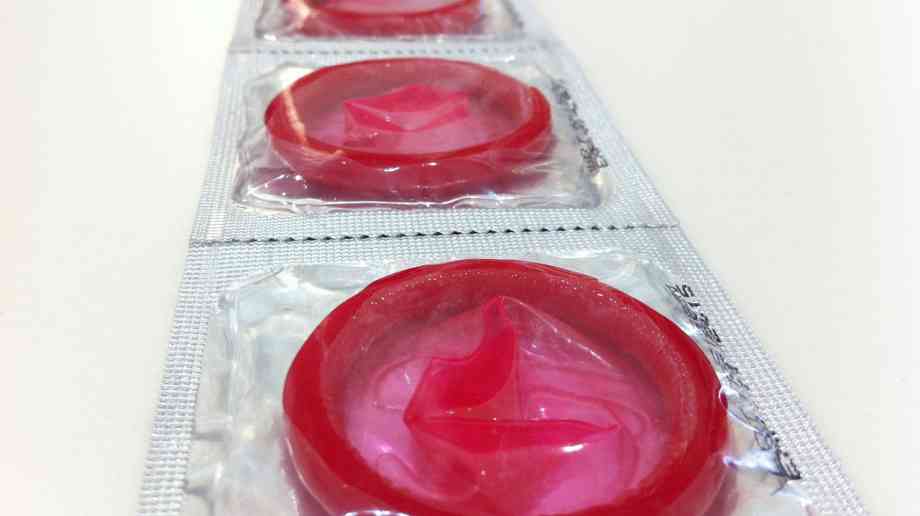
The Local Government Association (LGA) has revealed that more than two thirds of council areas have seen an increase in rates of gonorrhoea and syphilis since 2017.
The LGA has warned that sexual health services are at breaking point and has called on the government to to provide extra funding so local sexual health clinics can meet rising demand and publish a long-term plan to help prevent and treat sexually transmitted infections.
Figures which were collected by the Office of Health Disparities and published as a rate per 1,000 residents, on the LGA’s data platform, LG Inform, show that almost all (97 per cent) council areas have seen an increase in the diagnoses rate of gonorrhoea, with 10 local authorities seeing rates triple.
The highest rate of diagnoses was in the London borough of Lambeth, with 1,221 cases per 100,000 people. The top ten areas were all inner London boroughs.
71 per cent of areas have seen increases in syphilis, the largest increases being seen in Middlesbrough, the Isle of Wight, Darlington and Redcar & Cleveland.
There has also been increases in detections of chlamydia in 36 per cent of local authority areas.
At the same time, demand for sexual health services is growing with nearly 4.5 million consultations carried out in 2022, up by a third since 2013. In 2022 there were 2.2 million diagnostic tests carried out, which is a 13 per cent increase from the year before.
However, the LGA is warning that while demand has risen, funding has fallen.
LGA analysis has found that, between 2015 and 2024, the public health grant received by councils has been reduced in real terms by £880 million (based on 2022/23 prices).
The LGA has called on the government to urgently publish 2024/25 public health grant allocations for councils which provide an increase in funding to cover these pressures and to publish a new 10 Year Sexual and reproductive Health Strategy to help prevent and treat infections in the long term.
Cllr David Fothergill, Chairman of the LGA’s Community Wellbeing Board said:
“These statistics show that local sexual health services are grappling with unprecedented increases in demand. The Government needs to ensure sexual health funding is increased to levels which matches these stark increases.
“Councils have been working hard to encourage more people to access sexual health services and get tested more regularly to help improve detection rates and catch infections early.
“Investment in sexual health services helps to prevent longer term illness and unwanted pregnancies, reducing pressure on our NHS and improving the health of people across our communities.”
Dr Claire Dewsnap, President of the British Association for Sexual Health and HIV (BASHH): “BASHH has repeatedly stressed that, without sufficient investment, sexual health service users will face severe challenges in their ability to access expert, timely care. On top of this, the impact of tendering processes has contributed to a lack of stability in the sexual health sector and a depletion of training which further jeopardises the quality and accessibility of services.
“This data not only demonstrates the deeply concerning trajectory of STI infection growth but also the need for a robust national strategy, backed up by adequate funding. As demand for care increases, without imminent action, we compromise our ability to safeguard the sexual health of our nation.”
Image by Kerry Johnson from Pixabay
Latest News

16/02/2024 - 12:56
Hammersmith and Fulham Council has created a new alliance intended to clean dirty air and improve residents' health.

16/02/2024 - 10:44
Two million more GP appointments a month are being delivered for patients compared to the same month before the pandemic as part of the NHS primary care access recovery plan according to new NHS data.

15/02/2024 - 10:26
The Welsh Government has provided innovation funding of £380,000 to support two projects utilising technology in domiciliary care.

15/02/2024 - 10:13
The new Scottish health secretary has met with frontline staff at Queen Elizabeth University Hospital in Glasgow.

14/02/2024 - 10:27
The North East London NHS Foundation Trust (NELFT) has appointed three new Executive Directors to the Trust Board.
Product Features

UK Building Regulations highlight toxic gas and smoke from layers of paint built up over multiple redecorations as a major cause of permanent ill health or death in a building fire.
Their concern rose with discovery the flame retardant paints most widely used paint along escape routes have been ones which to this day counter-productively use emission of heavy toxic gas to smother flames which rapidly spread along walls if layers of paint delaminate in a fire.
Supplier Profiles

Northwich’s Victoria Infirmary (VIN) Community Diagnostic Centre (CDC) has enabled more patients

Adveco, the commercial hot water specialist, announces the launch of live metering of domestic ho
Latest Features

Sarah Greenslade, public affairs and communications officer at the British Parking Association looks at some of the problems and innovations in healthcare parking

It’s easy to assume that the comms team is there to handle press enquiries and the occasional social media storm – but the reality is that strategic communications can make a measurable impact across the entire organisation, from operational to financial, when done properly


