
This story was first published in digitalhealth.net

East Midlands Ambulance Service electrifies rapid response fleet
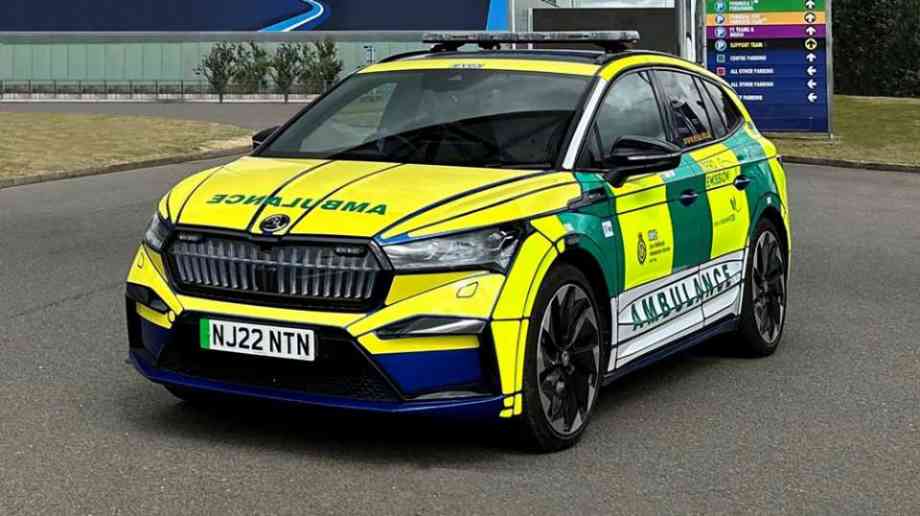
East Midlands Ambulance Service (EMAS) has added two electric Škoda Enyaqs to its rapid response fleet, as it looks to electrify its fleet and work towards net zero.
The vehicles were introduced following a successful trial period to evaluate the car’s suitability for blue-light duty. The fully electric SUVs join the current fleet, which is comprised of Škoda Octavia Scout models. The rapid response fleet is in high demand with the Trust on average receving a 999 call every 25 seconds.
The Enyaq has undergone a comprehensive conversion and features modifications to suit the demands of the rapid response team. The car’s interior space and generous carrying capacity mean it can easily accommodate the equipment, supplies and medication required for first responders. Modifications have been made to the car to optimise range, and include lower consumption LED lighting, reduced-drag light bars and lightweight interior fittings.
Each rapid response vehicle in the East Midlands Ambulance Service covers an average of around 40 miles per day, therefore the Enyaq will be able to effortlessly cover a 12-hour shift without needing to charge.
The ambulance service trialled the Enyaq in late 2022 and invited the ambulance crew to provide their feedback, ensuring they met the needs of the driver. The cars were then fully converted and immediately put into service.
Andy Watson, Fleet Assistant General Manager at East Midlands Ambulance Service, says: “We are always looking to improve the quality of our vehicles for our patients and our staff by constantly listening to valuable feedback. As part of this, we invited colleagues to review the three design prototype models, getting them to share their honest feedback before we proceeded with the conversion of the vehicles. Safety, comfort and practicality are our main priorities for both staff and patients alike.”
Latest News

16/02/2024 - 12:56
Hammersmith and Fulham Council has created a new alliance intended to clean dirty air and improve residents' health.

16/02/2024 - 10:44
Two million more GP appointments a month are being delivered for patients compared to the same month before the pandemic as part of the NHS primary care access recovery plan according to new NHS data.

15/02/2024 - 10:26
The Welsh Government has provided innovation funding of £380,000 to support two projects utilising technology in domiciliary care.

15/02/2024 - 10:13
The new Scottish health secretary has met with frontline staff at Queen Elizabeth University Hospital in Glasgow.

14/02/2024 - 10:27
The North East London NHS Foundation Trust (NELFT) has appointed three new Executive Directors to the Trust Board.
Product Features

UK Building Regulations highlight toxic gas and smoke from layers of paint built up over multiple redecorations as a major cause of permanent ill health or death in a building fire.
Their concern rose with discovery the flame retardant paints most widely used paint along escape routes have been ones which to this day counter-productively use emission of heavy toxic gas to smother flames which rapidly spread along walls if layers of paint delaminate in a fire.
Supplier Profiles

Northwich’s Victoria Infirmary (VIN) Community Diagnostic Centre (CDC) has enabled more patients

Adveco, the commercial hot water specialist, announces the launch of live metering of domestic ho
Latest Features

Sarah Greenslade, public affairs and communications officer at the British Parking Association looks at some of the problems and innovations in healthcare parking

It’s easy to assume that the comms team is there to handle press enquiries and the occasional social media storm – but the reality is that strategic communications can make a measurable impact across the entire organisation, from operational to financial, when done properly


