
This story was first published in digitalhealth.net

Chancellor announces life sciences growth package
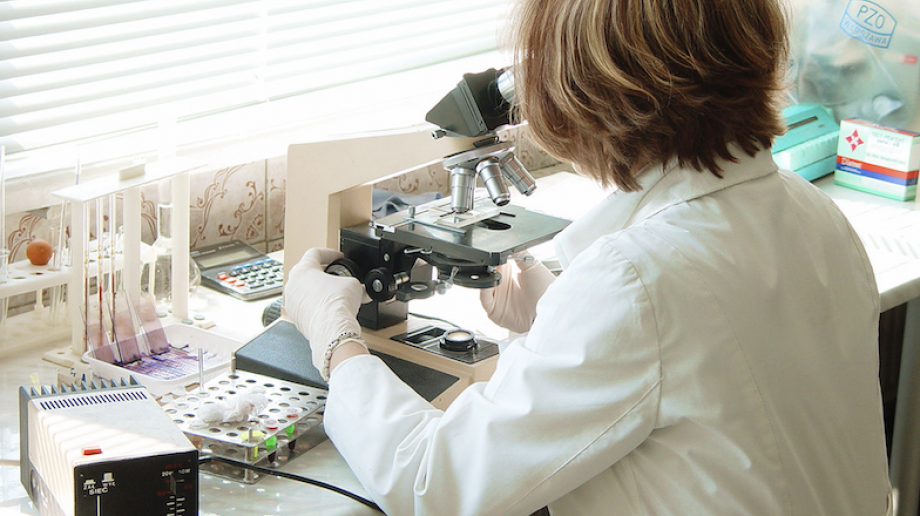
The Chancellor has announced £650 million of funding to "fire up" the UK's life sciences sector and grow the economy.
The ‘Life Sci for Growth’ package brings together 10 different policies, which include £121 million to improve commercial clinical trials to bring new medicines to patients faster, up to £48 million for scientific innovation to prepare for any future health emergencies, £154 million to increase the capacity of the UK’s biological data bank further aiding scientific discoveries that help human health, and up to £250 million to incentivise pension schemes to invest in science and tech firms.
Also included are plans to relaunch the Academic Health Science Network as Health Innovation Networks to boost innovation by bringing together the NHS, local communities, charities, academia and industry to share best practice.
The life sciences sector was worth over £94 billion to the UK economy in 2021, a 9% increase on the year before.
Chancellor Jeremy Hunt said: "Our Life Sciences sector employs over 280,000 people, makes £94 billion for the UK each year and produced the world’s first covid vaccine.
"These are businesses that are growing our economy while having much wider benefits for our health – and this multi-million pound investment will help them go even further."
Health and social care Secretary Steve Barclay said: "This investment is another significant step in harnessing UK innovation to help cut waiting lists - one of the government’s five priorities - and build a stronger NHS.
"We will take forward Lord O’Shaughnessy’s recommendations to speed up the delivery of clinical trials and boost patient involvement in research, so people getting NHS care can benefit from cutting-edge treatments faster, supported by £121 million in government funding.
"We’re also accelerating research into mental health, backed by over £42 million of investment in clinical research centres across the UK – including in Birmingham and Liverpool - to improve the speed and accuracy of diagnosis and increase the use of technology for treatment."
Latest News

16/02/2024 - 12:56
Hammersmith and Fulham Council has created a new alliance intended to clean dirty air and improve residents' health.

16/02/2024 - 10:44
Two million more GP appointments a month are being delivered for patients compared to the same month before the pandemic as part of the NHS primary care access recovery plan according to new NHS data.

15/02/2024 - 10:26
The Welsh Government has provided innovation funding of £380,000 to support two projects utilising technology in domiciliary care.

15/02/2024 - 10:13
The new Scottish health secretary has met with frontline staff at Queen Elizabeth University Hospital in Glasgow.

14/02/2024 - 10:27
The North East London NHS Foundation Trust (NELFT) has appointed three new Executive Directors to the Trust Board.
Product Features

UK Building Regulations highlight toxic gas and smoke from layers of paint built up over multiple redecorations as a major cause of permanent ill health or death in a building fire.
Their concern rose with discovery the flame retardant paints most widely used paint along escape routes have been ones which to this day counter-productively use emission of heavy toxic gas to smother flames which rapidly spread along walls if layers of paint delaminate in a fire.
Supplier Profiles

Northwich’s Victoria Infirmary (VIN) Community Diagnostic Centre (CDC) has enabled more patients

Adveco, the commercial hot water specialist, announces the launch of live metering of domestic ho
Latest Features

Sarah Greenslade, public affairs and communications officer at the British Parking Association looks at some of the problems and innovations in healthcare parking

It’s easy to assume that the comms team is there to handle press enquiries and the occasional social media storm – but the reality is that strategic communications can make a measurable impact across the entire organisation, from operational to financial, when done properly


