
This story was first published in digitalhealth.net

NHS Scotland stops using anaesthetic gas
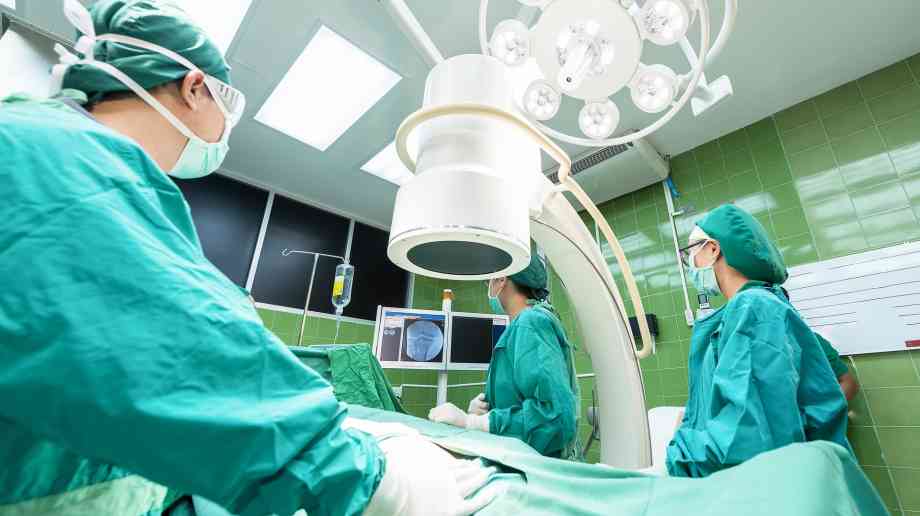
The NHS in Scotland has become the first in the UK to stop using Desflurane, an anaesthetic during surgery.
The drug has a global warming potential 2,500 times greater than carbon dioxide.
It is believed that removing it from hospital theatres across NHS Scotland saves emissions equivalent to powering 1,700 homes every year.
The removal of desflurane is the first action of the National Green Theatres Programme which is due to be formally launched in Spring 2023. Part of the NHS Scotland Climate Emergency and Sustainability strategy and hosted by NHS Golden Jubilee, the programme will identify areas where operating theatres can become more environmentally friendly.
Cabinet secretary for health and social care, Humza Yousaf said: “I am immensely proud that we have become the first nation in the UK to stop using environmentally harmful anaesthetics in our NHS.
“Programmes like this are key to our transition to become a net-zero health service, whilst ensuring patient safety remains at the heart of every clinical decision.”
Kenneth Barker, clinical lead for the National Green Theatres Programme, said: “Theatres are high carbon and energy intensive areas that produce high volumes of waste, so reducing the environmental impact of theatres will make a positive difference toward achieving Scotland's net zero targets.
“NHS Scotland has assigned an ambitious target to be net-zero for anaesthetic gases by 2027, and removal of Desflurane is just the first step towards this.
“We are delighted to work with clinical teams across Scotland and specialists in National Procurement to make this happen before the green theatres programme fully gets under way.
“Our patients always comes first but it’s great that we are now making clinically safe patient care decisions with sustainability in mind.”
Image by Sasin Tipchai from Pixabay
Latest News

16/02/2024 - 12:56
Hammersmith and Fulham Council has created a new alliance intended to clean dirty air and improve residents' health.

16/02/2024 - 10:44
Two million more GP appointments a month are being delivered for patients compared to the same month before the pandemic as part of the NHS primary care access recovery plan according to new NHS data.

15/02/2024 - 10:26
The Welsh Government has provided innovation funding of £380,000 to support two projects utilising technology in domiciliary care.

15/02/2024 - 10:13
The new Scottish health secretary has met with frontline staff at Queen Elizabeth University Hospital in Glasgow.

14/02/2024 - 10:27
The North East London NHS Foundation Trust (NELFT) has appointed three new Executive Directors to the Trust Board.
Product Features

UK Building Regulations highlight toxic gas and smoke from layers of paint built up over multiple redecorations as a major cause of permanent ill health or death in a building fire.
Their concern rose with discovery the flame retardant paints most widely used paint along escape routes have been ones which to this day counter-productively use emission of heavy toxic gas to smother flames which rapidly spread along walls if layers of paint delaminate in a fire.
Supplier Profiles

Northwich’s Victoria Infirmary (VIN) Community Diagnostic Centre (CDC) has enabled more patients

Adveco, the commercial hot water specialist, announces the launch of live metering of domestic ho
Latest Features

Sarah Greenslade, public affairs and communications officer at the British Parking Association looks at some of the problems and innovations in healthcare parking

It’s easy to assume that the comms team is there to handle press enquiries and the occasional social media storm – but the reality is that strategic communications can make a measurable impact across the entire organisation, from operational to financial, when done properly


