
This story was first published in digitalhealth.net

UKHSA publishes plan to eliminate mpox transmission
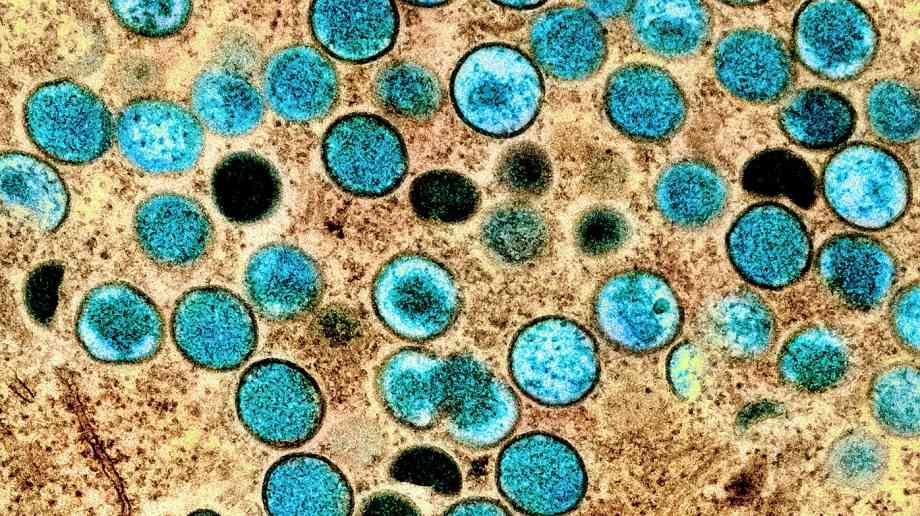
The UK Health Security Agency (UKHSA) has published a strategy to reduce mpox (formerly known as monkeypox) transmission across the UK over the next 12 months.
The strategy sets out eight key actions to reduce harm from the virus. This includes continuing to offer pre-and post-exposure vaccination to those at highest risk; rapid and accurate case finding, by establishing sufficient sampling and testing capacity and investigating the possibility of asymptomatic testing of those at highest risk from the disease; and robust contact tracing, including isolation when required, alongside monitoring progress against elimination, and providing guidance and support to reduce transmission.
Other actions include continuing population-level surveillance, by following up and collating information at a national level to understand whether cases have been acquired in the UK or have travel links; global collaboration with international organisations including WHO, the European Centre for Disease Prevention and Control (ECDC) and the Centers for Disease Control and Prevention (CDC) to share knowledge and support the global response and continued communications and engagement to those who face the highest risk of exposure to mpox.
The final two actions are facilitate infection prevention and control arrangements to prevent transmission in healthcare settings, including the development and dissemination of relevant guidance and cutting edge research and evaluation to assess changes over time, presence and nature of new symptoms and/or asymptomatic infection and the protective effects of past smallpox vaccination.
Transmission has already fallen significantly thanks to vaccination. In July, there were 350 cases per week compared to 5 cases per week in December.
Katy Sinka, Head of Sexually Transmitted Infections at UKHSA, said: "Now the emergency phase of this outbreak has passed, we can move into the second phase of our outbreak management strategy.
"Through our new strategy we hope to maintain the low number of identified cases we are currently seeing and move towards our ultimate goal of eliminating transmission of the disease in the UK.
"But this will take time and maintaining awareness is crucial. It is vital that people remain alert to the risk mpox poses and seek advice if they have symptoms, to protect themselves and others. Vaccination plays a crucial role in this so I would encourage those at highest risk to come forward."
Image: NIAID, CC BY 2.0 <https://creativecommons.org/licenses/by/2.0>, via Wikimedia Commons
Latest News

16/02/2024 - 12:56
Hammersmith and Fulham Council has created a new alliance intended to clean dirty air and improve residents' health.

16/02/2024 - 10:44
Two million more GP appointments a month are being delivered for patients compared to the same month before the pandemic as part of the NHS primary care access recovery plan according to new NHS data.

15/02/2024 - 10:26
The Welsh Government has provided innovation funding of £380,000 to support two projects utilising technology in domiciliary care.

15/02/2024 - 10:13
The new Scottish health secretary has met with frontline staff at Queen Elizabeth University Hospital in Glasgow.

14/02/2024 - 10:27
The North East London NHS Foundation Trust (NELFT) has appointed three new Executive Directors to the Trust Board.
Product Features

UK Building Regulations highlight toxic gas and smoke from layers of paint built up over multiple redecorations as a major cause of permanent ill health or death in a building fire.
Their concern rose with discovery the flame retardant paints most widely used paint along escape routes have been ones which to this day counter-productively use emission of heavy toxic gas to smother flames which rapidly spread along walls if layers of paint delaminate in a fire.
Supplier Profiles

Northwich’s Victoria Infirmary (VIN) Community Diagnostic Centre (CDC) has enabled more patients

Adveco, the commercial hot water specialist, announces the launch of live metering of domestic ho
Latest Features

Sarah Greenslade, public affairs and communications officer at the British Parking Association looks at some of the problems and innovations in healthcare parking

It’s easy to assume that the comms team is there to handle press enquiries and the occasional social media storm – but the reality is that strategic communications can make a measurable impact across the entire organisation, from operational to financial, when done properly


