
This story was first published in digitalhealth.net

National Audit Office warns backlog efforts at risk
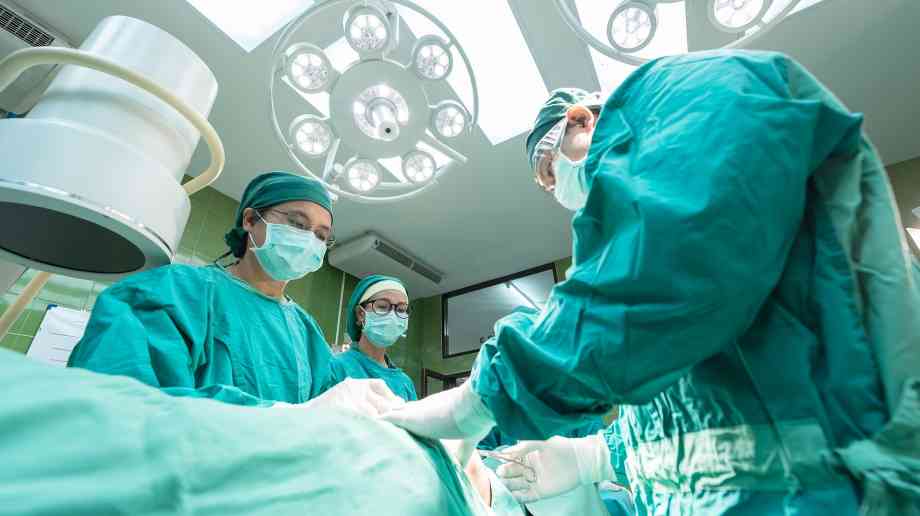
The National Audit Office (NAO) has warned that the plan to reduce the backlog for elective and cancer care services is at serious risk, as the funding allocated is not in line with inflation and the NHS is facing significant workforce and productivity pressures.
According to the NAO, before the pandemic, the NHS had not met its standard for elective care for four years, nor its full set of eight standards for cancer serviced for six years.
The waiting list for elective care was 4.4 million in February 2020. This had risen to 5.8 million by September 2021.
NHS England published a recovery plan for elective and cancer care in February 2022, for the three years up to March 2025. According to this plan, elective care waits of more than one year should be eliminated by March 2025 and by March 2023, the number of people waiting more than 62 days from an urger cancer care referral should return to pre-pandemic levels.
However, according to NAO, overall elective care activity is currently below the planned trajectory for reaching 129 per cent of 2019-2020 levels by 2024-25.
The waiting list for elective care currently stands at 7 million patients, as of August, including 387,000 patients who have been waiting more than a year. 26 out of 42 Integrated Care Systems have already indicated that they won't meet their 2022-23 target.
The NAO report highlights that inflation has eroded the value of the £14 billion allocated to the recovery plan.
The report also points out that in 2021, productivity in the NHS was 16 per cent lower than before the pandemic. This is due to increased sickness absence, infection prevention and control measures and reduced willingness to work overtime.
There are also a high number of vacant roles and low morale among the workforce.
Gareth Davies, the head of the NAO, said: “There are significant risks to the delivery of the plan to reduce long waits for elective and cancer care services by 2025. The NHS faces workforce shortages and inflationary pressures, and it will need to be agile in responding as the results of different initiatives in the recovery programme emerge.
“DHSC has an essential role to play, holding the NHS to account for its delivery of the recovery plan and providing more challenge and support when it is needed.”
Image by Sasin Tipchai from Pixabay
Latest News

16/02/2024 - 12:56
Hammersmith and Fulham Council has created a new alliance intended to clean dirty air and improve residents' health.

16/02/2024 - 10:44
Two million more GP appointments a month are being delivered for patients compared to the same month before the pandemic as part of the NHS primary care access recovery plan according to new NHS data.

15/02/2024 - 10:26
The Welsh Government has provided innovation funding of £380,000 to support two projects utilising technology in domiciliary care.

15/02/2024 - 10:13
The new Scottish health secretary has met with frontline staff at Queen Elizabeth University Hospital in Glasgow.

14/02/2024 - 10:27
The North East London NHS Foundation Trust (NELFT) has appointed three new Executive Directors to the Trust Board.
Product Features

UK Building Regulations highlight toxic gas and smoke from layers of paint built up over multiple redecorations as a major cause of permanent ill health or death in a building fire.
Their concern rose with discovery the flame retardant paints most widely used paint along escape routes have been ones which to this day counter-productively use emission of heavy toxic gas to smother flames which rapidly spread along walls if layers of paint delaminate in a fire.
Supplier Profiles

Northwich’s Victoria Infirmary (VIN) Community Diagnostic Centre (CDC) has enabled more patients

Adveco, the commercial hot water specialist, announces the launch of live metering of domestic ho
Latest Features

Sarah Greenslade, public affairs and communications officer at the British Parking Association looks at some of the problems and innovations in healthcare parking

It’s easy to assume that the comms team is there to handle press enquiries and the occasional social media storm – but the reality is that strategic communications can make a measurable impact across the entire organisation, from operational to financial, when done properly


