
This story was first published in digitalhealth.net

Ex-health minister criticises health secretary
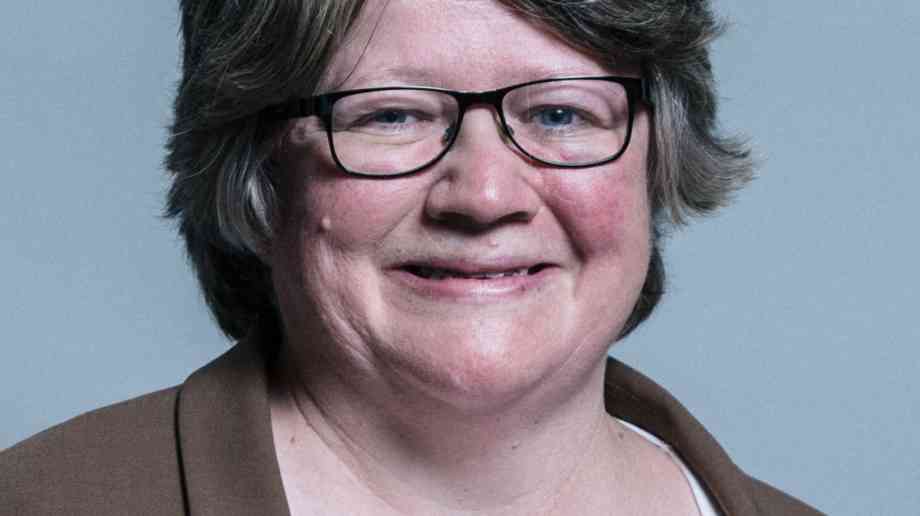
Dan Poulter, Conservative minister for child health from 2012-2015, current Conservative MP, and a practising NHS psychiatrist, has criticised the current health secretary Thérèse Coffey for putting ideology above the nation's health.
Poulter was a minister at the time smoking in cars with children was banned and claims this policy saved lives. In an article for the Guardian, he said: "I only wish that the new secretary of state for health held the same view."
The health secretary, who is herself a smoker, has voted against measures to restrict smoking including a ban on smoking in enclosed public spaces, banning smoking in cars with children and plain packaging for cigarettes.
Poulter said: "I cannot overstate my disappointment when, last week, in a series of extraordinary media interviews, she repeatedly doubled down on her personal support for parents to make the choice about exposing children to the dangers of passive smoking in cars – even though it is now (thankfully) against the law. Worse was to come, when she also confirmed that the government’s long-awaited tobacco control plan – which could save thousands of lives – may never see the light of day, and does not accord with her stated priorities for the health service."
He also pointed out other areas where Coffey may roll back health measures, including supporting a Treasury review to potentially abandon anti-obesity measures.
Both the smoking measures and the anti-obesity measures have been seen to make a difference to public health.
He pointed out that "prevention is better than cure" and that the focus should be on reducing the disease burden on the NHS.
Poulter said: "As both a former health minister and a practising NHS doctor who has seen close up the devastation that smoking wreaks, I find Coffey’s approach to be deeply alarming. More smoking and more obesity mean more illness, more pressure on the NHS and shorter lives – particularly among the poorest in society.
"It is the duty of every government – for ethical and practical reasons – to take action against smoking, obesity and other key causes of early mortality and morbidity. I am acutely concerned that Coffey’s ideological hostility to what history shows is government’s potentially very positive role in protecting us against these grave threats to our health will exacerbate the problems they already pose. At its worst, such a radically different approach to public health could cost lives, as it will inevitably lead to more people smoking and becoming dangerously overweight."
Latest News

16/02/2024 - 12:56
Hammersmith and Fulham Council has created a new alliance intended to clean dirty air and improve residents' health.

16/02/2024 - 10:44
Two million more GP appointments a month are being delivered for patients compared to the same month before the pandemic as part of the NHS primary care access recovery plan according to new NHS data.

15/02/2024 - 10:26
The Welsh Government has provided innovation funding of £380,000 to support two projects utilising technology in domiciliary care.

15/02/2024 - 10:13
The new Scottish health secretary has met with frontline staff at Queen Elizabeth University Hospital in Glasgow.

14/02/2024 - 10:27
The North East London NHS Foundation Trust (NELFT) has appointed three new Executive Directors to the Trust Board.
Product Features

UK Building Regulations highlight toxic gas and smoke from layers of paint built up over multiple redecorations as a major cause of permanent ill health or death in a building fire.
Their concern rose with discovery the flame retardant paints most widely used paint along escape routes have been ones which to this day counter-productively use emission of heavy toxic gas to smother flames which rapidly spread along walls if layers of paint delaminate in a fire.
Supplier Profiles

Northwich’s Victoria Infirmary (VIN) Community Diagnostic Centre (CDC) has enabled more patients

Adveco, the commercial hot water specialist, announces the launch of live metering of domestic ho
Latest Features

Sarah Greenslade, public affairs and communications officer at the British Parking Association looks at some of the problems and innovations in healthcare parking

It’s easy to assume that the comms team is there to handle press enquiries and the occasional social media storm – but the reality is that strategic communications can make a measurable impact across the entire organisation, from operational to financial, when done properly


