
This story was first published in digitalhealth.net

UK medicines regulator approves first bivalent COVID-19 booster vaccine
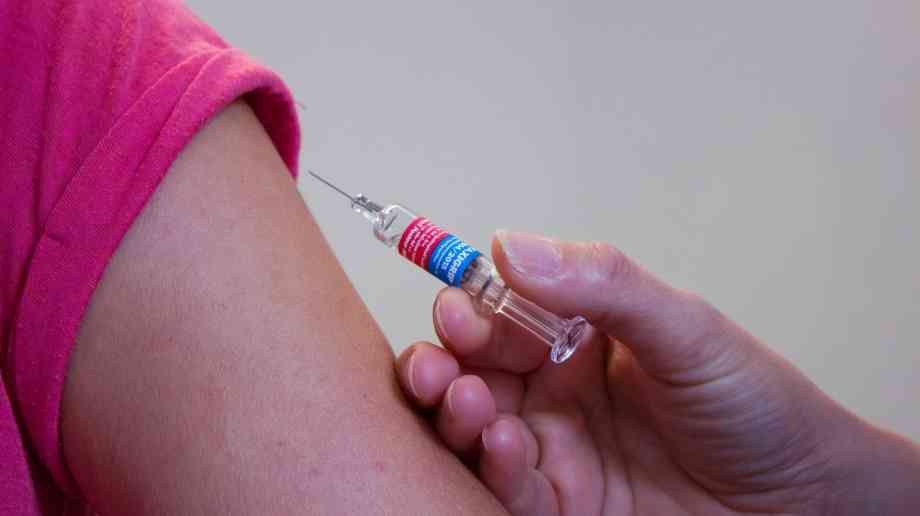
The Medicines and Healthcare products Regulatory Agency (MHRA) has approved an updated version of Moderna's COVID-19 vaccine that targets two covid variants (known as a “bivalent” vaccine). The vaccine was found to meet the UK regulator’s standards of safety, quality and effectiveness.
Half of the vaccine (25 micrograms) targets the original virus strain from 2020 and the other half (25 micrograms) targets Omicron.
After reviewing the evidence, the government’s independent expert scientific advisory body, the Commission on Human Medicines, endorsed the decision.
The announcement follows a clinical trial which showed that a booster with the bivalent Moderna vaccine triggers a strong immune response against both Omicron (BA.1) and the original 2020 strain.
The side effects observed with the new vaccine were the same as those seen for the original Moderna booster dose and were typically mild and self-resolving. No serious safety concerns were identified.
Dr June Raine, MHRA Chief Executive said: “I am pleased to announce the approval of the Moderna bivalent booster vaccine, which was found in the clinical trial to provide a strong immune response against the Omicron BA.1 variant as well as the original 2020 strain.
“The first generation of COVID-19 vaccines being used in the UK continue to provide important protection against the disease and save lives. What this bivalent vaccine gives us is a sharpened tool in our armoury to help protect us against this disease as the virus continues to evolve.
“We have in place a comprehensive safety surveillance strategy for monitoring the safety of all UK-approved COVID-19 vaccines and this will include the vaccine approved today.”
Professor Sir Munir Pirmohamed, Chair of the Commission on Human Medicines said: “The Commission on Human Medicines and its COVID-19 Vaccines Expert Working Group has independently reviewed the data on safety, quality and effectiveness and agrees with the MHRA’s decision.”
“The virus, SARS-CoV-2, is continually evolving in order to evade the immunity provided by vaccines. This novel bivalent vaccine represents the next step in the development of vaccines to combat the virus, with its ability to lead to a broader immune response than the original vaccine.”
Image: Pixabay
Latest News

16/02/2024 - 12:56
Hammersmith and Fulham Council has created a new alliance intended to clean dirty air and improve residents' health.

16/02/2024 - 10:44
Two million more GP appointments a month are being delivered for patients compared to the same month before the pandemic as part of the NHS primary care access recovery plan according to new NHS data.

15/02/2024 - 10:26
The Welsh Government has provided innovation funding of £380,000 to support two projects utilising technology in domiciliary care.

15/02/2024 - 10:13
The new Scottish health secretary has met with frontline staff at Queen Elizabeth University Hospital in Glasgow.

14/02/2024 - 10:27
The North East London NHS Foundation Trust (NELFT) has appointed three new Executive Directors to the Trust Board.
Product Features

UK Building Regulations highlight toxic gas and smoke from layers of paint built up over multiple redecorations as a major cause of permanent ill health or death in a building fire.
Their concern rose with discovery the flame retardant paints most widely used paint along escape routes have been ones which to this day counter-productively use emission of heavy toxic gas to smother flames which rapidly spread along walls if layers of paint delaminate in a fire.
Supplier Profiles

Northwich’s Victoria Infirmary (VIN) Community Diagnostic Centre (CDC) has enabled more patients

Adveco, the commercial hot water specialist, announces the launch of live metering of domestic ho
Latest Features

Sarah Greenslade, public affairs and communications officer at the British Parking Association looks at some of the problems and innovations in healthcare parking

It’s easy to assume that the comms team is there to handle press enquiries and the occasional social media storm – but the reality is that strategic communications can make a measurable impact across the entire organisation, from operational to financial, when done properly


