
This story was first published in digitalhealth.net

NHS announces measures to combat winter pressures
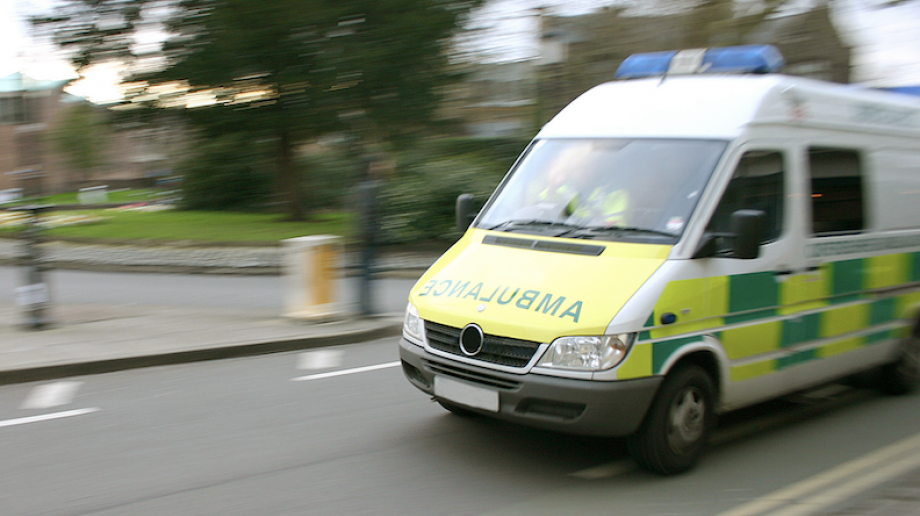
In anticipation of the busy winter period, the NHS has announced measures to boost capacity and resilience including increasing bed availability and staff numbers.
In order prepare local services for additional pressure, local health chiefs will be implementing plans to create the equivalent of 7,000 more beds through a mixture of new hospital beds, ‘virtual ward’ spaces and initiatives to improve patient flow over the coming months.
More call handlers across the country will also be recruited, with at least 4,800 staff working in 111 and 2,500 in 999 call rooms to deal with higher demand.
The NHS will also work more closely with social care services, to ensure that people receive the care and support they need to leave hospital as quickly as possible, with the latest stats showing only 40 per cent of patients were able to leave hospital when they were ready in July.
Planning is already underway for an autumn COVID-19 booster programme and the annual flu campaign.
Other measures have been announced to boost resilience in and out of hospital services. These include and extra £10 million funding for mental health services throughout the winter, mental health professionals deployed in 999 call centres and supporting GP services to recruit extra social prescribing link workers and care-coordinators to support patients with other needs.
Professor Sir Stephen Powis, NHS national medical director said: “Winter is always a busy period for the NHS, and this is the first winter where we are likely to see combined pressures from COVID and flu, so it is right that we prepare as early as we can for the additional demand that we know we will face.
“Staff are already under pressure with continued high demand for our services – with figures showing the busiest summer ever for NHS emergency departments, with 2.18 million A&E attendances and almost 900,000 999 calls answered in June, and in July the highest number of category 1 ambulance callouts since records began”.
“Ahead of the winter, we want to make sure we are doing everything we possibly can to free up capacity so that staff can ensure patients get the care they need – this includes timely discharge, working with social care, and better support in the community with the expansion of virtual wards.
“We are also making the most of the advantages that a national health service provides – hospitals will be working closely together to ensure patients can be seen anywhere in the country and to speed up call times when patients call 111.
“As ever, it is vital that the public continues to use NHS services in the usual way including using 999 in an emergency and using NHS 111 online for other health issues.
“And when the time comes, book in for your COVID and flu vaccines if you are eligible”.
Latest News

16/02/2024 - 12:56
Hammersmith and Fulham Council has created a new alliance intended to clean dirty air and improve residents' health.

16/02/2024 - 10:44
Two million more GP appointments a month are being delivered for patients compared to the same month before the pandemic as part of the NHS primary care access recovery plan according to new NHS data.

15/02/2024 - 10:26
The Welsh Government has provided innovation funding of £380,000 to support two projects utilising technology in domiciliary care.

15/02/2024 - 10:13
The new Scottish health secretary has met with frontline staff at Queen Elizabeth University Hospital in Glasgow.

14/02/2024 - 10:27
The North East London NHS Foundation Trust (NELFT) has appointed three new Executive Directors to the Trust Board.
Product Features

UK Building Regulations highlight toxic gas and smoke from layers of paint built up over multiple redecorations as a major cause of permanent ill health or death in a building fire.
Their concern rose with discovery the flame retardant paints most widely used paint along escape routes have been ones which to this day counter-productively use emission of heavy toxic gas to smother flames which rapidly spread along walls if layers of paint delaminate in a fire.
Supplier Profiles

Northwich’s Victoria Infirmary (VIN) Community Diagnostic Centre (CDC) has enabled more patients

Adveco, the commercial hot water specialist, announces the launch of live metering of domestic ho
Latest Features

Sarah Greenslade, public affairs and communications officer at the British Parking Association looks at some of the problems and innovations in healthcare parking

It’s easy to assume that the comms team is there to handle press enquiries and the occasional social media storm – but the reality is that strategic communications can make a measurable impact across the entire organisation, from operational to financial, when done properly


