
This story was first published in digitalhealth.net

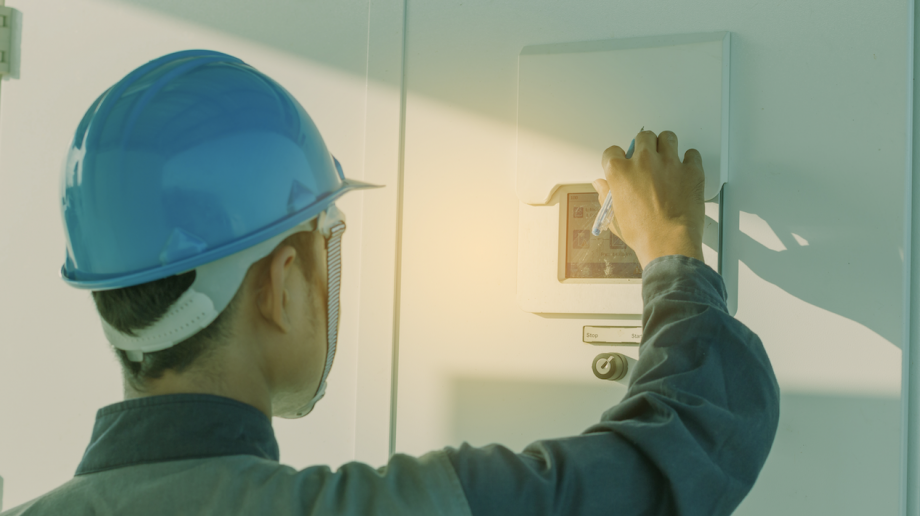
A new generation of Hard FM services
Made up of 154 suppliers of FM services and able to achieve between five and ten per cent savings, NHS Shared Business Services’ new Hard FM Framework includes a provision for low carbon supplier reporting as well as Covid Secure access control
From infection control through to the maintenance and upkeep of medical facilities and equipment, keeping a safe environment in healthcare settings has a direct bearing on patient safety and care, the wellbeing of the NHS workforce and that of the wider public. Data from NHS Digital’s 2020/21 Estates Return Information Collection shows that the annual cost of running the NHS Estate stands at £10.2 billion - a four per cent increase on 2019/2020, with the cost of clearing the required maintenance backlog having risen 2.2 per cent to £9.2 billion.
Broadened scope
With this in mind, NHS Shared Business Services (NHS SBS) has launched its second-generation Hard Facilities Management (Hard FM) framework agreement, which has a broadened scope to encompass Covid-19 safety provisions and includes a specific emphasis on sustainability and innovation.
The framework agreement has been specifically designed for the NHS and healthcare sector, with inputs from NHS trusts (procurement, estate management and capital development personnel), the wider healthcare community and other public sector bodies. It can provide up to 10 per cent savings for Estate, Facilities and Capital Development teams that buy services through it. With £800m expected spend via the framework over the next four years, it could potentially equate to public sector savings of up to £80m.
Automation
The new framework caters for the significant developments in the digitisation and automation of systems and access control which have come to the fore since its previous iteration. For example, contactless preliminary temperature screenings at entry points in hospitals and healthcare settings, which detect individuals attempting to access the building who may have elevated body temperature.
As the UK’s largest employer, the NHS is responsible for around 4 per cent of the nation’s carbon emissions. It is, therefore, committed to tackling climate change by reducing its direct emissions to ‘net zero’ by 2040 and 2045 for those emissions it can influence.
With 60 per cent of the NHS carbon footprint occurring within the NHS supply chain, public procurement will be leveraged to effect change. Therefore, commencing April 1 2022, NHS England extended the reach of the Government’s model to deliver social value through its commercial activities to the commissioning and purchase of goods and services by NHS organisations.
Low Carbon provision
The Hard FM framework makes provision for this, via the 154 suppliers awarded a place across its 46 specialist lots. This mix of expertise spans the provision of low carbon energy infrastructure (incorporating smart microgrids with on-site generation of renewable energy), alongside air cleaning, decontamination and infection control systems. The framework also includes Covid-secure queue management systems and access control, partitioning, isolation and social distancing systems, and integrated workplace management systems.
Brendan Griffin-Ryan, NHS SBS senior category manager - Estates & Facilities, said: “The management of NHS estates and facilities demands specialist expertise in areas such as strategic planning alongside comprehensive knowledge of the estate’s condition. Compliance, with an ever-increasing list of regulations, places further pressure on teams managing these vital services. This framework is designed to support estate managers meet these targets and provide a compliant route for reactive, planned and new installations of equipment and infrastructure.
“With an approach heavily focused on sustainability, NHS SBS’s new framework agreement ensures broader ethical environmental objectives are considered and met, tying into the strategies and ambitions detailed in NHS England’s ‘Delivering a ‘Net Zero’ National Health Service’ plan.
“The Covid-19 pandemic has presented new safety and infection control challenges and led to healthcare providers having to significantly adapt to ensure they can maintain Covid-safe environments. Hence the framework’s inclusion of a range of supplier services and innovative solutions, such as touch-free entrance technology, to support the new Covid-safety requirements.”
About NHS SBS
Established in 2005 by the Department of Health and Social Care in a partnership with Sopra Steria, NHS SBS reinvests a high percentage of revenue back into its services, allowing it to make significant capital investments at scale and at its own risk
Latest News

16/02/2024 - 12:56
Hammersmith and Fulham Council has created a new alliance intended to clean dirty air and improve residents' health.

16/02/2024 - 10:44
Two million more GP appointments a month are being delivered for patients compared to the same month before the pandemic as part of the NHS primary care access recovery plan according to new NHS data.

15/02/2024 - 10:26
The Welsh Government has provided innovation funding of £380,000 to support two projects utilising technology in domiciliary care.

15/02/2024 - 10:13
The new Scottish health secretary has met with frontline staff at Queen Elizabeth University Hospital in Glasgow.

14/02/2024 - 10:27
The North East London NHS Foundation Trust (NELFT) has appointed three new Executive Directors to the Trust Board.
Product Features

UK Building Regulations highlight toxic gas and smoke from layers of paint built up over multiple redecorations as a major cause of permanent ill health or death in a building fire.
Their concern rose with discovery the flame retardant paints most widely used paint along escape routes have been ones which to this day counter-productively use emission of heavy toxic gas to smother flames which rapidly spread along walls if layers of paint delaminate in a fire.
Supplier Profiles

Northwich’s Victoria Infirmary (VIN) Community Diagnostic Centre (CDC) has enabled more patients

Adveco, the commercial hot water specialist, announces the launch of live metering of domestic ho
Latest Features

Sarah Greenslade, public affairs and communications officer at the British Parking Association looks at some of the problems and innovations in healthcare parking

It’s easy to assume that the comms team is there to handle press enquiries and the occasional social media storm – but the reality is that strategic communications can make a measurable impact across the entire organisation, from operational to financial, when done properly


