
This story was first published in digitalhealth.net

WMAS named as Global Digital Exemplar
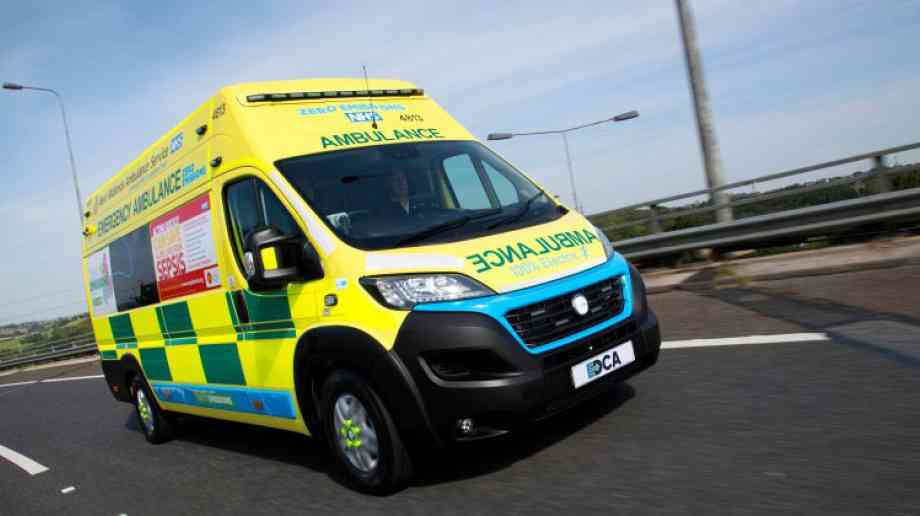
West Midlands Ambulance Service NHS Trust has receive accreditation from NHS England and NHS Improvement as part of its Global Digital Exemplar (GDE) programme.
Through the GDE projects, the Trust has significantly changed access to records for WMAS clinicians whilst with patients. In the 20/21 year, access to records when a crew attends a patient, grew to 58.9 per cent against a national target of 5 per cent.
Also noted is the WMAS ‘Make Ready’ processes, where Vehicle Preparation Operatives get vehicles ready for their next shift at 15 operational hubs. This has seen staff move from working off whiteboard and paper sheets to a rolling digital screen.
Exemplars will share their learning and experiences through the creation of blueprints to enable other Trusts to follow in their footsteps as quickly and effectively as possible.
Operational Support Services Director, Craig, Cooke, said:
"A huge amount of work has been completed over the last few years to get to this point, and I want to thank all the staff who have taken on and completed the GDE. We’re now recognised against an international standard of digital capability and maturity and being one of just two ambulance services in the country to achieve this accolade is very special. The team from NHS England and NHS Improvement were extremely complimentary about the Trust’s determination to complete the GDE accreditation despite the pandemic pressures.
"Thanks also to the NHS Digital team – the whole process has been useful and a learning experience as well. It has certainly impacted how we will deliver projects moving forward.”
Dermot Ryan, Director of Frontline Digitisation at NHS England and NHS Improvement, said:
“The team at West Midlands Ambulance Service are demonstrating how digital tools and access to data can help mitigate the challenges faced by the ambulance service – from access to patient records when a crew attends an emergency call, to streamlining vehicle preparation. The Trust has driven real transformation of how they deliver services, which is improving the experience for patients and staff.”
Latest News

16/02/2024 - 12:56
Hammersmith and Fulham Council has created a new alliance intended to clean dirty air and improve residents' health.

16/02/2024 - 10:44
Two million more GP appointments a month are being delivered for patients compared to the same month before the pandemic as part of the NHS primary care access recovery plan according to new NHS data.

15/02/2024 - 10:26
The Welsh Government has provided innovation funding of £380,000 to support two projects utilising technology in domiciliary care.

15/02/2024 - 10:13
The new Scottish health secretary has met with frontline staff at Queen Elizabeth University Hospital in Glasgow.

14/02/2024 - 10:27
The North East London NHS Foundation Trust (NELFT) has appointed three new Executive Directors to the Trust Board.
Product Features

UK Building Regulations highlight toxic gas and smoke from layers of paint built up over multiple redecorations as a major cause of permanent ill health or death in a building fire.
Their concern rose with discovery the flame retardant paints most widely used paint along escape routes have been ones which to this day counter-productively use emission of heavy toxic gas to smother flames which rapidly spread along walls if layers of paint delaminate in a fire.
Supplier Profiles

Northwich’s Victoria Infirmary (VIN) Community Diagnostic Centre (CDC) has enabled more patients

Adveco, the commercial hot water specialist, announces the launch of live metering of domestic ho
Latest Features

Sarah Greenslade, public affairs and communications officer at the British Parking Association looks at some of the problems and innovations in healthcare parking

It’s easy to assume that the comms team is there to handle press enquiries and the occasional social media storm – but the reality is that strategic communications can make a measurable impact across the entire organisation, from operational to financial, when done properly


