
This story was first published in digitalhealth.net

NICE recommends Sleepio app for insomnia treatment
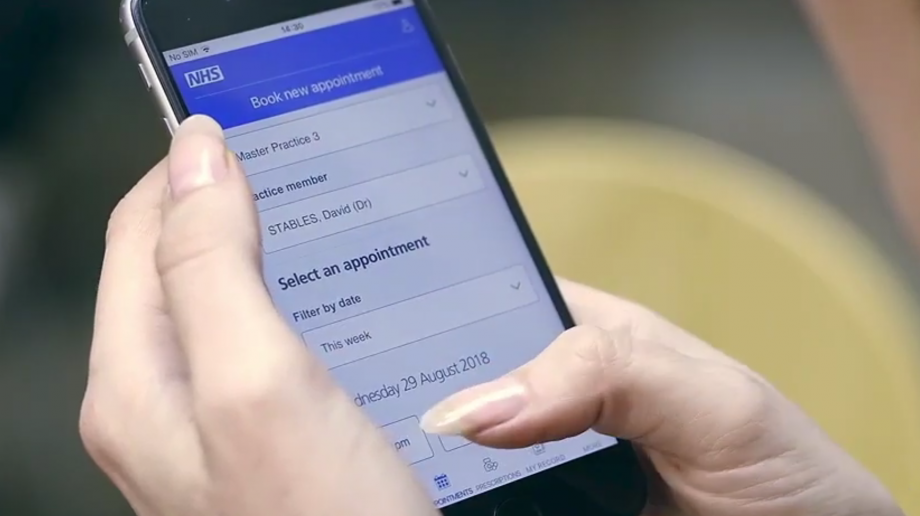
An app that uses artificial intelligence algorithms to provide people with tailored digital cognitive behavioural therapy for insomnia has been recommended by The National Institute for Health and Care Excellence (NICE).
The NICE guidance states that Sleepio, Big Health’s digital therapeutic for insomnia, is a safe and effective treatment for people who would otherwise only have access sleep hygiene advice and medication.
Evidence shows Sleepio reduces GP appointments by providing access to cognitive behavioural therapy for insomnia (CBT-I) where face-to-face CBT-I is unavailable. This can also reduce prescriptions of medicines such as zolpidem and zopiclone that can be dependency forming.
The app provides a digital six-week self-help programme involving a sleep test, weekly interactive CBT-I sessions and keeping a diary about their sleeping patterns.
The programme is designed to be completed in six weeks, but people have full access to the programme for 12 months from registration. This allows people to complete the sessions at their own pace and revisit sessions if they wish. Participants can also access electronic library articles, online tools and join the online Sleepio user community for support.
Jeanette Kusel, acting director for MedTech and digital at NICE, said:
“Until now people with insomnia have been offered sleeping pills and taught about sleep hygiene, so our committee’s recommendation of Sleepio provides GPs and their patients with a new treatment option.
“Our rigorous, transparent and evidence-based analysis has found that Sleepio is cost saving for the NHS compared with usual treatments in primary care. It will also reduce people with insomnia’s reliance on dependence forming drugs such as zolpidem and zopiclone.
“This is a good example of where a digital health technology can help the NHS. The evidence has shown using Sleepio reduces the number of GP appointments people with insomnia need and will also cut the number of prescriptions for sleeping pills delivered by pharmacists.”
Dr. Nick Broughton, CEO of Oxford Health NHS Foundation Trust and Board Member of the Oxford Academic Health and Science Network (AHSN), said:
“Sleepio has the potential to transform current mental health pathways by expanding access to guideline-recommended care for everyone in England. The Oxford AHSN and Oxford Health are delighted to have played a key role in Sleepio’s flagship implementation in the Thames Valley, where Innovate UK funding helped generate rich real-world evidence that made NICE’s evaluation possible. We hope that Sleepio will now be made available across the country.”
Sleepio is £45 (excluding VAT) per person who starts session 1 of the Sleepio programme.
The independent NICE committee has recommended a medical assessment should be done before referral to Sleepio during pregnancy and in people with comorbidities.
They have also recommended more research or data collection to show how effective Sleepio is compared with face-to-face CBT-I.
Latest News

16/02/2024 - 12:56
Hammersmith and Fulham Council has created a new alliance intended to clean dirty air and improve residents' health.

16/02/2024 - 10:44
Two million more GP appointments a month are being delivered for patients compared to the same month before the pandemic as part of the NHS primary care access recovery plan according to new NHS data.

15/02/2024 - 10:26
The Welsh Government has provided innovation funding of £380,000 to support two projects utilising technology in domiciliary care.

15/02/2024 - 10:13
The new Scottish health secretary has met with frontline staff at Queen Elizabeth University Hospital in Glasgow.

14/02/2024 - 10:27
The North East London NHS Foundation Trust (NELFT) has appointed three new Executive Directors to the Trust Board.
Product Features

UK Building Regulations highlight toxic gas and smoke from layers of paint built up over multiple redecorations as a major cause of permanent ill health or death in a building fire.
Their concern rose with discovery the flame retardant paints most widely used paint along escape routes have been ones which to this day counter-productively use emission of heavy toxic gas to smother flames which rapidly spread along walls if layers of paint delaminate in a fire.
Supplier Profiles

Northwich’s Victoria Infirmary (VIN) Community Diagnostic Centre (CDC) has enabled more patients

Adveco, the commercial hot water specialist, announces the launch of live metering of domestic ho
Latest Features

Sarah Greenslade, public affairs and communications officer at the British Parking Association looks at some of the problems and innovations in healthcare parking

It’s easy to assume that the comms team is there to handle press enquiries and the occasional social media storm – but the reality is that strategic communications can make a measurable impact across the entire organisation, from operational to financial, when done properly


