
This story was first published in digitalhealth.net

NICE approves new lung cancer treatment
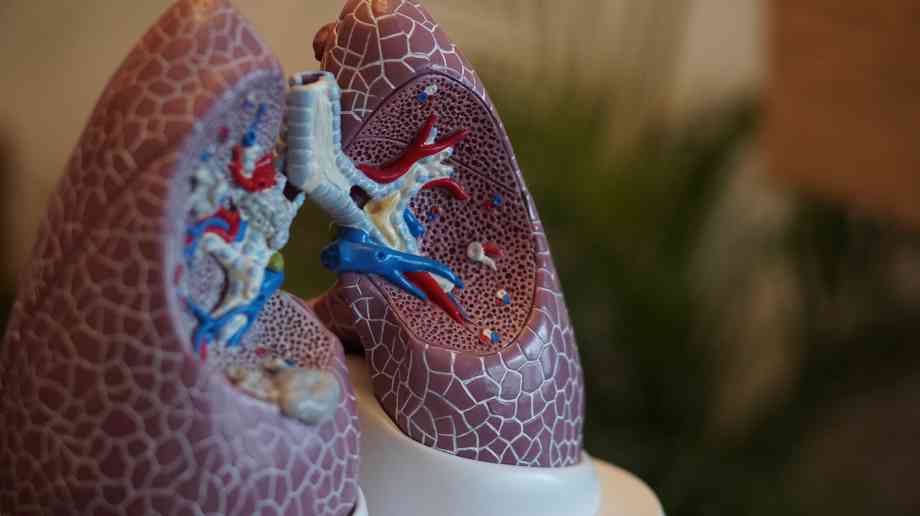
Durvalumab, a new lung cancer treatment, is to be made available through the NHS after approval by The National Institute for Health and Care Excellence (NICE).
The drug can double the overall time someone can survive with an aggressive form of lung cancer from two and a half to five years.
It stops the cancer from getting worse for more than two years – significantly longer than treatment with a combination of chemotherapy and radiotherapy, which can only hold the disease at bay for around six months.
Durvalumab, manufactured by AstraZeneca, was previously offered to NHS patients in 2019 through the Cancer Drugs Fund to enable further data to be collected on clinical and cost effectiveness. This has enabled NICE to make a final recommendation this week on its routine use in the NHS.
Now the drug has been approved by the National Institute for Health and Care Excellence (NICE), the NHS has sealed a deal with manufacturer AstraZeneca to begin rolling it out. The new treatment will be offered to more than 550 patients a year with advanced non-small-cell lung cancer (NSCLC) who have already undergone both chemotherapy and radiotherapy concurrently.
The drug is given to patients every four weeks and only takes an hour to administer. It is delivered as an infusion into a vein and uses the body’s immune system to fight cancer cells with a specific protein known as PD-L1 by attaching to them.
Dame Cally Palmer, National Cancer Director for NHS England said:
“We are resolute in our ambition to fight the devastating effects of cancer and new pioneering treatments like durvalumab are a vital lifeline for people living with cancer – giving them more precious time with family and friends.
“Most of us know someone who has been diagnosed with cancer and it can affect people of all walks of life. The NHS has continued to prioritise cancer care throughout the pandemic and I urge anyone with concerns about symptoms they might be experiencing to come forward without delay and get checked, either at your GP or at one of our mobile lung cancer scanning units”.
Blake Dark, Commercial Medicines Director for NHS England said:
“The NHS is committed to getting patients the latest cutting-edge treatments and therapies to increase the life chances of people living with advanced cancers.
“This drug will be a huge boost for lung cancer patients across England and is also the latest in a long list of innovative, targeted cancer treatments secured by the NHS through a commercial agreement, making it good value for taxpayers too”.
Latest News

16/02/2024 - 12:56
Hammersmith and Fulham Council has created a new alliance intended to clean dirty air and improve residents' health.

16/02/2024 - 10:44
Two million more GP appointments a month are being delivered for patients compared to the same month before the pandemic as part of the NHS primary care access recovery plan according to new NHS data.

15/02/2024 - 10:26
The Welsh Government has provided innovation funding of £380,000 to support two projects utilising technology in domiciliary care.

15/02/2024 - 10:13
The new Scottish health secretary has met with frontline staff at Queen Elizabeth University Hospital in Glasgow.

14/02/2024 - 10:27
The North East London NHS Foundation Trust (NELFT) has appointed three new Executive Directors to the Trust Board.
Product Features

UK Building Regulations highlight toxic gas and smoke from layers of paint built up over multiple redecorations as a major cause of permanent ill health or death in a building fire.
Their concern rose with discovery the flame retardant paints most widely used paint along escape routes have been ones which to this day counter-productively use emission of heavy toxic gas to smother flames which rapidly spread along walls if layers of paint delaminate in a fire.
Supplier Profiles

Northwich’s Victoria Infirmary (VIN) Community Diagnostic Centre (CDC) has enabled more patients

Adveco, the commercial hot water specialist, announces the launch of live metering of domestic ho
Latest Features

Sarah Greenslade, public affairs and communications officer at the British Parking Association looks at some of the problems and innovations in healthcare parking

It’s easy to assume that the comms team is there to handle press enquiries and the occasional social media storm – but the reality is that strategic communications can make a measurable impact across the entire organisation, from operational to financial, when done properly


