
This story was first published in digitalhealth.net

MPs urge 40 year deadline for asbestos removal
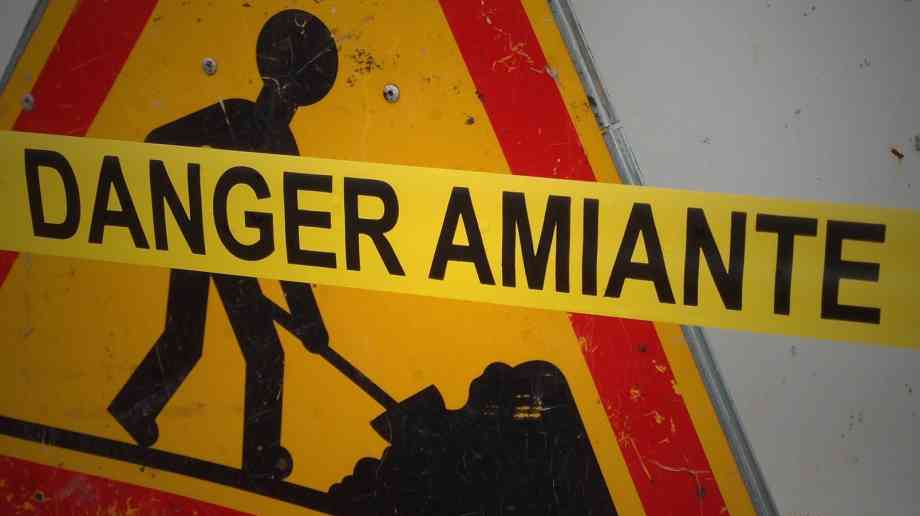
The Work and Pensions Committee has stressed that the government should commit to a strategy to remove all asbestos from public and commercial buildings within 40 years.
A new report from the Commons committee states how despite being banned more than two decades ago, asbestos persists as the single greatest cause of work-related fatalities in the UK. There were more than 5,000 deaths in 2019, including from cancers such as mesothelioma.
Many of these deaths will relate to exposures from 35 or more years ago. Available evidence indicates that cumulative exposures are much lower now for younger age groups but more data is needed to understand the current picture.
With asbestos still in around 300,000 non-domestic buildings and a likely dramatic increase in disturbance from net zero retrofitting, MPs say that reliance on the current asbestos regulations will not be good enough. It concludes that a cross-government and ‘system-wide’ strategy for the long-term removal of asbestos is needed.
Stephen Timms, chair of the committee, said: “Asbestos is one of the great workplace tragedies of modern times and while the extreme exposures of the late twentieth century are now behind us, the risk from asbestos remains real. The drive towards retrofitting of buildings to meet net zero aspirations means the risk of asbestos exposure will only escalate in the coming decades. Falling back on regulations which devolve responsibility to individual building owners and maintenance managers will not be sufficient to protect people’s health.
“Setting a clear deadline of 40 years for the removal of asbestos from non-domestic buildings will help to focus minds. The clock is ticking and the government and HSE must now come up with a strategic plan which builds the evidence on safer removal and prioritises higher risk settings such as schools. This is no time for laissez-faire. The government needs to fund the HSE properly to allow it to reverse the decline in enforcement activity seen in the decade before the pandemic and ensure that asbestos, and its removal, is managed safely and effectively.”
Latest News

16/02/2024 - 12:56
Hammersmith and Fulham Council has created a new alliance intended to clean dirty air and improve residents' health.

16/02/2024 - 10:44
Two million more GP appointments a month are being delivered for patients compared to the same month before the pandemic as part of the NHS primary care access recovery plan according to new NHS data.

15/02/2024 - 10:26
The Welsh Government has provided innovation funding of £380,000 to support two projects utilising technology in domiciliary care.

15/02/2024 - 10:13
The new Scottish health secretary has met with frontline staff at Queen Elizabeth University Hospital in Glasgow.

14/02/2024 - 10:27
The North East London NHS Foundation Trust (NELFT) has appointed three new Executive Directors to the Trust Board.
Product Features

UK Building Regulations highlight toxic gas and smoke from layers of paint built up over multiple redecorations as a major cause of permanent ill health or death in a building fire.
Their concern rose with discovery the flame retardant paints most widely used paint along escape routes have been ones which to this day counter-productively use emission of heavy toxic gas to smother flames which rapidly spread along walls if layers of paint delaminate in a fire.
Supplier Profiles

Northwich’s Victoria Infirmary (VIN) Community Diagnostic Centre (CDC) has enabled more patients

Adveco, the commercial hot water specialist, announces the launch of live metering of domestic ho
Latest Features

Sarah Greenslade, public affairs and communications officer at the British Parking Association looks at some of the problems and innovations in healthcare parking

It’s easy to assume that the comms team is there to handle press enquiries and the occasional social media storm – but the reality is that strategic communications can make a measurable impact across the entire organisation, from operational to financial, when done properly


