
This story was first published in digitalhealth.net

A&E overcrowding in UK ‘killing thousands a year’
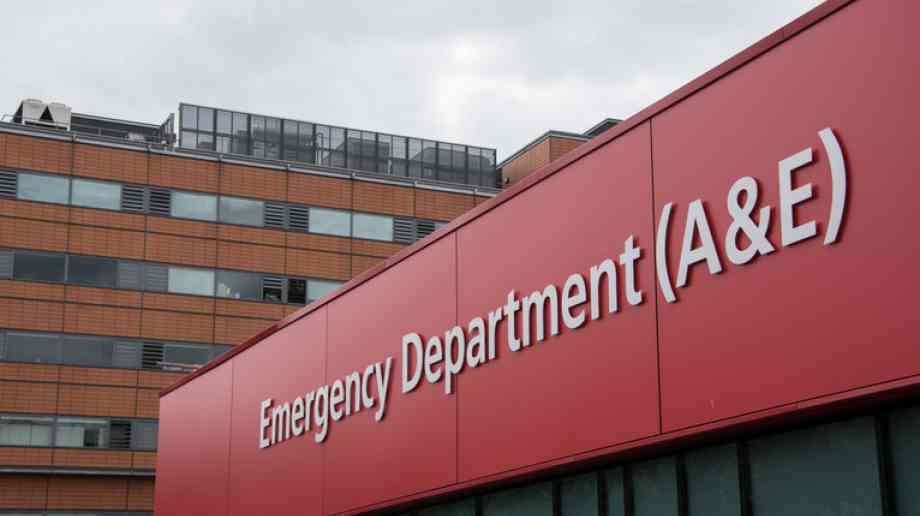
The Royal College of Emergency Medicine has warned that thousands of patients a year are dying because of overcrowding in A&E units in Britain, and more fatalities will follow this winter.
Figures indicate that an estimated 4,519 people in England died in 2020-21 as a direct result of people receiving less than ideal care while delayed in A&E waiting to start treatment in the hospital. There have also been 709 deaths in Wales and 303 in Scotland so far this year for the same reason, with 566 excess deaths caused by overcrowding in Northern Ireland.
According to the RCEM report, the 4,519 in England ‘may be an underestimate’, but, nonetheless, the four figures taken together mean the college has identified at least 6,097 deaths across the four home nations that it believes occurred because overcrowding hampered the person’s treatment.
The RCEM’s findings come days after the Association of Ambulance Chief Executives disclosed that patients in England are dying in the back of ambulances, in hospital and also in their homes because there are too few ambulances to answer 999 calls.
The RCEM highlights that the government’s Getting It Right First Time programme, which aims to improve quality of care, has found a patient’s risk of dying rises the longer they spend in an A&E. Doctors have warned that hospitals are becoming dangerously full because of coronavirus and their inability to discharge patients who are medically fit to leave, which leads to a severe logjam in A&E.
Matthew Taylor, the chief executive of the NHS Confederation, said: “Overcrowding in emergency departments is not merely inconveniencing patients during their visits to hospital, it’s costing thousands of lives. This report again shows why healthcare leaders are sounding the alarm, with the health service now under critical and unsustainable pressure.”
Latest News

16/02/2024 - 12:56
Hammersmith and Fulham Council has created a new alliance intended to clean dirty air and improve residents' health.

16/02/2024 - 10:44
Two million more GP appointments a month are being delivered for patients compared to the same month before the pandemic as part of the NHS primary care access recovery plan according to new NHS data.

15/02/2024 - 10:26
The Welsh Government has provided innovation funding of £380,000 to support two projects utilising technology in domiciliary care.

15/02/2024 - 10:13
The new Scottish health secretary has met with frontline staff at Queen Elizabeth University Hospital in Glasgow.

14/02/2024 - 10:27
The North East London NHS Foundation Trust (NELFT) has appointed three new Executive Directors to the Trust Board.
Product Features

UK Building Regulations highlight toxic gas and smoke from layers of paint built up over multiple redecorations as a major cause of permanent ill health or death in a building fire.
Their concern rose with discovery the flame retardant paints most widely used paint along escape routes have been ones which to this day counter-productively use emission of heavy toxic gas to smother flames which rapidly spread along walls if layers of paint delaminate in a fire.
Supplier Profiles

Northwich’s Victoria Infirmary (VIN) Community Diagnostic Centre (CDC) has enabled more patients

Adveco, the commercial hot water specialist, announces the launch of live metering of domestic ho
Latest Features

Sarah Greenslade, public affairs and communications officer at the British Parking Association looks at some of the problems and innovations in healthcare parking

It’s easy to assume that the comms team is there to handle press enquiries and the occasional social media storm – but the reality is that strategic communications can make a measurable impact across the entire organisation, from operational to financial, when done properly


