
This story was first published in digitalhealth.net

Health Secretary Said Javid has genome sequenced
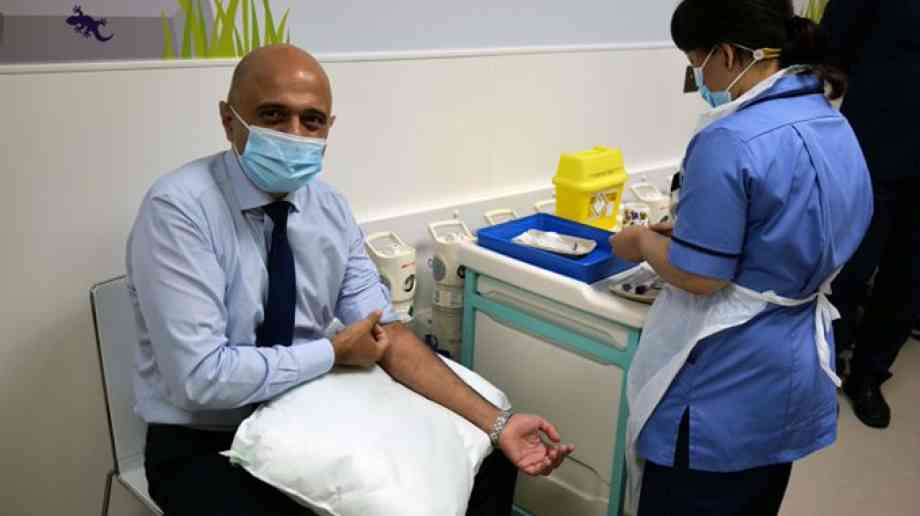
Health and Social Care Secretary Sajid Javid has provided a blood sample for a genomic sequencing programme at Great Ormond Street Hospital aimed at tackling disparities in health.
Genomics England’s Diverse Data Initiative is working in collaboration with researchers and the NHS to ensure their life-changing work to sequence genomes benefits everyone, regardless of their ethnic, socio-economic or geographic background.
Javid’s data will be analysed by researchers to help speed up diagnoses and develop new treatments for patients with cancer and rare diseases as part of ongoing efforts to make healthcare more diverse and inclusive. By taking part in the initiative, the Health Secretary is now part of a community of research participants whose data is stored securely and anonymously by Genomics England among over 140,000 human genomes.
Genomics England is helping to reduce health inequalities by working in partnership with communities to analyse data from an increasingly diverse population, to rapidly improve the representation of under-represented groups in genetic data sets and research.
Javid said: “I am extremely proud to be taking part in this study which is helping make sure that everyone, no matter their background, can benefit from our world-leading genomic research programmes. Genomics England’s vital initiative will sequence the genomes of those who are under-represented in research data so that we can develop better treatments and transform healthcare for all.”
Chris Wigley, CEO of Genomics England, said: “Genomics has the potential to transform healthcare. The technology can provide new and faster diagnoses and enable the development of life-changing treatments for those with rare diseases, cancer and other conditions. However, it has to work for all of us, and those who have non-European ancestry have been under-represented in research data and therefore risk not getting equal benefit as this comes into the mainstream of patient care. Through our Diverse Data Initiative we are making important progress in addressing that problem.”
Latest News

16/02/2024 - 12:56
Hammersmith and Fulham Council has created a new alliance intended to clean dirty air and improve residents' health.

16/02/2024 - 10:44
Two million more GP appointments a month are being delivered for patients compared to the same month before the pandemic as part of the NHS primary care access recovery plan according to new NHS data.

15/02/2024 - 10:26
The Welsh Government has provided innovation funding of £380,000 to support two projects utilising technology in domiciliary care.

15/02/2024 - 10:13
The new Scottish health secretary has met with frontline staff at Queen Elizabeth University Hospital in Glasgow.

14/02/2024 - 10:27
The North East London NHS Foundation Trust (NELFT) has appointed three new Executive Directors to the Trust Board.
Product Features

UK Building Regulations highlight toxic gas and smoke from layers of paint built up over multiple redecorations as a major cause of permanent ill health or death in a building fire.
Their concern rose with discovery the flame retardant paints most widely used paint along escape routes have been ones which to this day counter-productively use emission of heavy toxic gas to smother flames which rapidly spread along walls if layers of paint delaminate in a fire.
Supplier Profiles

Northwich’s Victoria Infirmary (VIN) Community Diagnostic Centre (CDC) has enabled more patients

Adveco, the commercial hot water specialist, announces the launch of live metering of domestic ho
Latest Features

Sarah Greenslade, public affairs and communications officer at the British Parking Association looks at some of the problems and innovations in healthcare parking

It’s easy to assume that the comms team is there to handle press enquiries and the occasional social media storm – but the reality is that strategic communications can make a measurable impact across the entire organisation, from operational to financial, when done properly


