
This story was first published in digitalhealth.net

‘Grab-a-jab’ initiative boosts ethnic minority vaccinations
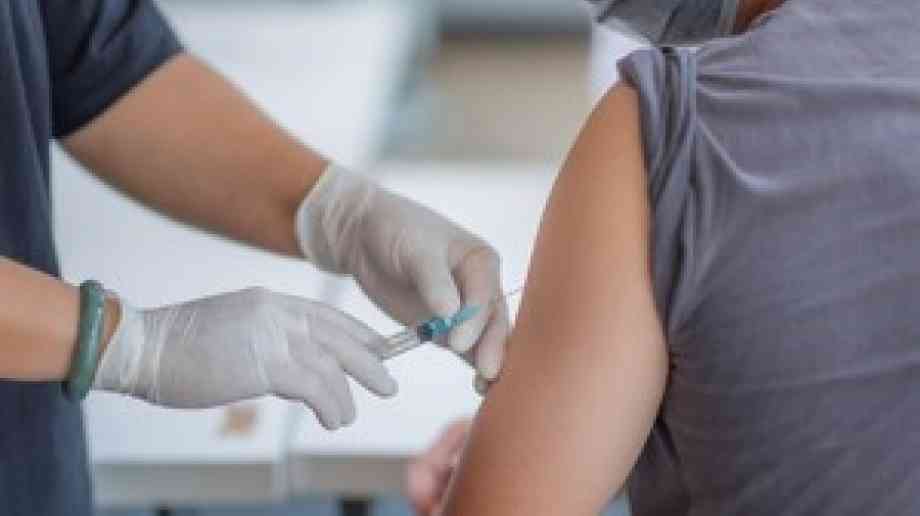
The Covid vaccination programme has protected more than 700,000 people from ethnic minority backgrounds since rolling out the grab-a-jab campaign.
An analysis of one grab-a-jab weekend in July found that two in five of the 80,000 walk-in doses administered were to people from ethnic minority groups, significantly more than the proportion in the wider community.
The fastest growth in vaccinations was from people of mixed Asian and white backgrounds between 20 June and 22 August, with numbers growing by a quarter from 81,000 to 101,000, closely followed by mixed white and Black African groups.
There was also a significant increase in people from Black communities getting the jab with 142,000 people receiving their first dose of the life-saving vaccine. More than three in five of those were Black African, with the number of people getting a first dose increasing by 20.9 per cent.
Dr Nikki Kanani, NHS medical director of primary care and deputy lead for the vaccination programme, said: “Increasing vaccine confidence has been at the heart of the NHS rollout and staff who know and care for their local communities are continuing to go above and beyond to set up sites that meet their patients’ needs.
“This hard work is paying off and we are protecting people that were previously reluctant to get the vaccine, building on work we have already done, such as tackling misinformation online, translating materials into more than 20 languages and working with faith and community leaders to promote the vaccine’s safety.
“The vaccine is safe, effective and could save your life, and if you have any lingering questions or concerns, please come forward and speak to a trusted healthcare professional.”
The NHS outlined its action plan to tackle vaccine hesitancy in February, which included tackling misinformation online with social media firms, translating materials into more than 20 languages, and working with faith and community leaders to promote the vaccine’s safety.
The NHS also committed early on to publishing a regular breakdown of stats among ethnic groups and worked with local systems to make the vaccine as accessible as possible such as through pop-up clinics in places of worship and extended opening hours during Ramadan for 'Twilight' clinics.
Latest News

16/02/2024 - 12:56
Hammersmith and Fulham Council has created a new alliance intended to clean dirty air and improve residents' health.

16/02/2024 - 10:44
Two million more GP appointments a month are being delivered for patients compared to the same month before the pandemic as part of the NHS primary care access recovery plan according to new NHS data.

15/02/2024 - 10:26
The Welsh Government has provided innovation funding of £380,000 to support two projects utilising technology in domiciliary care.

15/02/2024 - 10:13
The new Scottish health secretary has met with frontline staff at Queen Elizabeth University Hospital in Glasgow.

14/02/2024 - 10:27
The North East London NHS Foundation Trust (NELFT) has appointed three new Executive Directors to the Trust Board.
Product Features

UK Building Regulations highlight toxic gas and smoke from layers of paint built up over multiple redecorations as a major cause of permanent ill health or death in a building fire.
Their concern rose with discovery the flame retardant paints most widely used paint along escape routes have been ones which to this day counter-productively use emission of heavy toxic gas to smother flames which rapidly spread along walls if layers of paint delaminate in a fire.
Supplier Profiles

Northwich’s Victoria Infirmary (VIN) Community Diagnostic Centre (CDC) has enabled more patients

Adveco, the commercial hot water specialist, announces the launch of live metering of domestic ho
Latest Features

Sarah Greenslade, public affairs and communications officer at the British Parking Association looks at some of the problems and innovations in healthcare parking

It’s easy to assume that the comms team is there to handle press enquiries and the occasional social media storm – but the reality is that strategic communications can make a measurable impact across the entire organisation, from operational to financial, when done properly


