
This story was first published in digitalhealth.net

Warning over potential roof collapses at hospitals
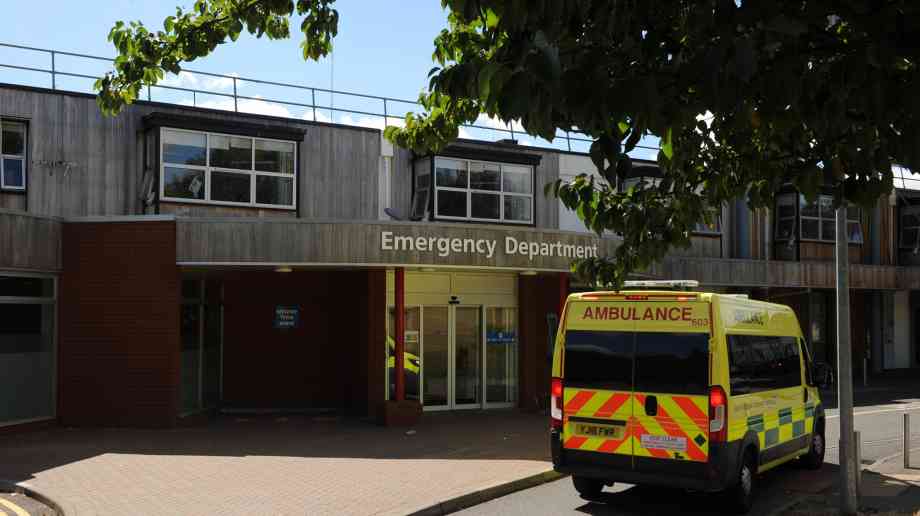
NHS England hospitals have sounded the alarm over materials used in roofs that reached the end of their lifespan more than a decade ago.
Several hospitals are warning of the potential for roof collapses due to structural weaknesses in the reinforced concrete planks used in their construction between the 1960s and 1980s, which have a 30-year lifespan.
According to reports, North West Anglia NHS foundation trust wrote in its annual plan that the poor condition of the main theatres in Hinchingbrooke hospital in Huntingdon, Cambridgeshire, posed a significant risk to elective care. Published in June, the plan said that the hospital had been forced to restrict the use of some theatres to patients weighing less than 120kg.
Since the report, more structural surveys have been undertaken and the hospital is able to use just one of its seven operating theatres for patients weighing more than 120kg. The hospital said it had received £13m this year to cover the costs of surveys and repairs.
Leaked reports to the BBC show that West Suffolk hospital, which has a similar design to Hinchingbrooke, had hired a law firm to investigate the potential for corporate manslaughter charges in the event of a fatal roof collapse, while hospital trusts in eastern England had produced an emergency plan outlining what would happen in the event of ‘significant hospital structural failure’.
An initial risk assessment that warned of an ‘almost certain’ plank collapse, which would have ‘catastrophic’ consequences. The risk level has since been downgraded to ‘likely’ in response to West Suffolk launching a multimillion-pound safety works programme, though it is understood this will not be completed until spring 2023.
NHS England said the affected trusts were maintaining safe services and were regularly required to manage complex estates repairs, including roofing work. It added that training exercises were regularly conducted in the interests of safety and preparedness.
Latest News

16/02/2024 - 12:56
Hammersmith and Fulham Council has created a new alliance intended to clean dirty air and improve residents' health.

16/02/2024 - 10:44
Two million more GP appointments a month are being delivered for patients compared to the same month before the pandemic as part of the NHS primary care access recovery plan according to new NHS data.

15/02/2024 - 10:26
The Welsh Government has provided innovation funding of £380,000 to support two projects utilising technology in domiciliary care.

15/02/2024 - 10:13
The new Scottish health secretary has met with frontline staff at Queen Elizabeth University Hospital in Glasgow.

14/02/2024 - 10:27
The North East London NHS Foundation Trust (NELFT) has appointed three new Executive Directors to the Trust Board.
Product Features

UK Building Regulations highlight toxic gas and smoke from layers of paint built up over multiple redecorations as a major cause of permanent ill health or death in a building fire.
Their concern rose with discovery the flame retardant paints most widely used paint along escape routes have been ones which to this day counter-productively use emission of heavy toxic gas to smother flames which rapidly spread along walls if layers of paint delaminate in a fire.
Supplier Profiles

Northwich’s Victoria Infirmary (VIN) Community Diagnostic Centre (CDC) has enabled more patients

Adveco, the commercial hot water specialist, announces the launch of live metering of domestic ho
Latest Features

Sarah Greenslade, public affairs and communications officer at the British Parking Association looks at some of the problems and innovations in healthcare parking

It’s easy to assume that the comms team is there to handle press enquiries and the occasional social media storm – but the reality is that strategic communications can make a measurable impact across the entire organisation, from operational to financial, when done properly


