
This story was first published in digitalhealth.net

Some trusts are saying 'it's the busiest it has ever been'
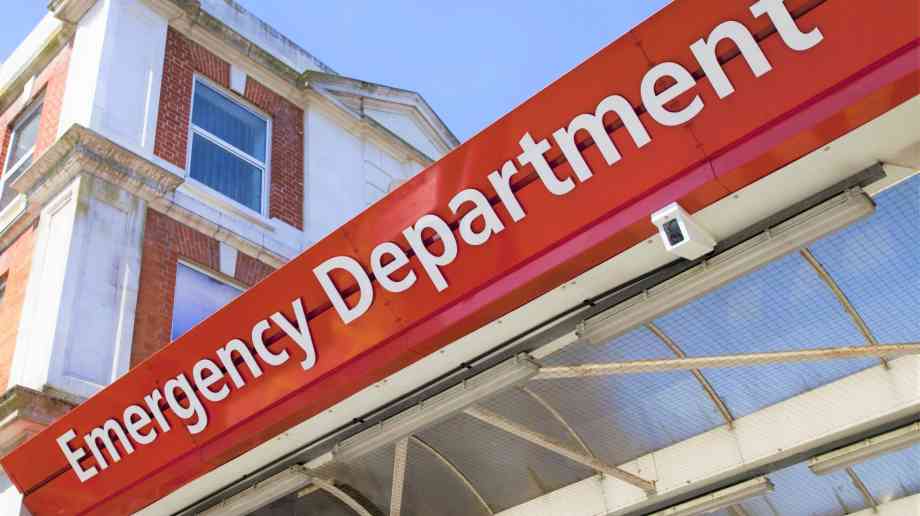
Ahead of the publication of monthly NHS performance statistics, NHS Providers chief executive Chris Hopson has warned that trust leaders say they are currently dealing with a very difficult combination of six different pressures all at once.
The latest NHS performance statistics are expected to show that every part of the health service is under huge pressure, despite the lower levels of coronavirus hospital cases compared to predictions a month ago.
Discussing the way in which trusts are dealing with a ‘very difficult combination of six different pressures all at once’, Hopson said: "First, they're recovering care backlogs at full pelt but going at this speed inevitably puts pressure on staff, beds and equipment. Alongside this, hospital trusts are working with much lower bed capacity because of continuing enhanced infection control measures. This is a major challenge given the NHS didn't have enough beds before the pandemic started. Staffing levels have now become a critical issue for many trusts.
"Third, trust leaders say they still have large numbers of staff self-isolating. While the changes announced to help the NHS in mid-July have had some effect, the impact has not been anywhere near as big as predicted or hoped for. Trusts cannot wait for the further changes to self-isolation rules on 16 August.
"Fourth, trusts are now in peak summer leave period, with more leave being taken than normal, where possible, because of leave that couldn't be taken in earlier waves of Covid-19.
"Fifth, demand for urgent and emergency care is exceeding the levels we saw before the Covid-19 pandemic. The pressure varies from trust to trust but some trusts, for example, those in holiday hotspots are being particularly hard hit and some have seen their highest ever levels of urgent care demand over the last few weeks.
"Finally, although the 5,000 Covid-19 patients we've seen in hospital over the last fortnight is lower than many were predicting, it's still a significant pressure, particularly in hospitals with high bed occupancy for other reasons. For example, the higher level of emergency admissions many trusts are seeing and the pressure on beds from backlog recovery.”
Latest News

16/02/2024 - 12:56
Hammersmith and Fulham Council has created a new alliance intended to clean dirty air and improve residents' health.

16/02/2024 - 10:44
Two million more GP appointments a month are being delivered for patients compared to the same month before the pandemic as part of the NHS primary care access recovery plan according to new NHS data.

15/02/2024 - 10:26
The Welsh Government has provided innovation funding of £380,000 to support two projects utilising technology in domiciliary care.

15/02/2024 - 10:13
The new Scottish health secretary has met with frontline staff at Queen Elizabeth University Hospital in Glasgow.

14/02/2024 - 10:27
The North East London NHS Foundation Trust (NELFT) has appointed three new Executive Directors to the Trust Board.
Product Features

UK Building Regulations highlight toxic gas and smoke from layers of paint built up over multiple redecorations as a major cause of permanent ill health or death in a building fire.
Their concern rose with discovery the flame retardant paints most widely used paint along escape routes have been ones which to this day counter-productively use emission of heavy toxic gas to smother flames which rapidly spread along walls if layers of paint delaminate in a fire.
Supplier Profiles

Northwich’s Victoria Infirmary (VIN) Community Diagnostic Centre (CDC) has enabled more patients

Adveco, the commercial hot water specialist, announces the launch of live metering of domestic ho
Latest Features

Sarah Greenslade, public affairs and communications officer at the British Parking Association looks at some of the problems and innovations in healthcare parking

It’s easy to assume that the comms team is there to handle press enquiries and the occasional social media storm – but the reality is that strategic communications can make a measurable impact across the entire organisation, from operational to financial, when done properly


