
This story was first published in digitalhealth.net

Additional NHS support to cover cost of hospital travel
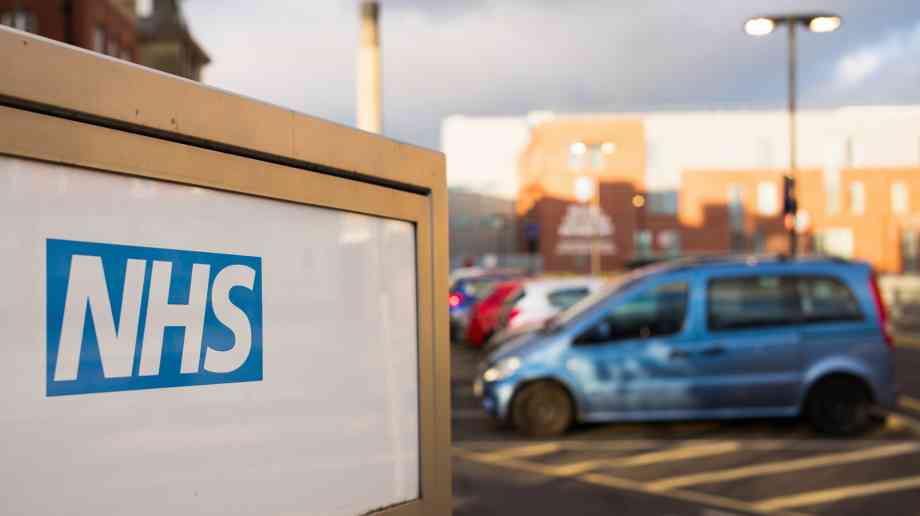
The NHS in England has announced that new rules will come into place to make it simpler for patients to get free transport, including those with long term conditions and mobility problems.
The new offer have been developed in partnership with patient groups and will be used and funded by local health systems when arranging transport services for people in their areas. A patient or their family will be offered appropriate transport or be able to claim a refund of reasonable travel, when they are referred to hospital or other NHS premises for specialist NHS treatment or diagnostic tests.
After a full public consultation period, the updated criteria would mean all 21,000 kidney dialysis patients will be eligible for free transport to hospital appointments.
Around 11 million patient transport journeys are taken every year in England, covering a combined 140 million miles – accounting for around a fifth of direct NHS transport emissions.
As well as improving the experience of patients who need to make these journeys, the plan will introduce requirements to reduce their environmental cost, supporting the health service’s world-leading ambition to achieve net zero carbon emissions by 2045.
Among the specific measures announced include: a new universal transport support offer for patients travelling to and from renal dialysis; overhauling the Healthcare Travel Costs Scheme to make it easier for people on a low income to claim back journey costs; and a commitment to 100 per cent zero emissions journeys by 2035, except for ambulance journeys and volunteers driving their own cars.
Professor Stephen Powis, the NHS’s national medical director, said: “The NHS is easing the health and financial costs of long-term conditions. Digital, video and phone consultations all have their part to play, but each year patients still need millions of convenient face-to-face appointments with hospitals and GPs. That’s why these new arrangements – developed in partnership with patients’ groups – will make it easier to get convenient NHS care, while easing the financial burden of long-term health conditions and helping reduce the health service’s carbon footprint.”
Fiona Loud, Policy Director of Kidney Care UK, said: “As a member of the NEPTS Review Expert Advisory Group, we are delighted to welcome the universal transport support commitment for all of the 21,000 kidney patients on dialysis, who receive their treatment in hospitals or satellite units.
“For far too long we have heard about the variable and often difficult experiences many individuals have when travelling for their life-sustaining treatment, with transport regularly at the bottom of Kidney Care UK’s annual survey of patient experience. These new proposals show a real determination to improve patient care. National data, including waiting times, will be monitored and published, providing a real opportunity to improve the day to day experience for people who have to make over 300 journeys a year to get to and from their life-maintaining treatments.”
Latest News

16/02/2024 - 12:56
Hammersmith and Fulham Council has created a new alliance intended to clean dirty air and improve residents' health.

16/02/2024 - 10:44
Two million more GP appointments a month are being delivered for patients compared to the same month before the pandemic as part of the NHS primary care access recovery plan according to new NHS data.

15/02/2024 - 10:26
The Welsh Government has provided innovation funding of £380,000 to support two projects utilising technology in domiciliary care.

15/02/2024 - 10:13
The new Scottish health secretary has met with frontline staff at Queen Elizabeth University Hospital in Glasgow.

14/02/2024 - 10:27
The North East London NHS Foundation Trust (NELFT) has appointed three new Executive Directors to the Trust Board.
Product Features

UK Building Regulations highlight toxic gas and smoke from layers of paint built up over multiple redecorations as a major cause of permanent ill health or death in a building fire.
Their concern rose with discovery the flame retardant paints most widely used paint along escape routes have been ones which to this day counter-productively use emission of heavy toxic gas to smother flames which rapidly spread along walls if layers of paint delaminate in a fire.
Supplier Profiles

Northwich’s Victoria Infirmary (VIN) Community Diagnostic Centre (CDC) has enabled more patients

Adveco, the commercial hot water specialist, announces the launch of live metering of domestic ho
Latest Features

Sarah Greenslade, public affairs and communications officer at the British Parking Association looks at some of the problems and innovations in healthcare parking

It’s easy to assume that the comms team is there to handle press enquiries and the occasional social media storm – but the reality is that strategic communications can make a measurable impact across the entire organisation, from operational to financial, when done properly


