
This story was first published in digitalhealth.net

Landmark change to blood donation eligibility rules
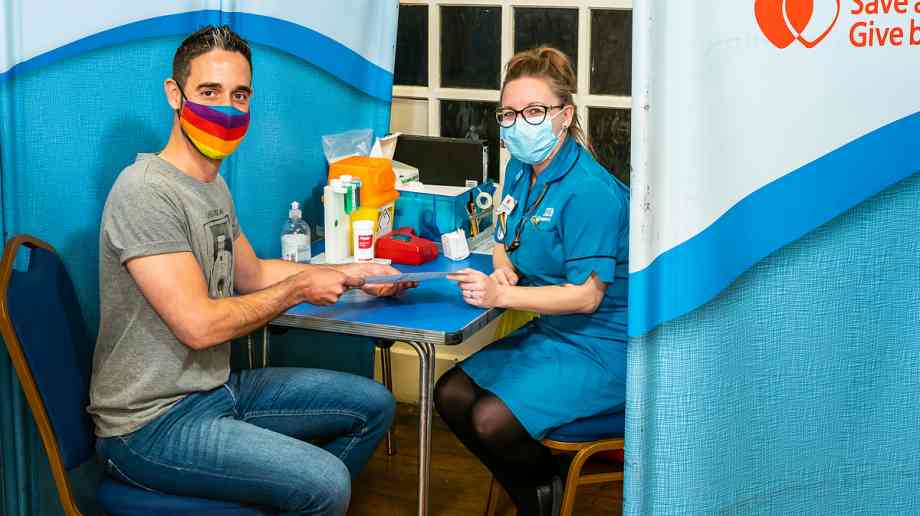
New eligibility rules that will allow more men who have sex with men to donate blood, platelets and plasma come into effect this week.
To mark World Blood Donor Day, the move is set to make blood donation more inclusive while keeping blood just as safe. It means that the questions asked of everyone when they come to donate blood in England, Scotland and Wales will change. Eligibility will be based on individual circumstances surrounding health, travel and sexual behaviours evidenced to be at a higher risk of sexual infection.
The change will see any individual who attends to give blood - regardless of gender - asked if they have had sex and, if so, about recent sexual behaviours. Anyone who has had the same sexual partner for the last three months will be eligible to donate.
The changes follow an evidence-based review into individualised criteria by the FAIR (For the Assessment of Individualised Risk) steering group led by NHS Blood and Transplant. FAIR concluded on a new donor selection system which is fairer and will also maintain the UK’s status as one of the safest blood supplies in the world. The findings were accepted in full by the government last December.
Ella Poppitt, Chief Nurse for Blood Donation at NHS Blood and Transplant, said: “Patient safety is at the heart of everything we do. This change is about switching around how we assess the risk of exposure to a sexual infection, so it is more tailored to the individual. We screen all donations for evidence of significant infections, which goes hand-in-hand with donor selection to maintain the safety of blood sent to hospitals. All donors will now be asked about sexual behaviours which might have increased their risk of infection, particularly recently acquired infections. This means some donors might not be eligible on the day but may be in the future.
“Our priority is to make sure that donors are able to answer the pre-donation questions in a setting that makes them feel comfortable and safe and donation is something that continues to make people feel amazing. Our staff have been trained to make sure these more personal conversations are conducted with care and sensitivity and accurate information is captured. We are asking all blood, plasma and platelet donors to please consider the new questions alongside the existing health and travel questions before their appointment, and to re-schedule if they do not meet the changed criteria to donate right now.
“We want donation to be a positive experience and we are looking forward to welcoming donors as we move forward with these changes.”
Latest News

16/02/2024 - 12:56
Hammersmith and Fulham Council has created a new alliance intended to clean dirty air and improve residents' health.

16/02/2024 - 10:44
Two million more GP appointments a month are being delivered for patients compared to the same month before the pandemic as part of the NHS primary care access recovery plan according to new NHS data.

15/02/2024 - 10:26
The Welsh Government has provided innovation funding of £380,000 to support two projects utilising technology in domiciliary care.

15/02/2024 - 10:13
The new Scottish health secretary has met with frontline staff at Queen Elizabeth University Hospital in Glasgow.

14/02/2024 - 10:27
The North East London NHS Foundation Trust (NELFT) has appointed three new Executive Directors to the Trust Board.
Product Features

UK Building Regulations highlight toxic gas and smoke from layers of paint built up over multiple redecorations as a major cause of permanent ill health or death in a building fire.
Their concern rose with discovery the flame retardant paints most widely used paint along escape routes have been ones which to this day counter-productively use emission of heavy toxic gas to smother flames which rapidly spread along walls if layers of paint delaminate in a fire.
Supplier Profiles

Northwich’s Victoria Infirmary (VIN) Community Diagnostic Centre (CDC) has enabled more patients

Adveco, the commercial hot water specialist, announces the launch of live metering of domestic ho
Latest Features

Sarah Greenslade, public affairs and communications officer at the British Parking Association looks at some of the problems and innovations in healthcare parking

It’s easy to assume that the comms team is there to handle press enquiries and the occasional social media storm – but the reality is that strategic communications can make a measurable impact across the entire organisation, from operational to financial, when done properly


