
This story was first published in digitalhealth.net

NHS rolls out body cams to boost ambulance crew safety
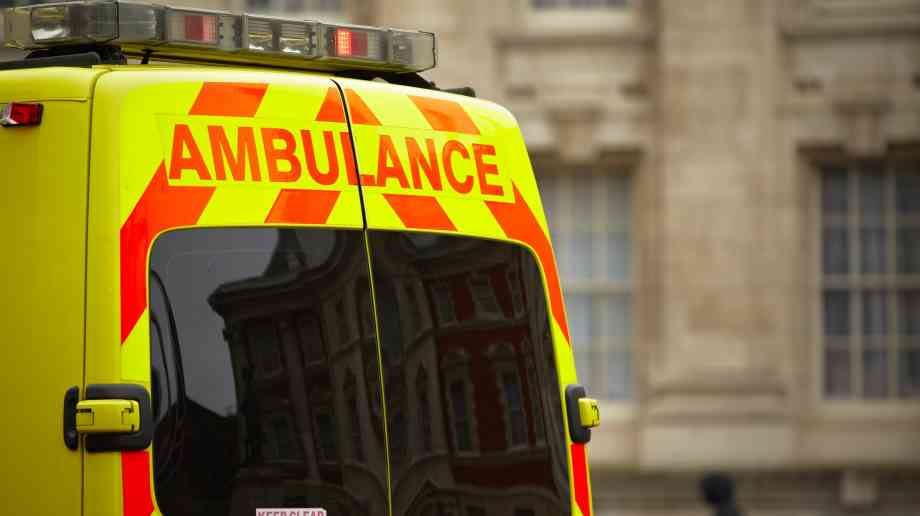
NHS England has announced that thousands of ambulance crews across the country will be provided with body cameras as part of a crackdown to reduce attacks on staff.
New data shows that 3,569 ambulance staff were physically assaulted by the public last year – 30 per cent more than five years ago.
Now, following successful trials in London and the North East, the NHS in England will roll out the cameras to crews in the 10 ambulance trusts across the country – three years ahead of the NHS Long Term Plan target.
Medics will wear the cameras and be able to press a button to start recording if patients or the public become aggressive or abusive, with filming made available to police where needed. Initial trial findings show the cameras make staff feel safer and can assist in de-escalating situations where staff are faced with someone being aggressive towards them.
The announcement follows the launch of the first ever national Violence Prevention and Reduction Standard at the beginning of the year, with every NHS trust in the country expected to publish a plan to tackle violence towards staff.
Prerana Isaar, Chief People Officer for the NHS, said: “Every member of our dedicated and hardworking NHS staff has the fundamental right to be safe at work and it is our priority to eliminate violence and abuse, which we will not tolerate.
“As well as reducing the number of incidents towards our staff, these cameras are a vital step towards ensuring our people feel safe too. The fact that we are rolling them out to all ten ambulance trusts three years ahead of schedule is testament to our commitment to tackling this problem and is nothing less than our staff deserve.”
Darren Green, clinical service manager at North East Ambulance Service, said: “Staff safety is one of our highest priorities; if we are unable to protect our staff, we are unable to provide a service that’s fit for purpose for the public we serve. The availability of body worn cameras for our staff is something that we have championed for a long time and so we are delighted to have led the trial to help implement them nationally.
“Nobody comes to work to be abused, but especially not by the people they have come to help. Sadly, these cameras are needed now more than ever.”
Latest News

16/02/2024 - 12:56
Hammersmith and Fulham Council has created a new alliance intended to clean dirty air and improve residents' health.

16/02/2024 - 10:44
Two million more GP appointments a month are being delivered for patients compared to the same month before the pandemic as part of the NHS primary care access recovery plan according to new NHS data.

15/02/2024 - 10:26
The Welsh Government has provided innovation funding of £380,000 to support two projects utilising technology in domiciliary care.

15/02/2024 - 10:13
The new Scottish health secretary has met with frontline staff at Queen Elizabeth University Hospital in Glasgow.

14/02/2024 - 10:27
The North East London NHS Foundation Trust (NELFT) has appointed three new Executive Directors to the Trust Board.
Product Features

UK Building Regulations highlight toxic gas and smoke from layers of paint built up over multiple redecorations as a major cause of permanent ill health or death in a building fire.
Their concern rose with discovery the flame retardant paints most widely used paint along escape routes have been ones which to this day counter-productively use emission of heavy toxic gas to smother flames which rapidly spread along walls if layers of paint delaminate in a fire.
Supplier Profiles

Northwich’s Victoria Infirmary (VIN) Community Diagnostic Centre (CDC) has enabled more patients

Adveco, the commercial hot water specialist, announces the launch of live metering of domestic ho
Latest Features

Sarah Greenslade, public affairs and communications officer at the British Parking Association looks at some of the problems and innovations in healthcare parking

It’s easy to assume that the comms team is there to handle press enquiries and the occasional social media storm – but the reality is that strategic communications can make a measurable impact across the entire organisation, from operational to financial, when done properly


