
This story was first published in digitalhealth.net

Use specialist hubs to cut surgery waiting times
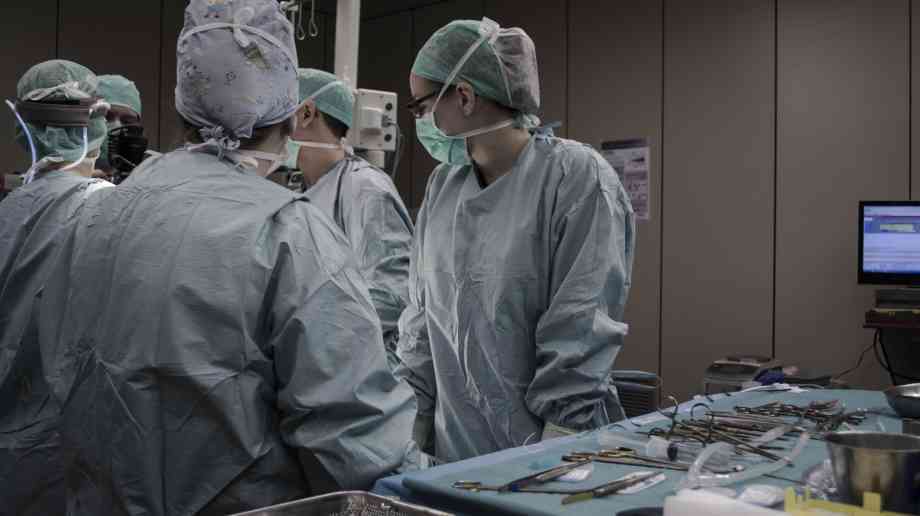
The Royal College of Surgeons of England has called on the government to agree a ‘New Deal for Surgery’, including creating ‘surgical hubs’ across the country to reduce the ‘colossal elective surgery backlog’.
The RCS is urging every Integrated Care System (ICS) in England to identify at least one 'surgical hub' where planned surgery can continue safely if the country is hit again by coronavirus, a new variant or a severe seasonal flu/winter pressures.
Latest figures show the largest ever recorded NHS waiting list in England of 4.95 million people, including over 400,000 (436,127) waiting over a year.
The college’s New Deal report makes 12 recommendations to government, including both long and short-term measures designed to improve the future sustainability of surgical services. This includes an additional £1 billion for surgery every year for the next five years and longer-term aims of increasing the number of hospital beds and doctors to reach the OECD average.
The proposals have already gained public support, with opinion polling, undertaken by Savanta ComRes on behalf of the college, finding that 78 per cent of UK adults agree that the government should continue to give the NHS £1 billion extra funding each year for the next six years to tackle long hospital waiting times.
Approaching six in ten UK adults say that if they needed an operation, it would be important for them to be treated in a ‘surgical hub’ hospital – defined as a hospital which is not treating coronavirus patients.
Professor Neil Mortensen, president of the Royal College of Surgeons of England, said: “We need government support for a ‘New Deal for Surgery’ to reduce the colossal backlog in elective surgery and to help the NHS weather future pandemics. Surgery must be available on the NHS all year-round, not stop and start. If a dangerous new variant of Covid-19 takes hold, or another bad flu arrives in the autumn, we cannot allow surgery to grind to a halt again or waiting lists will become insurmountable.
“The ‘surgical hub’ model is the best way we can keep treating people who need operations, regardless of future pandemics. But it requires being open to doing things differently. Throughout the pandemic, staff have gone wherever they are most needed, working flexibly and collaboratively to put patients’ interests first. Our patients have adapted too, with many outpatient consultations happening virtually, by telephone or video. Now we need politicians to be open to change too. They must accept that the services available at their nearest hospital may not be the same as before. Their voters are willing to travel to a surgical hub for an operation, even if it is not the nearest local hospital. Today we are explaining why it’s key the government and MPs embrace change and commit to longer term investment in surgery.”
Latest News

16/02/2024 - 12:56
Hammersmith and Fulham Council has created a new alliance intended to clean dirty air and improve residents' health.

16/02/2024 - 10:44
Two million more GP appointments a month are being delivered for patients compared to the same month before the pandemic as part of the NHS primary care access recovery plan according to new NHS data.

15/02/2024 - 10:26
The Welsh Government has provided innovation funding of £380,000 to support two projects utilising technology in domiciliary care.

15/02/2024 - 10:13
The new Scottish health secretary has met with frontline staff at Queen Elizabeth University Hospital in Glasgow.

14/02/2024 - 10:27
The North East London NHS Foundation Trust (NELFT) has appointed three new Executive Directors to the Trust Board.
Product Features

UK Building Regulations highlight toxic gas and smoke from layers of paint built up over multiple redecorations as a major cause of permanent ill health or death in a building fire.
Their concern rose with discovery the flame retardant paints most widely used paint along escape routes have been ones which to this day counter-productively use emission of heavy toxic gas to smother flames which rapidly spread along walls if layers of paint delaminate in a fire.
Supplier Profiles

Northwich’s Victoria Infirmary (VIN) Community Diagnostic Centre (CDC) has enabled more patients

Adveco, the commercial hot water specialist, announces the launch of live metering of domestic ho
Latest Features

Sarah Greenslade, public affairs and communications officer at the British Parking Association looks at some of the problems and innovations in healthcare parking

It’s easy to assume that the comms team is there to handle press enquiries and the occasional social media storm – but the reality is that strategic communications can make a measurable impact across the entire organisation, from operational to financial, when done properly


