
This story was first published in digitalhealth.net

Patients face long waits for scans 'due to radiology shortfall'
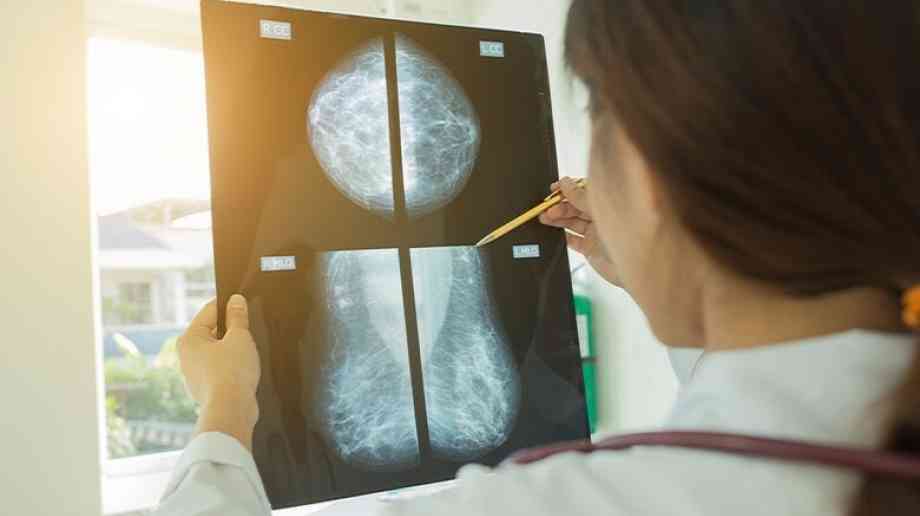
A new report from the Royal College of Radiologists has stressed that the NHS needs at least another 1,939 consultants across the UK to meet safe staffing levels and the demand for scans seen even before the pandemic.
The college warns that some doctors who stayed on during the pandemic are now set to leave, while its survey of radiology leaders at 164 UK trusts found that 58 per cent feel they do not have enough diagnostic and interventional radiologists to keep patients safe.
Half of trusts and health boards in the UK reported not having the staff or transfer arrangements needed to run safe 24/7 interventional radiology services, meaning patients are potentially missing out on life-saving procedures.
The RCR said that the UK’s radiologist shortfall will hit 44 per cent by 2025 unless more consultants are trained and there is better staff retention and recruitment.
The college said the UK has reached a ‘tipping point’ when it comes to radiology staffing, with shortages posing a serious threat to NHS recovery. As a result, it said patients are facing ‘long, anxious and inevitable’ waits for diagnosis and surgery.
Mark Callaway, radiology workforce lead at the RCR, said: “Our new report has found the NHS needs thousands more radiologists to ensure patients get the safe and effective treatment they deserve, amplified by the first-hand experience of frontline doctors who witness the impact of consultant shortages on patient care on a daily basis. The staffing forecast for 2025 makes grim reading but, even more worryingly, swathes of demoralised radiologists are imminently looking to work less or leave the NHS.”
Jonathan Ashworth, Labour’s Shadow Health Secretary, commented: “Years of underfunding and cutbacks meant we entered the crisis with waiting lists growing and targets for cancer treatment missed and these have only continued to grow during the pandemic. It is now crucial that there is an NHS rescue plan that includes a proper plan to recruit and train the NHS staff we need to bring down waiting lists and leave services fully staffed for the future. And we need the very best cutting edge technology and equipment to deliver the standards of care people deserve.
“Leaving patients in limbo waiting for tests and treatment risks their condition worsening leading to permanent disability, loss of livelihood and tragically for some loss of life – Ministers must put patients first and do all they can to bring down these spiralling waiting lists.”
Latest News

16/02/2024 - 12:56
Hammersmith and Fulham Council has created a new alliance intended to clean dirty air and improve residents' health.

16/02/2024 - 10:44
Two million more GP appointments a month are being delivered for patients compared to the same month before the pandemic as part of the NHS primary care access recovery plan according to new NHS data.

15/02/2024 - 10:26
The Welsh Government has provided innovation funding of £380,000 to support two projects utilising technology in domiciliary care.

15/02/2024 - 10:13
The new Scottish health secretary has met with frontline staff at Queen Elizabeth University Hospital in Glasgow.

14/02/2024 - 10:27
The North East London NHS Foundation Trust (NELFT) has appointed three new Executive Directors to the Trust Board.
Product Features

UK Building Regulations highlight toxic gas and smoke from layers of paint built up over multiple redecorations as a major cause of permanent ill health or death in a building fire.
Their concern rose with discovery the flame retardant paints most widely used paint along escape routes have been ones which to this day counter-productively use emission of heavy toxic gas to smother flames which rapidly spread along walls if layers of paint delaminate in a fire.
Supplier Profiles

Northwich’s Victoria Infirmary (VIN) Community Diagnostic Centre (CDC) has enabled more patients

Adveco, the commercial hot water specialist, announces the launch of live metering of domestic ho
Latest Features

Sarah Greenslade, public affairs and communications officer at the British Parking Association looks at some of the problems and innovations in healthcare parking

It’s easy to assume that the comms team is there to handle press enquiries and the occasional social media storm – but the reality is that strategic communications can make a measurable impact across the entire organisation, from operational to financial, when done properly


