
This story was first published in digitalhealth.net

Shielding to stop from start of April
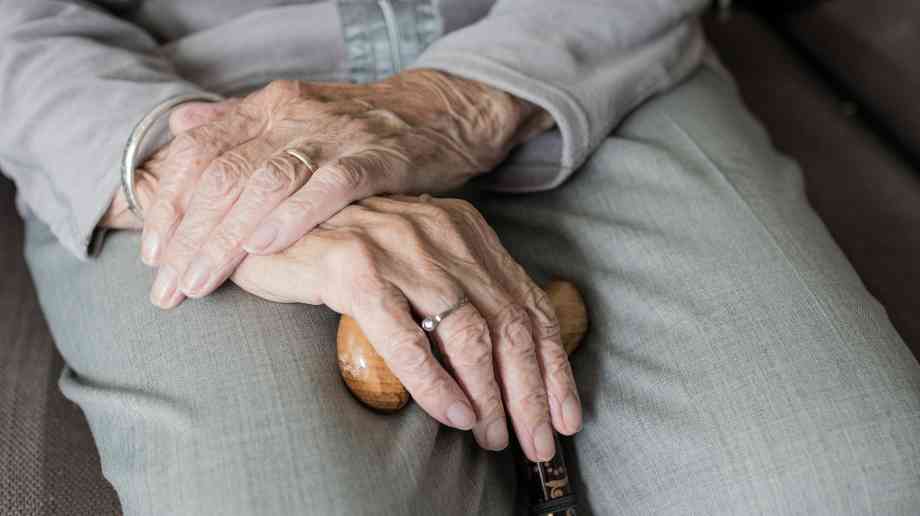
More than 3.79 million clinically extremely vulnerable people in England will be informed they are no longer advised to shield from Thursday 1 April 2021.
In line with the government’s roadmap out of lockdown, published last month, those on the shielded patient list can begin to follow the national restrictions alongside the rest of the population, but are still advised to take extra precautions to keep themselves safe from coronavirus.
Letters to patients with updated guidance will be arriving over the next two weeks, setting out practical steps people can follow to reduce their risk of catching the virus, including continuing to maintain strict social distancing and to keep their overall social contacts at low levels, such as working from home where possible.
The move follows the steady decrease in the number of coronavirus cases and hospitalisations across the country for the last couple of weeks.
With the success of the UK’s vaccination programme, more than nine in 10 clinically extremely vulnerable people are now vaccinated with their first dose, but it’s still important people continue to follow the national rules and take the additional precautions set out in the guidance to keep themselves as protected as possible.
Local councils and supermarkets will continue to provide support for those shielding until 31 March. If people have already registered for priority access to supermarket delivery slots, they will continue to be able to access these until 21 June 2021.
Deputy Chief Medical Officer for England, Dr Jenny Harries, said: "Shielding has always been an advisory measure to safeguard those who are the most clinically vulnerable in our communities. We recognise how difficult this period has been for so many and the impact it has had on people’s wellbeing.
"With the prevalence of the virus in the community continuing to decrease now is the right time for people to start thinking about easing up on these more rigid guidelines. If you have been shielding, we strongly urge you to take extra precautions following 1 April to keep yourself as safe as possible, such as continuing to observe social distancing and working from home. We will continue to monitor all of the evidence and adjust this advice should there be any changes in infection rates."
People are still advised to continue working from home where possible, but if people are unable to do so, employers are required by law to take steps to make workplaces Covid-19 secure and should discuss this with their employees.
Latest News

16/02/2024 - 12:56
Hammersmith and Fulham Council has created a new alliance intended to clean dirty air and improve residents' health.

16/02/2024 - 10:44
Two million more GP appointments a month are being delivered for patients compared to the same month before the pandemic as part of the NHS primary care access recovery plan according to new NHS data.

15/02/2024 - 10:26
The Welsh Government has provided innovation funding of £380,000 to support two projects utilising technology in domiciliary care.

15/02/2024 - 10:13
The new Scottish health secretary has met with frontline staff at Queen Elizabeth University Hospital in Glasgow.

14/02/2024 - 10:27
The North East London NHS Foundation Trust (NELFT) has appointed three new Executive Directors to the Trust Board.
Product Features

UK Building Regulations highlight toxic gas and smoke from layers of paint built up over multiple redecorations as a major cause of permanent ill health or death in a building fire.
Their concern rose with discovery the flame retardant paints most widely used paint along escape routes have been ones which to this day counter-productively use emission of heavy toxic gas to smother flames which rapidly spread along walls if layers of paint delaminate in a fire.
Supplier Profiles

Northwich’s Victoria Infirmary (VIN) Community Diagnostic Centre (CDC) has enabled more patients

Adveco, the commercial hot water specialist, announces the launch of live metering of domestic ho
Latest Features

Sarah Greenslade, public affairs and communications officer at the British Parking Association looks at some of the problems and innovations in healthcare parking

It’s easy to assume that the comms team is there to handle press enquiries and the occasional social media storm – but the reality is that strategic communications can make a measurable impact across the entire organisation, from operational to financial, when done properly


