
This story was first published in digitalhealth.net

NHS organisations instructed to rapidly vaccinate staff
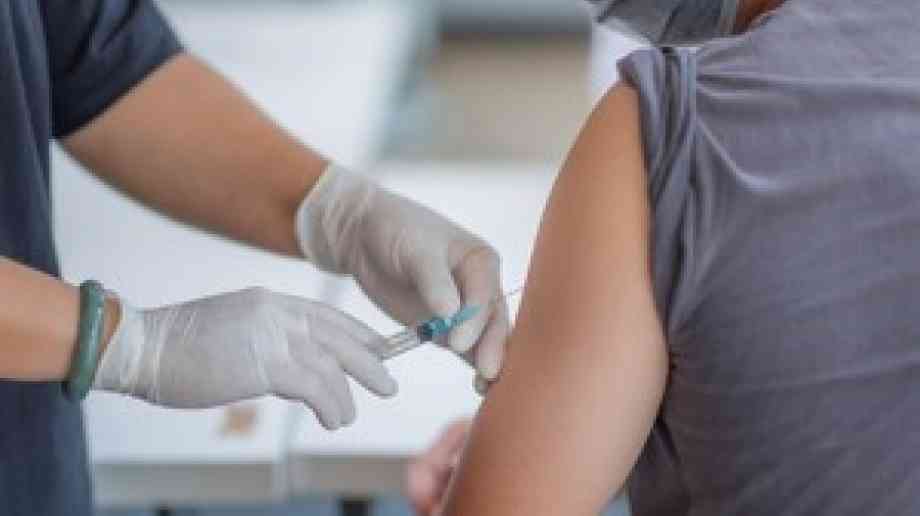
NHS England has written to trusts across the UK to outline plans to vaccinate all frontline staff against coronavirus following the rollout of the Oxford-AstraZeneca vaccine.
From the middle of January, all NHS trusts will be able to provide vaccinations for local healthcare and social care workers, which will be critical in keeping both them and patients safe. The jab will be offered to all staff across NHS services, including those who work in general practices, pharmacies, dentists and other primary and secondary care settings.
It will also be available to ambulance trusts, volunteers and all independent providers, such as community-based mental health services.
Local Clinical Commissioning Groups (CCG) will co-ordinate the details for all staff on how and when to get their jab, and local vaccination centres will also be able to deliver jabs at short notice in order to prevent wastage.
Clinics will be scaled up to enable vaccinations to take place seven days a week and health and social care workers will be invited to book appointments.
While the priority so far has been to deliver the vaccine to those most in need, a number of staff will have already received their first dose. NHS England and the Department of Health and Social Care say that the aim is to have made significant progress in immunising all frontline staff by the first week of February and uptake will be continuously monitored.
The vaccination of workers will be prioritised based on local risk assessments, which will consider factors such as face-to-face contact time, underlying health conditions and whether people are from black, Asian and minority ethnic (BAME) backgrounds, all of which are proven risk factors.
The procedure of rolling the vaccine out to staff will be very similar to that of flu vaccinations, which this winter had a high uptake of almost 75 per cent.
Ruth May, Chief Nursing Officer for NHS England, said: “This is the biggest vaccination programme in NHS history and as we move to the next phase of the rollout, it is only right that we prioritise the NHS staff who have been on the frontline of this global pandemic. We will be prioritising the nurses, doctors and other frontline staff who continue to work tirelessly, before administering the vaccine to almost all health and social care staff by mid-February.”
It will also be the responsibility of local authorities to ensure that all social care workers are able to receive their jabs and they will similarly be contacted directly. All social care workers will be eligible for the jab regardless of whether they work in hospitals, people’s homes or another setting, or who employs them.
Danny Mortimer, chief executive of NHS Confederation, said: “It is right to prioritise frontline health and care staff for Covid-19 vaccinations – irrespective of which part of the health and care sector they work in or whether they are a student or volunteer. Today’s guidance is something our members have been calling for and so it offers very welcome clarity on how staff will be vaccinated.
“Indeed, there has been a significant increase in staff absences relating to Covid-19, and staff are rightly very concerned about how they could work safely. So it is essential that staff are vaccinated as soon as possible, not just so that they can get back to work, but because it is a basic principle that we should do our utmost to protect the NHS’ best assets: our people. It will be logistically challenging to implement on top of so many existing pressures, and the timescales are ambitious, but we need our staff to be protected from infection and hopefully remain Covid-free.”
Latest News

16/02/2024 - 12:56
Hammersmith and Fulham Council has created a new alliance intended to clean dirty air and improve residents' health.

16/02/2024 - 10:44
Two million more GP appointments a month are being delivered for patients compared to the same month before the pandemic as part of the NHS primary care access recovery plan according to new NHS data.

15/02/2024 - 10:26
The Welsh Government has provided innovation funding of £380,000 to support two projects utilising technology in domiciliary care.

15/02/2024 - 10:13
The new Scottish health secretary has met with frontline staff at Queen Elizabeth University Hospital in Glasgow.

14/02/2024 - 10:27
The North East London NHS Foundation Trust (NELFT) has appointed three new Executive Directors to the Trust Board.
Product Features

UK Building Regulations highlight toxic gas and smoke from layers of paint built up over multiple redecorations as a major cause of permanent ill health or death in a building fire.
Their concern rose with discovery the flame retardant paints most widely used paint along escape routes have been ones which to this day counter-productively use emission of heavy toxic gas to smother flames which rapidly spread along walls if layers of paint delaminate in a fire.
Supplier Profiles

Northwich’s Victoria Infirmary (VIN) Community Diagnostic Centre (CDC) has enabled more patients

Adveco, the commercial hot water specialist, announces the launch of live metering of domestic ho
Latest Features

Sarah Greenslade, public affairs and communications officer at the British Parking Association looks at some of the problems and innovations in healthcare parking

It’s easy to assume that the comms team is there to handle press enquiries and the occasional social media storm – but the reality is that strategic communications can make a measurable impact across the entire organisation, from operational to financial, when done properly


