
This story was first published in digitalhealth.net

Queues build for GP appointments and cancer tests
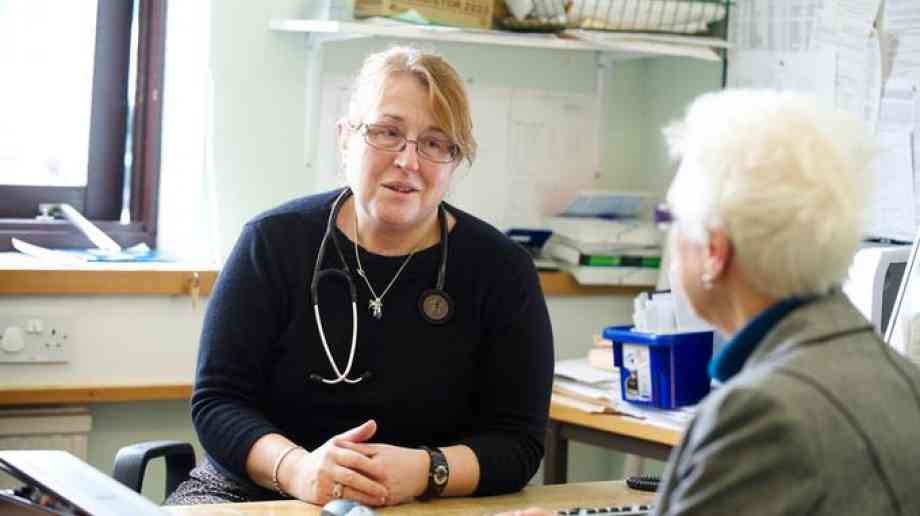
Cancer Research UK has warned that patients are facing a double whammy of delays as GPs report struggling to meet appointment demand and increased waiting times for vital cancer tests.
The survey of 1,004 UK GPs, who were asked about their experiences in October, found the majority had also seen an increase in waiting times for tests commonly used to help diagnose cancer. In fact, according to Cancer Research UK, 38 per cent of GPs said their practice was finding it tough to meet demand for remote consultations, and 35 per cent said the same for face-to-face appointments.
The charity also reports that: 75 per cent said waiting times had increased for ultrasounds, which are used in the diagnosis of some gynecological cancers and sarcomas; 69 per cent said waits had increased for upper GI endoscopies, used to detect oesophageal cancer; 62 per cent said waits had increased for lower GI endoscopies, used to detect bowel cancer; 61 per cent said waits had increased for chest X-rays, used to help diagnose lung cancer; 55 per cent said waits had increased for blood tests, used to help detect a range of cancers; 49 per cent said waits had increased for CT scans, used to detect cancer in the chest, abdomen and pelvis; and 46 per cent said waits had increased for MRI scans, used to detect brain tumours.
While the number of patients waiting six weeks or more for radiology tests has dropped since its peak in May, there are still 11 times more people (around 14,000 in October 2019 vs around 150,000 in October 2020) than last year.
Jodie Moffat, Cancer Research UK’s head of early diagnosis, said: “GPs and NHS staff have worked incredibly hard during this challenging year to manage the increased strain Covid-19 has put on an already stretched system. But many patients are still a long way off receiving the swift cancer diagnoses that will give them the best chance of being treated successfully, and worryingly we don’t yet know what the long-term impact on cancer stage and survival will be. It’s crucial the government uses the cash boost set aside in the spending review for the NHS to sort the backlog of cancer patients.”
Neil Smith, Cancer Research UK’s GP adviser, said: “GPs across the UK are doing everything we can to ensure people get the care they need so if you’ve noticed an unusual or persistent symptom, tell your doctor, we do want to hear from you. I’m particularly concerned we’re seeing fewer elderly people and those who have symptoms that could be linked to lung cancer - like a cough that has lasted for three weeks or more.
“In most cases it won’t be cancer, but if it is, catching it early gives the best chance of successful treatment. For those who’ve been unable to get through to your doctors' surgery, although it might be frustrating, I would encourage you to keep trying, GPs like me are still here to help you.”
Latest News

16/02/2024 - 12:56
Hammersmith and Fulham Council has created a new alliance intended to clean dirty air and improve residents' health.

16/02/2024 - 10:44
Two million more GP appointments a month are being delivered for patients compared to the same month before the pandemic as part of the NHS primary care access recovery plan according to new NHS data.

15/02/2024 - 10:26
The Welsh Government has provided innovation funding of £380,000 to support two projects utilising technology in domiciliary care.

15/02/2024 - 10:13
The new Scottish health secretary has met with frontline staff at Queen Elizabeth University Hospital in Glasgow.

14/02/2024 - 10:27
The North East London NHS Foundation Trust (NELFT) has appointed three new Executive Directors to the Trust Board.
Product Features

UK Building Regulations highlight toxic gas and smoke from layers of paint built up over multiple redecorations as a major cause of permanent ill health or death in a building fire.
Their concern rose with discovery the flame retardant paints most widely used paint along escape routes have been ones which to this day counter-productively use emission of heavy toxic gas to smother flames which rapidly spread along walls if layers of paint delaminate in a fire.
Supplier Profiles

Northwich’s Victoria Infirmary (VIN) Community Diagnostic Centre (CDC) has enabled more patients

Adveco, the commercial hot water specialist, announces the launch of live metering of domestic ho
Latest Features

Sarah Greenslade, public affairs and communications officer at the British Parking Association looks at some of the problems and innovations in healthcare parking

It’s easy to assume that the comms team is there to handle press enquiries and the occasional social media storm – but the reality is that strategic communications can make a measurable impact across the entire organisation, from operational to financial, when done properly


