
This story was first published in digitalhealth.net

National coronavirus measures hitting rural trusts worse
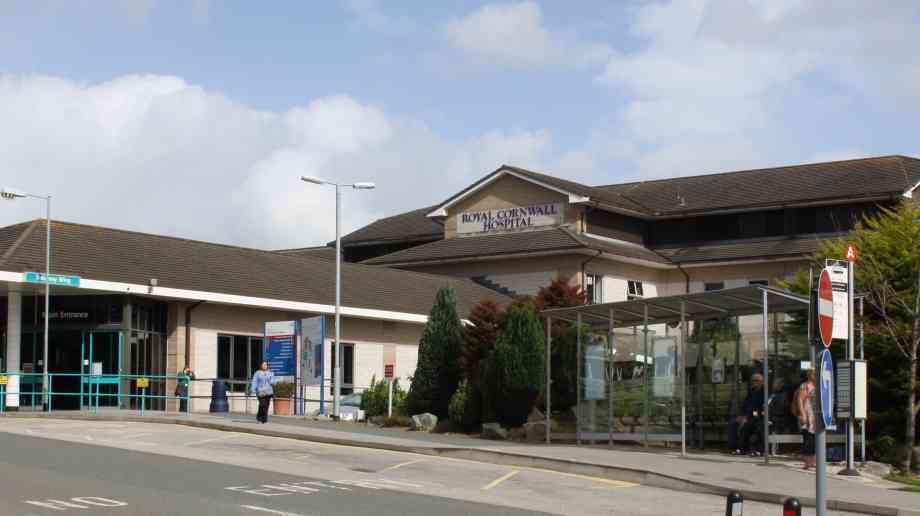
A new briefing from the Nuffield Trust has warned that national measures put in place at the outset of the pandemic to boost NHS capacity will likely disproportionately benefit trusts in urban areas.
The measures, which includes the creation of seven ‘urban-centric’ Nightingale hospitals in England, the £10 million deal to block-book independent sector hospital beds and additional support to reconfigure services, are all likely to disproportionately benefit trusts in urban areas. The Nuffield Trust believes that a lack of tailored support could leave many rural trusts, GPs and social care services struggling to catch up.
Analysis finds that although rural areas have seen fewer coronavirus cases overall, they have seen a more dramatic impact on patient access to services than in some urban areas. By comparing data from around March to June, during the first wave, with the same data for the year previous, it identifies: that there was a larger fall in the number of patients that were seen for their first consultant appointment for cancer in rural trusts (-66 per cent) compared to a decline of 58 per cent in urban areas; and that there was a fall in the number of patients admitted for emergency care of 57 per cent for rural trusts compared with 45 per cent elsewhere.
Furthermore, the long-standing challenges and the starting position of trusts in rural and remote areas have put them under increased strain. For example, rural sites typically have less unoccupied floor space and arguably flexibility, and, ahead of the pandemic, rural services had a higher level of occupied beds across their services (93 per cent) compared with other urban areas (89 per cent).
Remote and rural services also have pre-existing workforce issues. They have a greater spend on agency staffing (eight per cent of budget) compared to other areas (six per cent) meaning staff absences have a greater impact on the delivery of care. In fact, while the number of hospital and community health staff increased by seven per cent nationally in the year to June 2020, the workforce of remote trusts grew by only five per cent over the same period.
Billy Palmer, Nuffield Trust Senior Research Fellow, said: “There is no denying that the Covid-19 pandemic was a game-changer across the whole health and care system. Health and care services face a tough battle ahead to recover growing waiting lists and support their staff who are working heroically against this ongoing crisis. In the early stages of the pandemic, we saw the NHS put in national measures to help the service to brace itself for a surge in Covid-19 patients. These responses should have been tailored in a way which supports local teams to meet the care needs of the communities they serve.
“Yet our research has found that many of these national policies inadequately considered the needs of rural areas and reflect the long-standing workforce, financial and capacity issues of rural and remote services. Rural services are far less likely to benefit from ambitions to use either the urban-centric Nightingale hospitals or the independent sector to clear waiting lists. Because of this starting position, rural areas face an ever-growing steep climb to recover from the pandemic without the growing resources, support or capacity available in more urban areas.”
Latest News

16/02/2024 - 12:56
Hammersmith and Fulham Council has created a new alliance intended to clean dirty air and improve residents' health.

16/02/2024 - 10:44
Two million more GP appointments a month are being delivered for patients compared to the same month before the pandemic as part of the NHS primary care access recovery plan according to new NHS data.

15/02/2024 - 10:26
The Welsh Government has provided innovation funding of £380,000 to support two projects utilising technology in domiciliary care.

15/02/2024 - 10:13
The new Scottish health secretary has met with frontline staff at Queen Elizabeth University Hospital in Glasgow.

14/02/2024 - 10:27
The North East London NHS Foundation Trust (NELFT) has appointed three new Executive Directors to the Trust Board.
Product Features

UK Building Regulations highlight toxic gas and smoke from layers of paint built up over multiple redecorations as a major cause of permanent ill health or death in a building fire.
Their concern rose with discovery the flame retardant paints most widely used paint along escape routes have been ones which to this day counter-productively use emission of heavy toxic gas to smother flames which rapidly spread along walls if layers of paint delaminate in a fire.
Supplier Profiles

Northwich’s Victoria Infirmary (VIN) Community Diagnostic Centre (CDC) has enabled more patients

Adveco, the commercial hot water specialist, announces the launch of live metering of domestic ho
Latest Features

Sarah Greenslade, public affairs and communications officer at the British Parking Association looks at some of the problems and innovations in healthcare parking

It’s easy to assume that the comms team is there to handle press enquiries and the occasional social media storm – but the reality is that strategic communications can make a measurable impact across the entire organisation, from operational to financial, when done properly


