
This story was first published in digitalhealth.net

Nursing shortages put pandemic recovery at risk
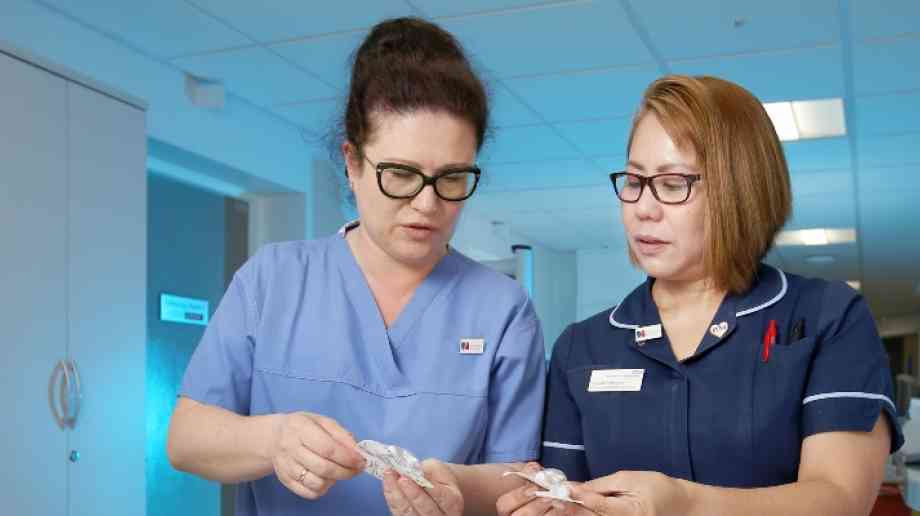
Nursing shortfalls, together with the backlog in routine care and growing need for health care, is likely to make recovering from the pandemic particularly challenging.
That is according to a new report from the Health Foundation, which found that, despite recent increases, there have been significant falls in key areas in the NHS nursing workforce in England over the last 10 years. They say the government will need to exceed its target of 50,000 new nurses in England by 2024/25 if it wants the NHS to fully recover from the pandemic.
Nursing continues to be the most significant workforce shortage area in the NHS. The vacancy rate for registered nurses exceeded 10 per cent in June. Registered nurses accounted for 45 per cent of all vacancies in NHS hospital and community health settings in England.
The report, Building the NHS nursing workforce in England, provides an in-depth analysis of the last 10 years of trends in recruitment and retention in the nursing workforce. It says that increases in NHS nurse numbers in recent years are likely to be insufficient in the face of growing health care demand, made more pressing by the impact of the coronavirus pandemic.
Although overall nursing numbers have gone up by eight per cent since 2010, the number of health visitors and nurses working in community nursing, mental health and learning disability services are all lower than they were in June 2010. The number of mental health nurses dropped by eight per cent in the 10 years to June 2020; health visitors dropped by 15 per cent, there was a 12 per cent drop in the number of community health nurses and a 39 per cent fall in learning disability nurses.
However, in the last year there have been increases in nursing numbers across all areas but at varying rates, which the report says, in part, reflects nurses signing up to the Nursing and Midwifery Council’s ‘temporary’ register, initiated as part of the coronavirus response. But, they may not go far enough to address longer term nursing workforce shortages.
Anita Charlesworth, Director of Research and REAL Centre, said: “Nine months into the pandemic, the nursing workforce is under incredible strain. One in 10 nursing posts are vacant, and absence rates remain high. Our analysis shows that although nursing numbers are going up overall, in some areas they are lower than they were 10 years ago. This is hugely concerning as we are now in a situation where the number of people waiting for routine elective care exceeds four million and there is growing demand for mental health services.
“Fixing the nursing crisis is not just about getting more nurses into the system, it is also about ensuring the workforce is fully supported and we have nurses available where they are needed most, including in mental health services, learning disability services and in the community. This is absolutely critical to enabling the country to recover from the deep impact of the pandemic. Nurses can only care for the nation if we care for them, which means attractive pay and conditions, flexible approaches to training, development and working life. To fully recover from the pandemic, the government will need to exceed its 50,000 new nurses target and put in place robust systems for recruiting and retaining a nursing workforce fit for the future.”
Dame Donna Kinnair, chief executive of the Royal College of Nursing, said: “This independent report paints a bleak picture, but it is one our nursing staff know all too well. There simply aren’t enough to care safely for patients in hospitals, clinics, their own homes or anywhere else. The heavy demand on NHS and care services, long before the pandemic, was outstripping modest increases in staff numbers in some parts. The dramatic falls in key areas highlighted here, such as mental health, show we are getting further from what is needed – not closer.
“The report highlights concerning figures on the ‘skill mix’ too. Nursing support staff are a fantastic part of the nursing team but boosting their number should not come at the expense of investing in the registered workforce. There is no quick solution to this crisis. It will take honesty and investment on the part of government – paying people fairly for their skill and expertise and supporting the next generation of nursing staff through their education.”
Latest News

16/02/2024 - 12:56
Hammersmith and Fulham Council has created a new alliance intended to clean dirty air and improve residents' health.

16/02/2024 - 10:44
Two million more GP appointments a month are being delivered for patients compared to the same month before the pandemic as part of the NHS primary care access recovery plan according to new NHS data.

15/02/2024 - 10:26
The Welsh Government has provided innovation funding of £380,000 to support two projects utilising technology in domiciliary care.

15/02/2024 - 10:13
The new Scottish health secretary has met with frontline staff at Queen Elizabeth University Hospital in Glasgow.

14/02/2024 - 10:27
The North East London NHS Foundation Trust (NELFT) has appointed three new Executive Directors to the Trust Board.
Product Features

UK Building Regulations highlight toxic gas and smoke from layers of paint built up over multiple redecorations as a major cause of permanent ill health or death in a building fire.
Their concern rose with discovery the flame retardant paints most widely used paint along escape routes have been ones which to this day counter-productively use emission of heavy toxic gas to smother flames which rapidly spread along walls if layers of paint delaminate in a fire.
Supplier Profiles

Northwich’s Victoria Infirmary (VIN) Community Diagnostic Centre (CDC) has enabled more patients

Adveco, the commercial hot water specialist, announces the launch of live metering of domestic ho
Latest Features

Sarah Greenslade, public affairs and communications officer at the British Parking Association looks at some of the problems and innovations in healthcare parking

It’s easy to assume that the comms team is there to handle press enquiries and the occasional social media storm – but the reality is that strategic communications can make a measurable impact across the entire organisation, from operational to financial, when done properly


