
This story was first published in digitalhealth.net

New guidelines for hospital visits in Wales during Coronavirus outbreak
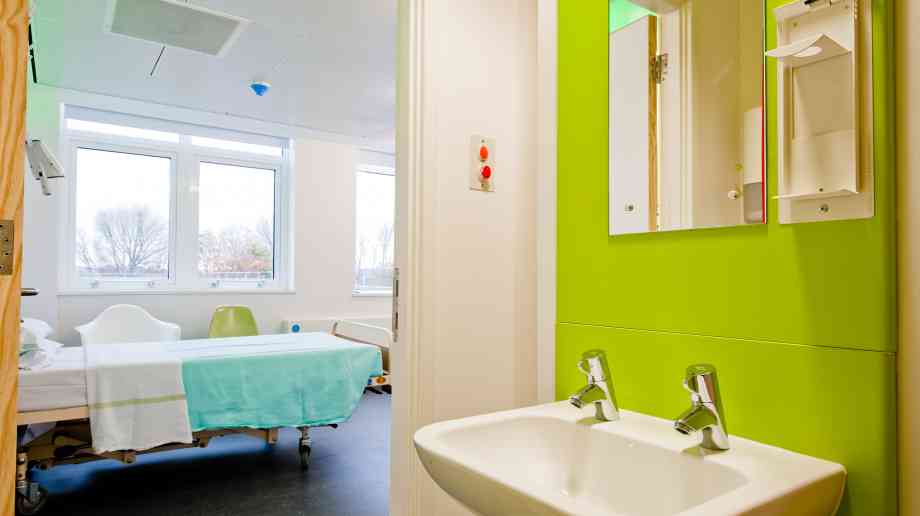
New revised NHS Wales hospital visiting guidance during the coronavirus outbreak has been published which allows health boards, trusts and hospices to have more flexibility.
The new guidelines allow health care providers to asses local factors and work with local infection prevention and control teams and Public Health Wales when agreeing visiting arrangements.
Healthcare providers may depart from the guidance in response to rising levels of COVID-19 transmission in their localities, including levels which result in a national lockdown and/or evidence of nosocomial transmission in a particular setting; or falling levels of transmission in their local area.
Visiting in maternity services will now be based on a risk assessment approach by health boards. This will take into consideration local environmental factors such as room sizes, ability to socially distance and infection prevention and control risks in enabling partners to safely accompany pregnant women and new mothers. This risk assessed approach should be taken in collaboration with relevant health professionals, local infection prevention and control teams and Public Health Wales. All women will be supported to have at least one partner with them during active labour, birth and for the period immediately after the birth, except in an extremely limited number of circumstances.
The updated guidelines also recognise that some people may require an essential support assistant for specific additional support eg a support worker or interpreter. Essential support assistants will not to be classed as visitors, in some circumstances, where people receive care and support from a family member or partner, they may nominate this person as their essential support assistant.
Minister for Health and Social Services Vaughan Gething, said: "We recognise that the restrictions on visiting has a huge impact on patients, their families and loves ones. We have announced further changes to the guidelines today to provide health boards, trusts and hospices with flexibility to depart from the guidelines in response to local levels of COVID-19 transmission. It is important to remember that the virus has not gone away and the health, safety and wellbeing of patients, communities and NHS staff remains an absolute priority for both the Welsh Government and health care providers. Tough choices will still need to be made but we hope the revised guidelines will allow more flexibility for health care providers."
Latest News

16/02/2024 - 12:56
Hammersmith and Fulham Council has created a new alliance intended to clean dirty air and improve residents' health.

16/02/2024 - 10:44
Two million more GP appointments a month are being delivered for patients compared to the same month before the pandemic as part of the NHS primary care access recovery plan according to new NHS data.

15/02/2024 - 10:26
The Welsh Government has provided innovation funding of £380,000 to support two projects utilising technology in domiciliary care.

15/02/2024 - 10:13
The new Scottish health secretary has met with frontline staff at Queen Elizabeth University Hospital in Glasgow.

14/02/2024 - 10:27
The North East London NHS Foundation Trust (NELFT) has appointed three new Executive Directors to the Trust Board.
Product Features

UK Building Regulations highlight toxic gas and smoke from layers of paint built up over multiple redecorations as a major cause of permanent ill health or death in a building fire.
Their concern rose with discovery the flame retardant paints most widely used paint along escape routes have been ones which to this day counter-productively use emission of heavy toxic gas to smother flames which rapidly spread along walls if layers of paint delaminate in a fire.
Supplier Profiles

Northwich’s Victoria Infirmary (VIN) Community Diagnostic Centre (CDC) has enabled more patients

Adveco, the commercial hot water specialist, announces the launch of live metering of domestic ho
Latest Features

Sarah Greenslade, public affairs and communications officer at the British Parking Association looks at some of the problems and innovations in healthcare parking

It’s easy to assume that the comms team is there to handle press enquiries and the occasional social media storm – but the reality is that strategic communications can make a measurable impact across the entire organisation, from operational to financial, when done properly


