
This story was first published in digitalhealth.net

Only end lockdown if NHS can cope, says NHS Providers
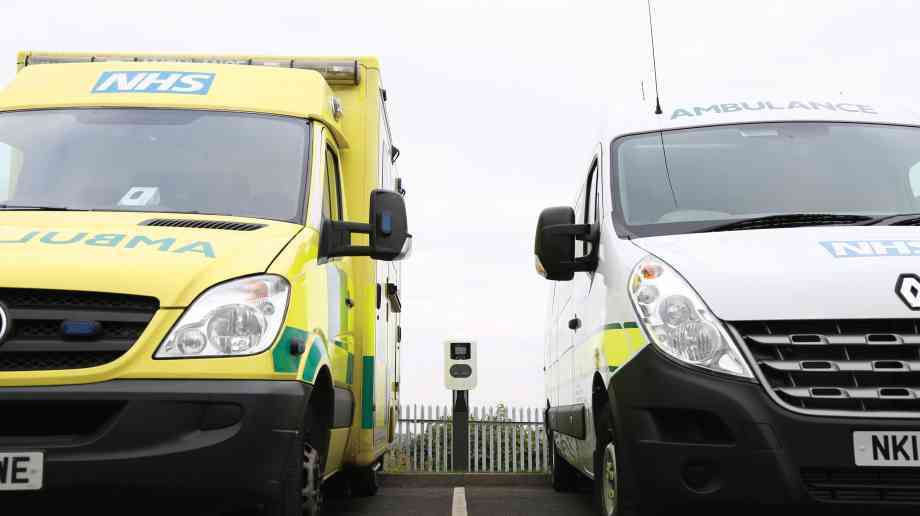
NHS Providers says the national lockdown should end as planned next month only if it's clear the NHS can cope with the pressures of the pandemic.
The organisation says even if national restrictions are eased, local measures will need to be ‘appropriately tough’ to minimise social contact in the run up to Christmas.
NHS Providers, the membership organisation for every NHS hospital, community, mental health and ambulance trust in England, said that the last few months have shown the rules in the old first and second tiers were insufficient, and that we will need a stronger regime than the old third tier in areas of greatest spread. Those tougher restrictions will need to be adopted quickly and automatically wherever they are needed, rather than becoming a focus of debate between national and national leaders.
Chris Hopson, chief executive of NHS Providers, highlighted in a blog post the importance of maintaining services for three groups of patients: those with the virus, emergency patients and those who need planned care.
Trust leaders are warning that with demand for emergency care rising rapidly, it feels like we've hit winter six weeks early. This is reflected by: rising numbers of twelve hour waits in hospital emergency departments; higher levels of the sickest patients than usual; ambulance trusts reporting significant handover delays; and delays in discharging patients who are medically fit to leave hospital.
Hopson warns of a real risk that in our desire to celebrate as we head towards Christmas we risk the misery of a full third wave of coronavirus a few weeks later. Emphasising the need for clarity as we approach the end of this lockdown period, he calls for ‘one more heave’ to continue tough restrictions, with the reflection that if we can surmount the hump of this winter there is reason to believe that next spring and summer we will be free.
Latest News

16/02/2024 - 12:56
Hammersmith and Fulham Council has created a new alliance intended to clean dirty air and improve residents' health.

16/02/2024 - 10:44
Two million more GP appointments a month are being delivered for patients compared to the same month before the pandemic as part of the NHS primary care access recovery plan according to new NHS data.

15/02/2024 - 10:26
The Welsh Government has provided innovation funding of £380,000 to support two projects utilising technology in domiciliary care.

15/02/2024 - 10:13
The new Scottish health secretary has met with frontline staff at Queen Elizabeth University Hospital in Glasgow.

14/02/2024 - 10:27
The North East London NHS Foundation Trust (NELFT) has appointed three new Executive Directors to the Trust Board.
Product Features

UK Building Regulations highlight toxic gas and smoke from layers of paint built up over multiple redecorations as a major cause of permanent ill health or death in a building fire.
Their concern rose with discovery the flame retardant paints most widely used paint along escape routes have been ones which to this day counter-productively use emission of heavy toxic gas to smother flames which rapidly spread along walls if layers of paint delaminate in a fire.
Supplier Profiles

Northwich’s Victoria Infirmary (VIN) Community Diagnostic Centre (CDC) has enabled more patients

Adveco, the commercial hot water specialist, announces the launch of live metering of domestic ho
Latest Features

Sarah Greenslade, public affairs and communications officer at the British Parking Association looks at some of the problems and innovations in healthcare parking

It’s easy to assume that the comms team is there to handle press enquiries and the occasional social media storm – but the reality is that strategic communications can make a measurable impact across the entire organisation, from operational to financial, when done properly


