
This story was first published in digitalhealth.net

Government action needed to protect homeless, say doctors
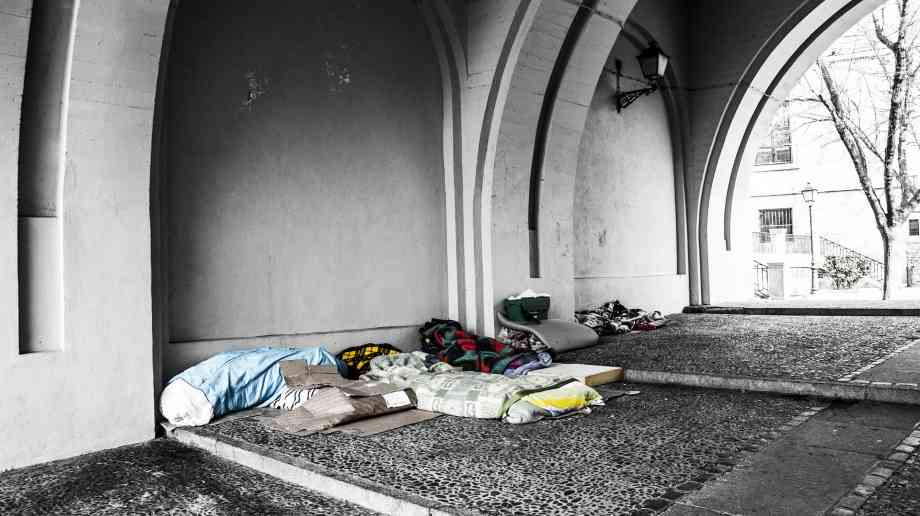
Doctors have warned that rough sleepers face an increasing dilemma between staying outside or squeezing into crowded shelters where coronavirus hygiene will be limited.
The Royal College of Physicians and Royal College of General Practitioners say that, unfortunately, many rough sleepers will die this winter without urgent government action as coronavirus and cold weather create a terrifying double threat.
Warning ministers of the threat, the royal colleges have joint with charities including Crisis, Shelter and St Mungo’s, to urge for a repeat of the ‘Everyone In’ policy that the government adopted in March and April, when 15,000 homeless people were given emergency accommodation, including in hotels. It is believed that this saved an estimated 266 people from death.
The letter from the organisations warns that funding packages for local councils to get people into safe accommodation are drying up.
Jon Sparkes, the chief executive of Crisis, said: “Predictions of deaths among people who have nowhere else to go, other than our streets, or sleeping in communal night shelters that are not Covid-secure, must act as a wake-up call to the government. We cannot have hundreds or even thousands of people forced to live in crowded places, where proper social distancing is impossible and the risk of coronavirus transmission is incredibly high.”
David Renard, Local Government Association housing spokesperson, said: “Councils will do everything they can to get rough sleepers off the streets and into safe and suitable accommodation, to protect them from the spread of coronavirus. However we would like to see government help to reduce rough sleeping by using the Spending Review to address the funding gap facing councils, and temporarily remove the No Recourse to Public Funds condition, which would reduce public health risks and pressures on homelessness services by enabling vulnerable people to access welfare benefits, who are currently unable to do so because of their immigration status.
“In the longer term, we also need the government to invest in homelessness prevention, give councils the powers to build the desperately-needed new generation of social housing the country needs and ensure that the local safety net is adequately resourced.”
Latest News

16/02/2024 - 12:56
Hammersmith and Fulham Council has created a new alliance intended to clean dirty air and improve residents' health.

16/02/2024 - 10:44
Two million more GP appointments a month are being delivered for patients compared to the same month before the pandemic as part of the NHS primary care access recovery plan according to new NHS data.

15/02/2024 - 10:26
The Welsh Government has provided innovation funding of £380,000 to support two projects utilising technology in domiciliary care.

15/02/2024 - 10:13
The new Scottish health secretary has met with frontline staff at Queen Elizabeth University Hospital in Glasgow.

14/02/2024 - 10:27
The North East London NHS Foundation Trust (NELFT) has appointed three new Executive Directors to the Trust Board.
Product Features

UK Building Regulations highlight toxic gas and smoke from layers of paint built up over multiple redecorations as a major cause of permanent ill health or death in a building fire.
Their concern rose with discovery the flame retardant paints most widely used paint along escape routes have been ones which to this day counter-productively use emission of heavy toxic gas to smother flames which rapidly spread along walls if layers of paint delaminate in a fire.
Supplier Profiles

Northwich’s Victoria Infirmary (VIN) Community Diagnostic Centre (CDC) has enabled more patients

Adveco, the commercial hot water specialist, announces the launch of live metering of domestic ho
Latest Features

Sarah Greenslade, public affairs and communications officer at the British Parking Association looks at some of the problems and innovations in healthcare parking

It’s easy to assume that the comms team is there to handle press enquiries and the occasional social media storm – but the reality is that strategic communications can make a measurable impact across the entire organisation, from operational to financial, when done properly


