
This story was first published in digitalhealth.net

£569m spent on ventilators so far, with most not needed
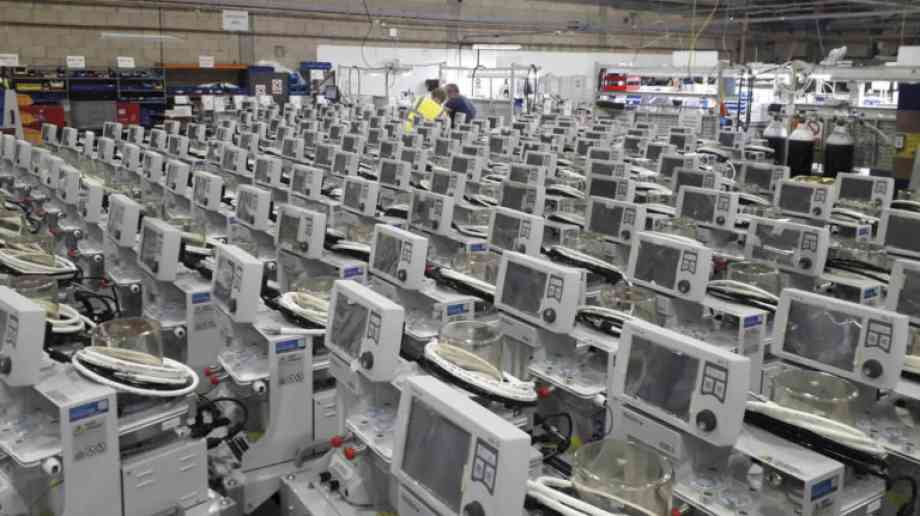
The National Audit Office finds that the government acted with urgency to increase the number of ventilators available to the NHS, spending a total of £569 million.
So far, most of these ventilators have not been needed. According to latest reports, all but 2,150 of the machines the government purchased are still being held in a Ministry of Defence warehouse in case they are needed in the coming second wave of the disease.
The spending watchdog says that the Department of Health and Social Care and Cabinet Office paid more than usual for the devices but, in this situation, were right to do so given the threat to life. Although demand was not as high as worst-case scenarios had indicated, the NAO says that NHS England and NHS Improvement is not aware of any point when a patient who needed a ventilator was unable to get one.
Having set an ambitious production and procurement target, the watchdog says that the two departments missed the 18,000 target for the end of April but had made substantial progress toward its 30,000 target by the end of June, acquiring around 24,000 ventilators. The 30,000 target was then met in early August.
The research also shows that the Department of Health and Social Care attempted to source most of the extra devices it was seeking from China. However, intense global demand meant it had to pay suppliers upfront, without any assurance the ventilators would be high quality. This has proven a risky strategy. In one case it spent £2.2 million on 750 transport ventilators, which ended up not being used when doctors said they were unsuitable for patients in intensive care.
Gareth Davies, head of the NAO, said: “The government acted quickly to secure the thousands of ventilators it thought it may need to safeguard public health. In the event far fewer ventilators were required than was anticipated during the first phase of the pandemic, resulting in a stockpile that may be needed for future peaks in clinical need. As with all aspects of its pandemic response, the government should ensure that the learning from this experience is used to enhance its contingency planning for future public health emergencies.”
Latest News

16/02/2024 - 12:56
Hammersmith and Fulham Council has created a new alliance intended to clean dirty air and improve residents' health.

16/02/2024 - 10:44
Two million more GP appointments a month are being delivered for patients compared to the same month before the pandemic as part of the NHS primary care access recovery plan according to new NHS data.

15/02/2024 - 10:26
The Welsh Government has provided innovation funding of £380,000 to support two projects utilising technology in domiciliary care.

15/02/2024 - 10:13
The new Scottish health secretary has met with frontline staff at Queen Elizabeth University Hospital in Glasgow.

14/02/2024 - 10:27
The North East London NHS Foundation Trust (NELFT) has appointed three new Executive Directors to the Trust Board.
Product Features

UK Building Regulations highlight toxic gas and smoke from layers of paint built up over multiple redecorations as a major cause of permanent ill health or death in a building fire.
Their concern rose with discovery the flame retardant paints most widely used paint along escape routes have been ones which to this day counter-productively use emission of heavy toxic gas to smother flames which rapidly spread along walls if layers of paint delaminate in a fire.
Supplier Profiles

Northwich’s Victoria Infirmary (VIN) Community Diagnostic Centre (CDC) has enabled more patients

Adveco, the commercial hot water specialist, announces the launch of live metering of domestic ho
Latest Features

Sarah Greenslade, public affairs and communications officer at the British Parking Association looks at some of the problems and innovations in healthcare parking

It’s easy to assume that the comms team is there to handle press enquiries and the occasional social media storm – but the reality is that strategic communications can make a measurable impact across the entire organisation, from operational to financial, when done properly


