
This story was first published in digitalhealth.net

Surgeons should be given ‘emotional intelligence’ training
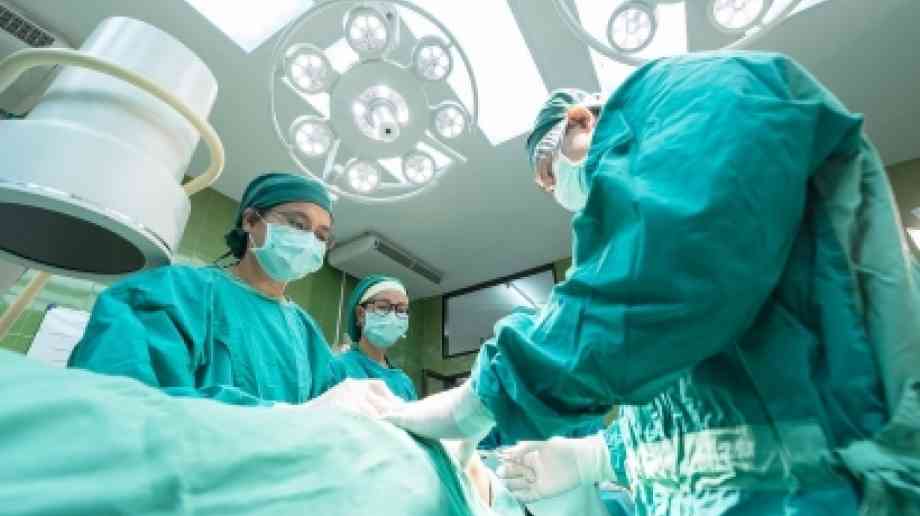
Surgeons should be given regular ‘emotional intelligence’ training as an ‘explicit’ part of their professional development to combat epidemic levels of burnout in the profession.
Emotional intelligence is defined as someone’s ability to understand their own emotions, and those of the individuals they interact with. Training sessions in emotional intelligence are commonly used in the business world to improve mental wellness but aren’t yet being fully utilised in the medical community.
Dr Lorna Bourke, Principal Lecturer in Psychology at Liverpool Hope University, says that the sessions are urgently needed to protect both surgeons and their patients. She says this type of training could help to reduce the stigma associated with anyone who reaches out for emotional support.
Last year the Royal College of Surgeons (RCS) issued a report highlighting the need for surgeons to be better equipped to recognise the early signs of deteriorating mental health. The RCS said symptoms of burnout include ‘feeling emotionally drained, fatigued and frustrated at work, feeling unable to accomplish much and not enjoying working with patients anymore’.
Bourke said: “Urgent action is needed to improve the workplace environment for surgeons, and doctors, and to ensure they are supported as well as possible. And Emotional Intelligence should be an explicit part of ongoing contemporary surgical training and education.
“These are committed, resilient, driven individuals who are being lost to the profession while at their peak. For a surgeon, a ‘bad day at the office’ would be a typical person’s worst nightmare. Yet they often regulate their emotions by putting up a barrier without processing it properly, which can create real problems.
“We need a system where surgeons are given regular Emotional Intelligence testing and training, and strategies put in place to help them - where they can really talk about what they’ve been through, without them feeling as if they need to mask it.”
Latest News

16/02/2024 - 12:56
Hammersmith and Fulham Council has created a new alliance intended to clean dirty air and improve residents' health.

16/02/2024 - 10:44
Two million more GP appointments a month are being delivered for patients compared to the same month before the pandemic as part of the NHS primary care access recovery plan according to new NHS data.

15/02/2024 - 10:26
The Welsh Government has provided innovation funding of £380,000 to support two projects utilising technology in domiciliary care.

15/02/2024 - 10:13
The new Scottish health secretary has met with frontline staff at Queen Elizabeth University Hospital in Glasgow.

14/02/2024 - 10:27
The North East London NHS Foundation Trust (NELFT) has appointed three new Executive Directors to the Trust Board.
Product Features

UK Building Regulations highlight toxic gas and smoke from layers of paint built up over multiple redecorations as a major cause of permanent ill health or death in a building fire.
Their concern rose with discovery the flame retardant paints most widely used paint along escape routes have been ones which to this day counter-productively use emission of heavy toxic gas to smother flames which rapidly spread along walls if layers of paint delaminate in a fire.
Supplier Profiles

Northwich’s Victoria Infirmary (VIN) Community Diagnostic Centre (CDC) has enabled more patients

Adveco, the commercial hot water specialist, announces the launch of live metering of domestic ho
Latest Features

Sarah Greenslade, public affairs and communications officer at the British Parking Association looks at some of the problems and innovations in healthcare parking

It’s easy to assume that the comms team is there to handle press enquiries and the occasional social media storm – but the reality is that strategic communications can make a measurable impact across the entire organisation, from operational to financial, when done properly


