
This story was first published in digitalhealth.net

People must be encouraged to be immunised, says BMA
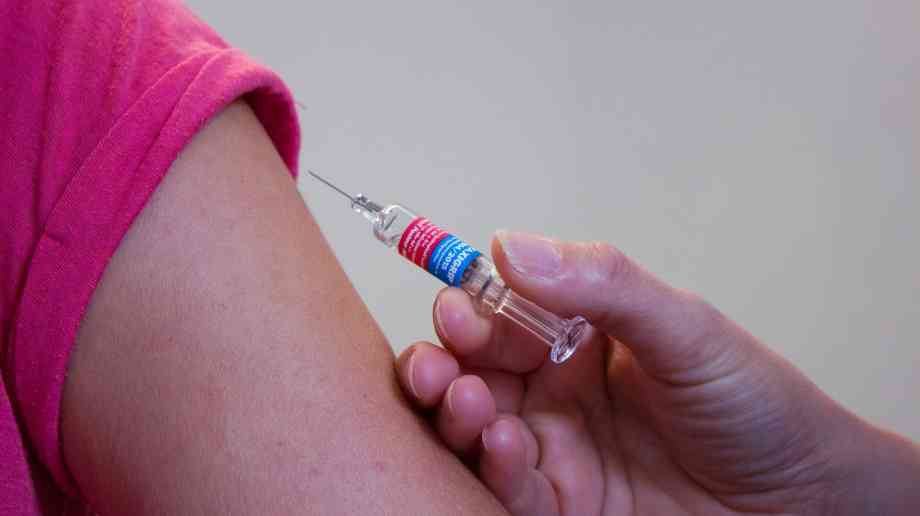
The British Medical Association has welcomed the government’s expanded flu vaccination programme, but stressed that it is imperative that people are encouraged to be immunised.
Saying that we need to see more detail about how the new programme will be rolled out, alongside assurances that it will be properly resourced, the BM said that the government must not lose sight of the need to make every effort to prevent a second spike in the coronavirus virus. If this was to happen - and that risk is very real - the flu vaccination programme would have little impact.
In a new report, the doctors association cautioned that many immunisation programmes have been disrupted because of the pandemic as the NHS focused on responding to immediate health concerns and now it’s imperative that they are re-started and that people are encouraged to be immunised. This all follows a concerning fall in coverage rates in recent years.
Childhood vaccination in particular has plummeted during this time – dropping by around a fifth in total – despite advice that childhood immunisation should continue during coronavirus.
According to NHS Digital, and highlighted in this report, coverage for the first dose of the MMR vaccine in England was at 94.5 per cent in 2018-19, down from 94.9 per cent in 2017-18 and below the 95 per cent target set by the World Health Organisation (WHO).
The BMA is calling for action to: widen vaccine availability and target specific populations ensure adequate funding to deliver fully resourced immunisation services; raise public awareness and understanding of immunisation programmes; ensure health service IT supports vaccine uptake; and increase vaccine uptake among NHS workers.
Peter English, BMA public health medicine committee chair, said: “It’s been incredibly worrying to watch the decline in vaccine rates in the UK over the past few years – for example, we lost our ‘measles-free’ status in 2019 and the pandemic has of course meant even fewer vaccinations have been carried out as the NHS battled on all fronts to keep the virus at bay.
“Routine vaccination is so important, and many doctors can remember a time without it. Vaccination against common but often serious ailments has changed the face of public health and are rightly ranked by WHO, alongside clean water, as the public health intervention which has had the greatest impact on the world’s health.
“That’s why, as we recover from this pandemic, everything must be done to increase vaccine uptake – particularly as we head into flu season and vulnerable people are at greater risk of becoming ill. This means not only making sure the public understands the importance of getting vaccinated, but also resourcing the health service with what it needs to deliver this; adequate funding for immunisation programmes, IT services, and encouraging staff to protect themselves too. Health has never been more at the forefront of people’s minds, and the government needs to utilise this as a matter of urgency – not just for the sake of the population now, but the generations that follow.”
Latest News

16/02/2024 - 12:56
Hammersmith and Fulham Council has created a new alliance intended to clean dirty air and improve residents' health.

16/02/2024 - 10:44
Two million more GP appointments a month are being delivered for patients compared to the same month before the pandemic as part of the NHS primary care access recovery plan according to new NHS data.

15/02/2024 - 10:26
The Welsh Government has provided innovation funding of £380,000 to support two projects utilising technology in domiciliary care.

15/02/2024 - 10:13
The new Scottish health secretary has met with frontline staff at Queen Elizabeth University Hospital in Glasgow.

14/02/2024 - 10:27
The North East London NHS Foundation Trust (NELFT) has appointed three new Executive Directors to the Trust Board.
Product Features

UK Building Regulations highlight toxic gas and smoke from layers of paint built up over multiple redecorations as a major cause of permanent ill health or death in a building fire.
Their concern rose with discovery the flame retardant paints most widely used paint along escape routes have been ones which to this day counter-productively use emission of heavy toxic gas to smother flames which rapidly spread along walls if layers of paint delaminate in a fire.
Supplier Profiles

Northwich’s Victoria Infirmary (VIN) Community Diagnostic Centre (CDC) has enabled more patients

Adveco, the commercial hot water specialist, announces the launch of live metering of domestic ho
Latest Features

Sarah Greenslade, public affairs and communications officer at the British Parking Association looks at some of the problems and innovations in healthcare parking

It’s easy to assume that the comms team is there to handle press enquiries and the occasional social media storm – but the reality is that strategic communications can make a measurable impact across the entire organisation, from operational to financial, when done properly


