
This story was first published in digitalhealth.net

NHS pregnancy support for BAME women
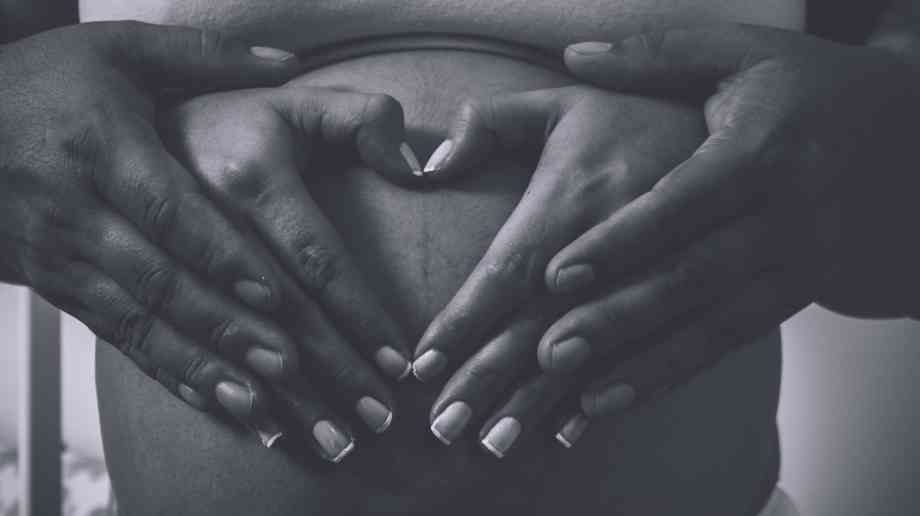
The NHS is rolling out additional support for pregnant Black, Asian and Ethnic Minority (BAME) women, as new research shows heightened risks facing women from minority groups.
Women from ethnic minority backgrounds have long been known to face additional maternity risks, with maternal mortality rates significantly higher than for white women. Analysis reveals that black pregnant women are eight times more likely to be admitted to hospital with coronavirus, while Asian women are four times as likely.
Oxford University shows that 55 per cent of the pregnant women admitted to hospital with coronavirus are from a BAME background, even though they only make up a quarter of the births in England and Wales.
Action is now being taken by the NHS in England to protect expectant mums, including increasing uptake of important Vitamin D and undertaking outreach in neighbourhoods and communities in their area.
England’s most senior midwife, Jacqueline Dunkley-Bent, has written to all maternity units in the country calling on them to take four specific actions which will minimise the additional risk of coronavirus for BAME women and their babies.
The common sense steps include: increasing support of at-risk pregnant women, making sure clinicians have a lower threshold to review, admit and consider multidisciplinary escalation in women from a BAME background; reaching out and reassuring pregnant BAME women with tailored communications; ensuring hospitals discuss vitamins, supplements and nutrition in pregnancy with all women; and ensuring all providers record on maternity information systems the ethnicity of every woman, as well as other risk factors, such as living in a deprived area (postcode), co-morbidities, BMI and aged 35 years or over, to identify those most at risk of poor outcomes.
Jacqueline Dunkley-Bent, Chief Midwifery Officer for England, said: “We know that pregnant women from a BAME background are twice as likely to be admitted to hospital with Covid-19 compared to white women, which is why we’re helping midwives take sensible extra steps to protect mum and baby.
“While Public Health England is continuing to assess and advise on the impact of the Covid-19 outbreak on ethnic groups, I want to make sure that the NHS is doing everything we can to reach out, reassure and support those pregnant women and new mums most at risk.
“Understandably, the pandemic has caused pregnant women increased anxiety over the last couple of months, but I want to make sure that every pregnant woman in England knows that the NHS is here for them – if you have any doubt whatsoever that something isn’t right with you or your baby, contact your midwife immediately.”
Latest News

16/02/2024 - 12:56
Hammersmith and Fulham Council has created a new alliance intended to clean dirty air and improve residents' health.

16/02/2024 - 10:44
Two million more GP appointments a month are being delivered for patients compared to the same month before the pandemic as part of the NHS primary care access recovery plan according to new NHS data.

15/02/2024 - 10:26
The Welsh Government has provided innovation funding of £380,000 to support two projects utilising technology in domiciliary care.

15/02/2024 - 10:13
The new Scottish health secretary has met with frontline staff at Queen Elizabeth University Hospital in Glasgow.

14/02/2024 - 10:27
The North East London NHS Foundation Trust (NELFT) has appointed three new Executive Directors to the Trust Board.
Product Features

UK Building Regulations highlight toxic gas and smoke from layers of paint built up over multiple redecorations as a major cause of permanent ill health or death in a building fire.
Their concern rose with discovery the flame retardant paints most widely used paint along escape routes have been ones which to this day counter-productively use emission of heavy toxic gas to smother flames which rapidly spread along walls if layers of paint delaminate in a fire.
Supplier Profiles

Northwich’s Victoria Infirmary (VIN) Community Diagnostic Centre (CDC) has enabled more patients

Adveco, the commercial hot water specialist, announces the launch of live metering of domestic ho
Latest Features

Sarah Greenslade, public affairs and communications officer at the British Parking Association looks at some of the problems and innovations in healthcare parking

It’s easy to assume that the comms team is there to handle press enquiries and the occasional social media storm – but the reality is that strategic communications can make a measurable impact across the entire organisation, from operational to financial, when done properly


