
This story was first published in digitalhealth.net

Coronavirus may trigger new diabetes
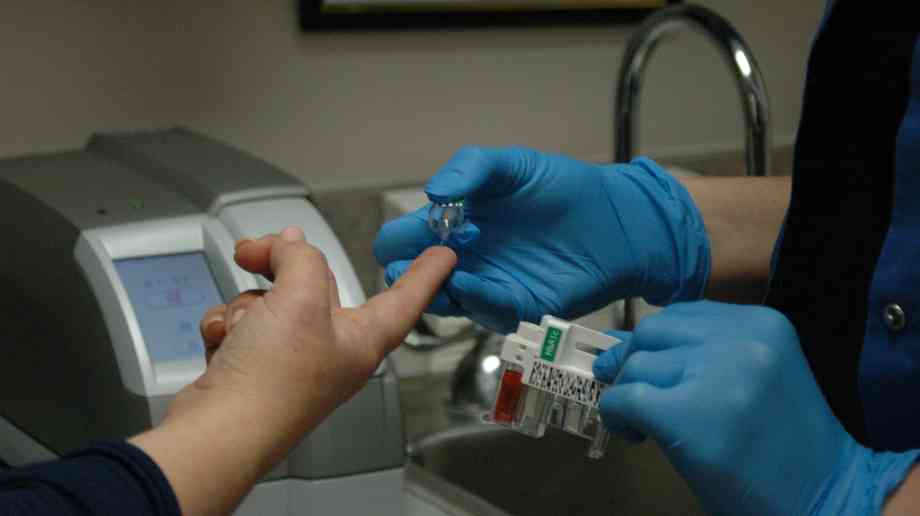
There is emerging evidence suggesting that coronavirus may actually trigger the onset of diabetes in healthy people and also cause severe complications of pre-existing diabetes.
A letter published in the New England Journal of Medicine and signed by an international group of 17 leading diabetes experts involved in the CoviDiab project, a collaborative international research initiative, announces the establishment of a Global Registry of new cases of diabetes in patients with coronavirus.
Clinical observations so far show a bi-directional relationship between the virus and diabetes. On the one hand, diabetes is associated with increased risk of coronavirus severity and mortality. Between 20-30 per cent of patients who died with the virus have been reported to have diabetes. On the other hand, new-onset diabetes and atypical metabolic complications of pre-existing diabetes, including life-threatening ones, have been observed in people with coronavirus.
Francesco Rubino, co-lead investigator of the CoviDiab project, said: “Diabetes is one of the most prevalent chronic diseases and we are now realizing the consequences of the inevitable clash between two pandemics. Given the short period of human contact with this new coronavirus, the exact mechanism by which the virus influences glucose metabolism is still unclear and we don’t know whether the acute manifestation of diabetes in these patients represent classic type 1, type 2 or possibly a new form of diabetes.”
Stephanie Amiel, Professor of Diabetes Research at King’s College London said: “The registry focuses on routinely collected clinical data that will help us examine insulin secretory capacity, insulin resistance and autoimmune antibody status to understand how Covid-19 related diabetes develops, its natural history and best management. Studying Covid-19-related diabetes may uncover novel mechanisms of disease.”
Latest News

16/02/2024 - 12:56
Hammersmith and Fulham Council has created a new alliance intended to clean dirty air and improve residents' health.

16/02/2024 - 10:44
Two million more GP appointments a month are being delivered for patients compared to the same month before the pandemic as part of the NHS primary care access recovery plan according to new NHS data.

15/02/2024 - 10:26
The Welsh Government has provided innovation funding of £380,000 to support two projects utilising technology in domiciliary care.

15/02/2024 - 10:13
The new Scottish health secretary has met with frontline staff at Queen Elizabeth University Hospital in Glasgow.

14/02/2024 - 10:27
The North East London NHS Foundation Trust (NELFT) has appointed three new Executive Directors to the Trust Board.
Product Features

UK Building Regulations highlight toxic gas and smoke from layers of paint built up over multiple redecorations as a major cause of permanent ill health or death in a building fire.
Their concern rose with discovery the flame retardant paints most widely used paint along escape routes have been ones which to this day counter-productively use emission of heavy toxic gas to smother flames which rapidly spread along walls if layers of paint delaminate in a fire.
Supplier Profiles

Northwich’s Victoria Infirmary (VIN) Community Diagnostic Centre (CDC) has enabled more patients

Adveco, the commercial hot water specialist, announces the launch of live metering of domestic ho
Latest Features

Sarah Greenslade, public affairs and communications officer at the British Parking Association looks at some of the problems and innovations in healthcare parking

It’s easy to assume that the comms team is there to handle press enquiries and the occasional social media storm – but the reality is that strategic communications can make a measurable impact across the entire organisation, from operational to financial, when done properly


