
This story was first published in digitalhealth.net

Social care was ill-equipped to deal with pandemic
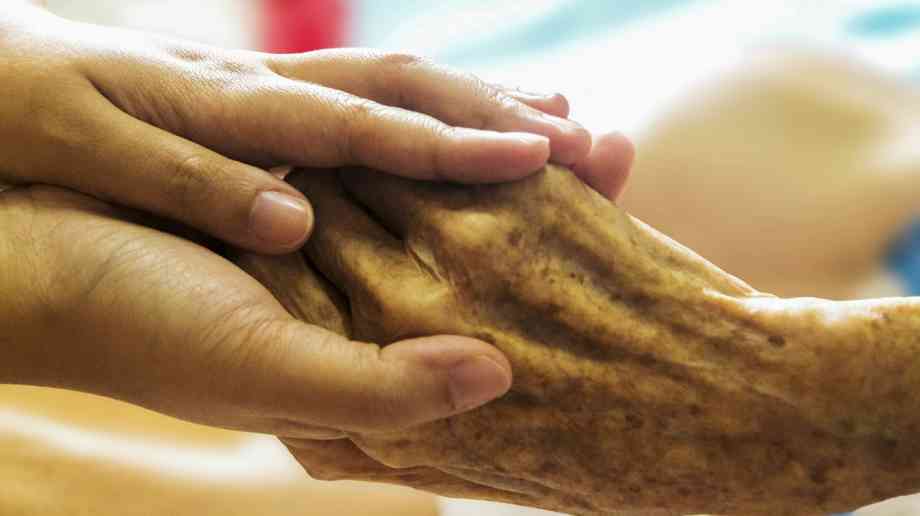
Social care bosses have said that thousands of people lost their lives 'prematurely' because care homes lacked the PPE and financial resources to cope with the coronavirus outbreak.
The rapid discharge of thousands of NHS patients into the care system to free up hospital beds for coronavirus patients began in mid-March. It was not until 15 April that the government recommended testing before admission to care homes, and there has been widespread criticism of the slow and chaotic rollout of the testing programme.
In a highly critical report, social care directors at ADASS argue that decisions to rapidly discharge many vulnerable patients from NHS hospitals to care homes without first testing them for the virus had 'tragic consequences' for residents and staff.
This was made worse by many care facilities having a shortage of PPE or where it was impossible to isolate them safely, sometimes when they could have returned home.
According to one recent estimate, care homes could account for half of all coronavirus deaths in England by the end of June.
James Bullion, president of ADASS, said directors were still not confident that testing was comprehensive enough, and PPE supply had only just begun to improve. He said there had been too much emphasis on protecting the NHS at the expense of care homes, which had been treated as an 'afterthought' in the fight against coronavirus.
Bullion, the director of adult social care at Norfolk county council, also claimed that the government’s £3.2 billion bailout of councils to meet the extra costs of the pandemic was inadequate.
He said: "The government must ensure that social care is never again left exposed to a pandemic. This starts by protecting those of us with care and support needs from the current and subsequent waves of Covid-19 and extends to ensuring social care is at the centre of all future emergency planning and preparation.
"Whilst the wider population may be moving out of the coronavirus peak, Covid-19 will be with older and disabled people for a very long time. Easing the lockdown is about more than opening doors it is about unlocking people’s lives – restoring care and support, assessing needs, preparing for the inevitable surge in demand for care and enabling us all to live our lives again. Learning the lessons from the Covid-19 pandemic, the government must seize the opportunity to reform and reset social care as part of the wider post Covid-19 recovery."
Liz Kendall, the shadow minister for social care, said: “These findings expose the devastating impact Covid-19 has had on social care, and the grief and trauma that so many people have been through. The government has been too slow to protect elderly and disabled people and support those who need help most, and Adass is right to say social care must never be exposed like this again.”
Miriam Deakin, director of policy and strategy at NHS Providers, said: “Today’s report very helpfully demonstrates just how much pressure the social care sector has been under during the pandemic, particularly around rapid access to sufficient testing capacity and a reliable supply of personal protective equipment (PPE). Funding is also a challenge for the sector, with Covid-19 exacerbating the already fragile social care market due to the increased costs of PPE and decreased income from fewer referrals into care homes.
“The report’s findings echo the concerns of NHS leaders that for too long the social care sector has been neglected. The health and care sectors work together to keep patients safe and the impacts of years of underinvestment in social care are felt right across the system . Our recent report highlighted the many ways in which trusts have been working with local authorities and care homes during the pandemic, providing support on PPE, testing, infection control and temporary staffing.
“However, the social care sector crucially needs adequate investment through a long-term settlement to put it back on a sustainable footing. There must also be continued collaboration between health and care organisations to ensure people receive joined-up, high-quality care. If the social care crisis is not addressed urgently through reform and long-term funding, local authorities’ concerns about the rise of unmet need during COVID-19 will continue to increase. Trusts will also see an increase in avoidable hospital admissions, as vulnerable people deteriorate without the social care support they need to stay well in the community.”
Latest News

16/02/2024 - 12:56
Hammersmith and Fulham Council has created a new alliance intended to clean dirty air and improve residents' health.

16/02/2024 - 10:44
Two million more GP appointments a month are being delivered for patients compared to the same month before the pandemic as part of the NHS primary care access recovery plan according to new NHS data.

15/02/2024 - 10:26
The Welsh Government has provided innovation funding of £380,000 to support two projects utilising technology in domiciliary care.

15/02/2024 - 10:13
The new Scottish health secretary has met with frontline staff at Queen Elizabeth University Hospital in Glasgow.

14/02/2024 - 10:27
The North East London NHS Foundation Trust (NELFT) has appointed three new Executive Directors to the Trust Board.
Product Features

UK Building Regulations highlight toxic gas and smoke from layers of paint built up over multiple redecorations as a major cause of permanent ill health or death in a building fire.
Their concern rose with discovery the flame retardant paints most widely used paint along escape routes have been ones which to this day counter-productively use emission of heavy toxic gas to smother flames which rapidly spread along walls if layers of paint delaminate in a fire.
Supplier Profiles

Northwich’s Victoria Infirmary (VIN) Community Diagnostic Centre (CDC) has enabled more patients

Adveco, the commercial hot water specialist, announces the launch of live metering of domestic ho
Latest Features

Sarah Greenslade, public affairs and communications officer at the British Parking Association looks at some of the problems and innovations in healthcare parking

It’s easy to assume that the comms team is there to handle press enquiries and the occasional social media storm – but the reality is that strategic communications can make a measurable impact across the entire organisation, from operational to financial, when done properly


