
This story was first published in digitalhealth.net

Maternity teams praised for coronavirus efforts
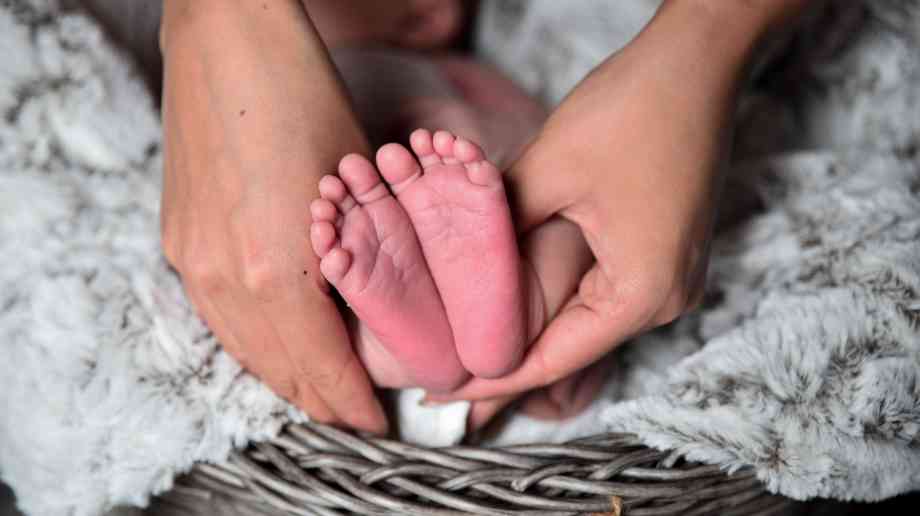
England’s top midwife has praised NHS maternity teams for providing high quality care in the face of the most significant challenge to ever face the health services.
Marking International Day of the Midwife, NHS chief midwifery officer, Professor Jacqueline Dunkley-Bent, has praised her colleagues around the country who have come up with innovative ways to carry on delivering services in the safest way possible for parents and children alike. This includes the rapid uptake of video consultations and online clinics to allow expectant families to keep in touch with their midwives from the safety of their own home, but ensuring that women attend essential face to face visits.
Since the coronavirus high alert was first issued at the start of February, local midwives and maternity services have helped to bring an estimated 158,000 babies into the world.
However, it has been revealed that fear of contracting the virus is leading to some women not attending routine appointments, or not getting in touch with their midwife or maternity team as quickly as they usually would with any concerns.
Dunkley-Bent said: “Anyone who has ever given birth or worked as a midwife will tell you that when a baby is ready to be born, he or she will not wait. So, while the NHS staff have been pulling out all the stops to deal with the greatest public health threat in over a century, our midwives and their colleagues have also continued to work around the clock to deliver more than 150,000 babies, and support hundreds of thousands more new and expectant families through a really uncertain time.
“If you’re an expectant new mum, I want you to know that the NHS is still here for you and has gone to great lengths to ensure the safety of you and your baby, so please, help us help you: if you’re worried about your health or that of your baby, contact your midwife just as you always would, and if you’re asked to come in for a planned or urgent check, it’s vital that you do so.”
Angela McConville, chief executive of the National Childbirth Trust, said: “Coronavirus has led to increased feelings of anxiety and isolation amongst expectant and new parents. We’ve heard how worried women are about their and their babies’ health, as well as the care and support they will receive before, during and after birth.
“It’s really important that women continue to attend appointments during pregnancy and ask for help if they are worried about themselves or their baby. We’ve heard so many positive stories of how maternity services have adapted to make sure women still receive really excellent care. I would like all expectant parents to hear this message – the NHS is still here for you and it’s vital that you get the checks and support that you need.”
Meanwhile, pregnancy support helplines have experienced a massive spike in distressed pregnant women asking for urgent help as charities warn coronavirus upheaval is placing pregnant women at risk. Birthrights, a maternity care charity, found enquiries to its advice line in March were up by 464 per cent in comparison to March last year.
Latest News

16/02/2024 - 12:56
Hammersmith and Fulham Council has created a new alliance intended to clean dirty air and improve residents' health.

16/02/2024 - 10:44
Two million more GP appointments a month are being delivered for patients compared to the same month before the pandemic as part of the NHS primary care access recovery plan according to new NHS data.

15/02/2024 - 10:26
The Welsh Government has provided innovation funding of £380,000 to support two projects utilising technology in domiciliary care.

15/02/2024 - 10:13
The new Scottish health secretary has met with frontline staff at Queen Elizabeth University Hospital in Glasgow.

14/02/2024 - 10:27
The North East London NHS Foundation Trust (NELFT) has appointed three new Executive Directors to the Trust Board.
Product Features

UK Building Regulations highlight toxic gas and smoke from layers of paint built up over multiple redecorations as a major cause of permanent ill health or death in a building fire.
Their concern rose with discovery the flame retardant paints most widely used paint along escape routes have been ones which to this day counter-productively use emission of heavy toxic gas to smother flames which rapidly spread along walls if layers of paint delaminate in a fire.
Supplier Profiles

Northwich’s Victoria Infirmary (VIN) Community Diagnostic Centre (CDC) has enabled more patients

Adveco, the commercial hot water specialist, announces the launch of live metering of domestic ho
Latest Features

Sarah Greenslade, public affairs and communications officer at the British Parking Association looks at some of the problems and innovations in healthcare parking

It’s easy to assume that the comms team is there to handle press enquiries and the occasional social media storm – but the reality is that strategic communications can make a measurable impact across the entire organisation, from operational to financial, when done properly


