
This story was first published in digitalhealth.net

Blue light partnership launched to tackle coronavirus
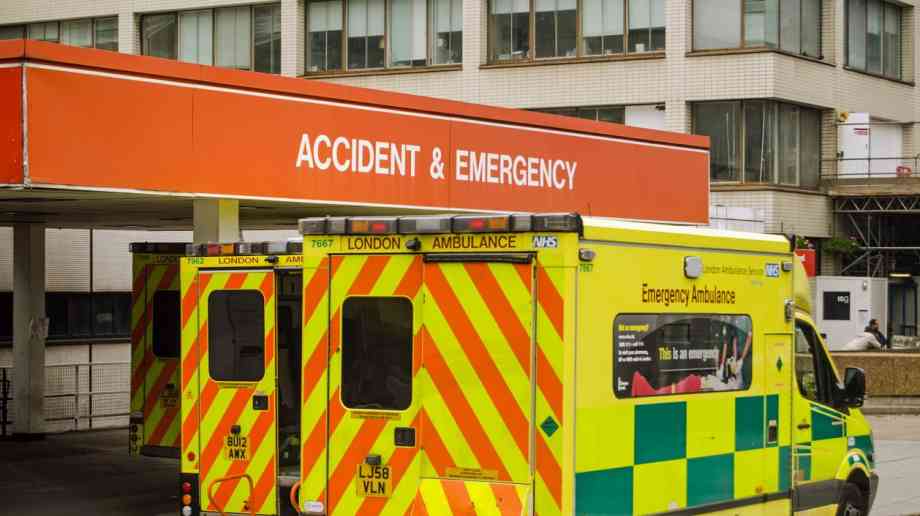
London Ambulance Service and London Fire Brigade have announced a new partnership to boost the coronavirus emergency response which will see firefighters helping with a number of roles across the ambulance service.
It means that up to 300 staff from London Fire Brigade could drive ambulances and assist paramedics as directed. This will ramp up capacity fast to provide a massive increase in our ability to respond quickly to Londoners in need as demand further escalates across the capital.
The plans follows a national agreement last week between the National Employers, National Fire Chiefs Council and the Fire Brigades Union to support local authorities and the NHS, including ambulance services.
Garrett Emmerson, chief executive of London Ambulance Service, said: “We have a fantastic ongoing relationship with London Fire Brigade and regularly collaborate closely in a number of ways – whether that be co-responding to road traffic collisions and house fires, or our medics training fire crews to administer CPR and a use a defibrillator if they are first on scene at a cardiac arrest.
“This new agreement with LFB comes at a time when we and the rest of the NHS are facing the biggest public health challenge in our history. We are already dealing with unprecedented levels of demand as a result of Covid-19 – receiving more than 11,000 calls for an ambulance every day – and we know the peak of the pandemic is still to come. As part of our preparations we must reach out to all our partners to help boost our response so we can continue to treat every patient who needs us during this difficult time.”
Andy Roe, London Fire Brigade Commissioner, said: “We are committed to doing all we can to support a joint emergency response in the capital to Covid 19. Within hours of us agreeing the detail of how we can support London Ambulance Service and NHS partners, we had hundreds of firefighters step forward to volunteer. We’ve changed our operations to reduce non-critical training and some of the community safety work that we can’t do at this time, in order to maintain our operational resilience and provide support such as this for however long the situation lasts.”
Latest News

16/02/2024 - 12:56
Hammersmith and Fulham Council has created a new alliance intended to clean dirty air and improve residents' health.

16/02/2024 - 10:44
Two million more GP appointments a month are being delivered for patients compared to the same month before the pandemic as part of the NHS primary care access recovery plan according to new NHS data.

15/02/2024 - 10:26
The Welsh Government has provided innovation funding of £380,000 to support two projects utilising technology in domiciliary care.

15/02/2024 - 10:13
The new Scottish health secretary has met with frontline staff at Queen Elizabeth University Hospital in Glasgow.

14/02/2024 - 10:27
The North East London NHS Foundation Trust (NELFT) has appointed three new Executive Directors to the Trust Board.
Product Features

UK Building Regulations highlight toxic gas and smoke from layers of paint built up over multiple redecorations as a major cause of permanent ill health or death in a building fire.
Their concern rose with discovery the flame retardant paints most widely used paint along escape routes have been ones which to this day counter-productively use emission of heavy toxic gas to smother flames which rapidly spread along walls if layers of paint delaminate in a fire.
Supplier Profiles

Northwich’s Victoria Infirmary (VIN) Community Diagnostic Centre (CDC) has enabled more patients

Adveco, the commercial hot water specialist, announces the launch of live metering of domestic ho
Latest Features

Sarah Greenslade, public affairs and communications officer at the British Parking Association looks at some of the problems and innovations in healthcare parking

It’s easy to assume that the comms team is there to handle press enquiries and the occasional social media storm – but the reality is that strategic communications can make a measurable impact across the entire organisation, from operational to financial, when done properly


