
This story was first published in digitalhealth.net

750,000 volunteers recruited to tackle coronavirus
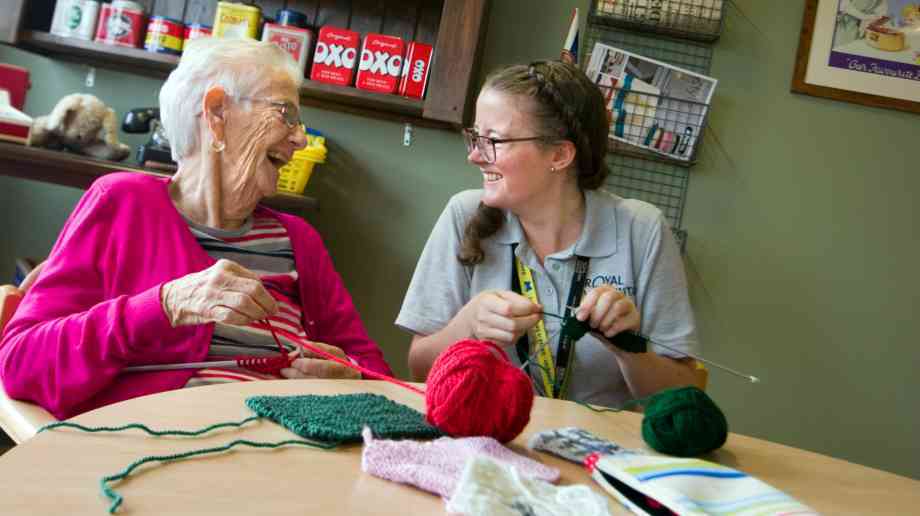
The Royal Voluntary Service has announced that the number of people committing to join the NHS coronavirus effort is three times higher than initially targeted.
The NHS Volunteer Responders recruitment initiative has recruited 750,000 people just two days after the target was increased after hitting its initial quarter of a million target within less than 24 hours. The drive will now be temporarily paused to enable the charity to process the applications and work together with the NHS to get the volunteer army up and running.
Those volunteering will be helping the NHS by performing one of four vital roles which help people without compromising strict government advice on self-isolation and social distancing. This could be a: Community Response volunteer; Patient Transport volunteer; NHS Transport volunteer; or a Check in and Chat volunteer.
A Community Response volunteer will collect shopping, medication or other essential supplies for someone who is self-isolating, and deliver these supplies to their home. A Patient Transport volunteer will support the NHS by providing transport to patients who are medically fit for discharge, and ensure that they are settled safely back in to their home. NHS Transport volunteers will transport equipment, supplies and/or medication between NHS services and sites, and possibly also assist pharmacies with medication delivery. Lastly, a Check in and Chat volunteer provides short-term telephone support to individuals who are at risk of loneliness as a consequence of self-isolation.
Catherine Johnstone, chief executive of Royal Voluntary Service, said: “On Tuesday evening, Royal Voluntary Service readied itself to launch the biggest call out for volunteers in England since the Second World War. Less than 24 hours later, we had hit our target of 250,000 sign-ups and today that number is at 750,000. We have been absolutely overwhelmed by the response and cannot thank the public enough. As history shows, it is often in times of crisis that we pull together and become our best selves.
“Our team is now working flat out with colleagues in NHS England to process the many thousands of applications we’ve received, so we can get volunteers up and running as soon as possible and matched with patients that they can begin to support. Due to the enormous volume of applications, we have now paused recruitment and ask anyone who is still interested in volunteering to wait a few weeks for the application process to reopen. This will enable our team to focus on getting the first tranche of volunteers checked and out into the community. We fully expect that more volunteers will be required, and we will be issuing an update on areas of the country and roles that we still need to fill as soon as we can.”
Latest News

16/02/2024 - 12:56
Hammersmith and Fulham Council has created a new alliance intended to clean dirty air and improve residents' health.

16/02/2024 - 10:44
Two million more GP appointments a month are being delivered for patients compared to the same month before the pandemic as part of the NHS primary care access recovery plan according to new NHS data.

15/02/2024 - 10:26
The Welsh Government has provided innovation funding of £380,000 to support two projects utilising technology in domiciliary care.

15/02/2024 - 10:13
The new Scottish health secretary has met with frontline staff at Queen Elizabeth University Hospital in Glasgow.

14/02/2024 - 10:27
The North East London NHS Foundation Trust (NELFT) has appointed three new Executive Directors to the Trust Board.
Product Features

UK Building Regulations highlight toxic gas and smoke from layers of paint built up over multiple redecorations as a major cause of permanent ill health or death in a building fire.
Their concern rose with discovery the flame retardant paints most widely used paint along escape routes have been ones which to this day counter-productively use emission of heavy toxic gas to smother flames which rapidly spread along walls if layers of paint delaminate in a fire.
Supplier Profiles

Northwich’s Victoria Infirmary (VIN) Community Diagnostic Centre (CDC) has enabled more patients

Adveco, the commercial hot water specialist, announces the launch of live metering of domestic ho
Latest Features

Sarah Greenslade, public affairs and communications officer at the British Parking Association looks at some of the problems and innovations in healthcare parking

It’s easy to assume that the comms team is there to handle press enquiries and the occasional social media storm – but the reality is that strategic communications can make a measurable impact across the entire organisation, from operational to financial, when done properly


