
This story was first published in digitalhealth.net

Routine GP work may be dropped due to coronavirus
The British Medical Association has said that routine monitoring of long-term conditions could stop, in order for GPs to focus on the sickest patients as the coronavirus outbreak worsens.
GPs said they were having to make difficult decisions about where to see patients, if they could not be managed on the phone, and there was a lack of guidance about what to do for them. Some described measures such as seeing patients in a designated room or at the end of surgery, while others said they were wearing 'catering aprons' due to a lack of equipment.
NHS England has said protective kits would be delivered to GPs this week, but there are growing concerns about assessing patients, and supplies of protective equipment like gloves and masks.
Dr Richard Vautrey, chair of the BMA's GPs committee, warned patients with mild health complaints should expect to wait longer to see their GP.
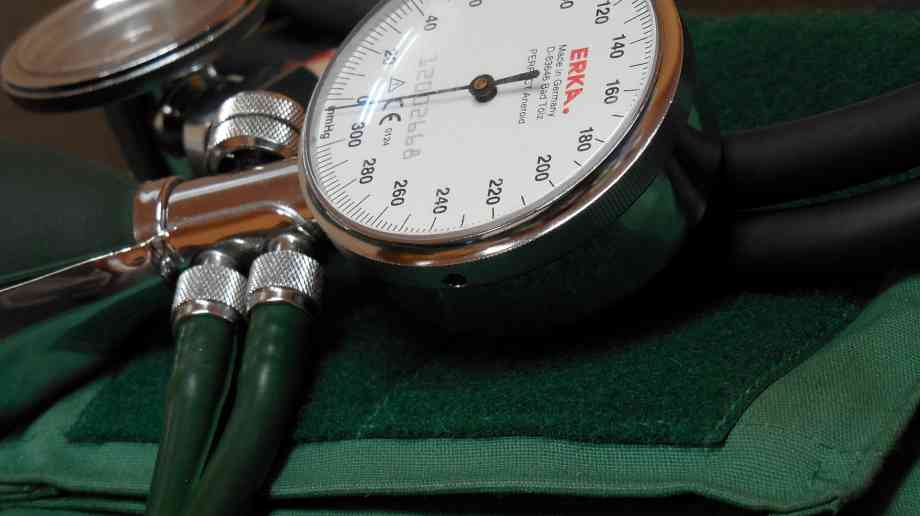
He told the BBC: "We do expect cases to rise rapidly and over the coming weeks. We will need to stop doing much of the routine work that we do week-by-week to enable us to focus on the sickest patients and prioritise those who most need us. Practices that are routinely doing routine health checks, assessing blood pressure, diabetic control, and long term problems with heart and lung disease. Those routine checks will need to stop.
"We'll need to prioritise not only those with potential Covid infections, but also the sickest patients who will need to continue to receive our direct care. It does mean that some patients may have to wait longer than normal to see their GP. It's likely to continue for at least a few weeks, if not months. And it's quite possible that there will be more than one wave of infection."
At the moment, there is guidance around testing patients who have been to a high-risk country in the past 14 days or have been in close contact with someone with coronavirus. However there are concerns around patients who report a fever, cough and shortness of breath - the main coronavirus symptoms - but do not meet those criteria.
As well as equipment shortage concerns, doctors also said they had contacted Public Health England (PHE) to find out more details of local diagnoses, but were unable to find out any more information than was already published online.
Prof Martin Marshall, chair of the RCGP, said it was important that everyone in the NHS had 'clear, concise guidance'. He welcomed advice issued by the NHS to GPs last week, including the suggestion patients should no longer be able to book appointments online without being spoken to first. However, he added his voice to the 'confusion around triage and the appropriate steps that GPs and their teams should take, particularly for patients who don't fit all current criteria for Covid-19'.
The protective kits set to be sent out to GPs from this week will include general use aprons, examination gloves and fluid repellent face masks. Larger surgeries will receive repeat deliveries to ensure they have sufficient amounts.
Latest News

16/02/2024 - 12:56
Hammersmith and Fulham Council has created a new alliance intended to clean dirty air and improve residents' health.

16/02/2024 - 10:44
Two million more GP appointments a month are being delivered for patients compared to the same month before the pandemic as part of the NHS primary care access recovery plan according to new NHS data.

15/02/2024 - 10:26
The Welsh Government has provided innovation funding of £380,000 to support two projects utilising technology in domiciliary care.

15/02/2024 - 10:13
The new Scottish health secretary has met with frontline staff at Queen Elizabeth University Hospital in Glasgow.

14/02/2024 - 10:27
The North East London NHS Foundation Trust (NELFT) has appointed three new Executive Directors to the Trust Board.
Product Features

UK Building Regulations highlight toxic gas and smoke from layers of paint built up over multiple redecorations as a major cause of permanent ill health or death in a building fire.
Their concern rose with discovery the flame retardant paints most widely used paint along escape routes have been ones which to this day counter-productively use emission of heavy toxic gas to smother flames which rapidly spread along walls if layers of paint delaminate in a fire.
Supplier Profiles

Northwich’s Victoria Infirmary (VIN) Community Diagnostic Centre (CDC) has enabled more patients

Adveco, the commercial hot water specialist, announces the launch of live metering of domestic ho
Latest Features

Sarah Greenslade, public affairs and communications officer at the British Parking Association looks at some of the problems and innovations in healthcare parking

It’s easy to assume that the comms team is there to handle press enquiries and the occasional social media storm – but the reality is that strategic communications can make a measurable impact across the entire organisation, from operational to financial, when done properly


