
This story was first published in digitalhealth.net

NHS announces boost to coronavirus testing labs
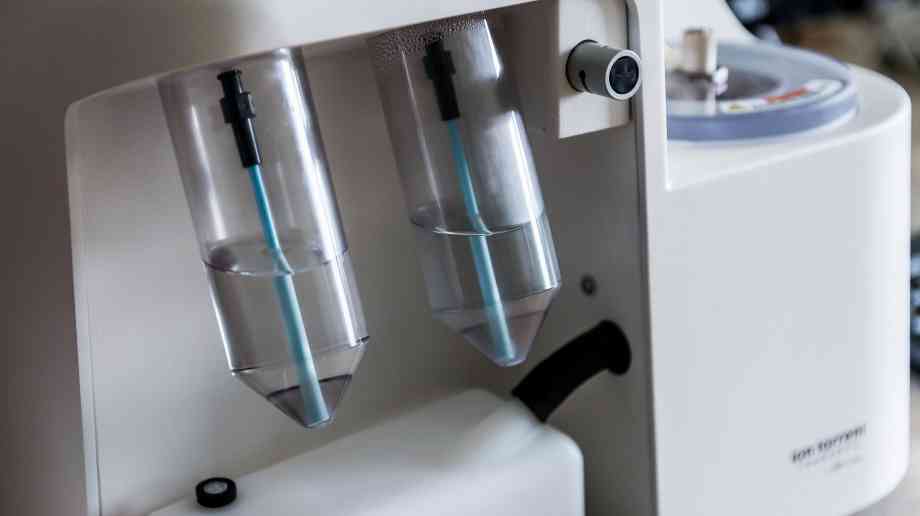
NHS England and Public Health England are undertaking a significant expansion of coronavirus testing, with enhanced labs helping the health service carry out 10,000 tests daily.
PHE has developed a highly sensitive test to detect the virus, one of the first countries in the world to do so, which has been rapidly rolled out to their regional labs across the country. Approximately 1,500 tests are being processed every day at PHE labs with the great majority of tests being turned around within 24 hours. As of 10 March, PHE has processed over 25,000 tests and says that it has not exceeded capacity during this time.
As more people come forward to be tested, the NHS is now scaling up tests by 500 per cent, with NHS England asking expert NHS laboratory services across the country to bring new capacity online, and other labs to begin checks, enabling 8,000 more samples to be analysed every day of the week. As a result of this, positive test result confirmation will be accelerated, helping people take the right action to recover or get treatment, quickly.
As well as testing of people who meet the criteria for being at risk, the NHS and PHE are also carrying out surveillance testing on others, including people in wards and surgeries showing signs of the virus. The additional resource to process more tests will mean local hospital labs will join specialist services in being able to accurately detect the presence of the new virus, with learning and technology shared across NHS services nationwide.
The first phase of this scaling up called on 10 NHS microbiology services to step up capacity, the next phase will call on 29 NHS pathology networks to allocate further testing to some of their 122 services, while ensuring day to day analysis for other conditions continues. To support this, the NHS is also introducing seven regional co-ordination centres to get tests back to people as quickly as possible.
Professor Dame Sue Hill, NHS chief scientific officer, said: “The NHS is ramping up the number of testing centres across the country, to help people get care quickly or have their mind put at ease. England’s NHS has world-leading expertise and every hospital across the country, and the healthcare professionals who run them, are now actively planning to respond flexibly to manage new demand. The public can help us to help the country to stay safe by practicing good hygiene and washing their hands more often, for at least 20 seconds.”
As of the mornig of the 10 March 2020, 26,261 people have been tested in the UK, of which 25,888 were confirmed negative and 373 were confirmed as positive. Six patients who tested positive for COVID-19 have died.
Latest News

16/02/2024 - 12:56
Hammersmith and Fulham Council has created a new alliance intended to clean dirty air and improve residents' health.

16/02/2024 - 10:44
Two million more GP appointments a month are being delivered for patients compared to the same month before the pandemic as part of the NHS primary care access recovery plan according to new NHS data.

15/02/2024 - 10:26
The Welsh Government has provided innovation funding of £380,000 to support two projects utilising technology in domiciliary care.

15/02/2024 - 10:13
The new Scottish health secretary has met with frontline staff at Queen Elizabeth University Hospital in Glasgow.

14/02/2024 - 10:27
The North East London NHS Foundation Trust (NELFT) has appointed three new Executive Directors to the Trust Board.
Product Features

UK Building Regulations highlight toxic gas and smoke from layers of paint built up over multiple redecorations as a major cause of permanent ill health or death in a building fire.
Their concern rose with discovery the flame retardant paints most widely used paint along escape routes have been ones which to this day counter-productively use emission of heavy toxic gas to smother flames which rapidly spread along walls if layers of paint delaminate in a fire.
Supplier Profiles

Northwich’s Victoria Infirmary (VIN) Community Diagnostic Centre (CDC) has enabled more patients

Adveco, the commercial hot water specialist, announces the launch of live metering of domestic ho
Latest Features

Sarah Greenslade, public affairs and communications officer at the British Parking Association looks at some of the problems and innovations in healthcare parking

It’s easy to assume that the comms team is there to handle press enquiries and the occasional social media storm – but the reality is that strategic communications can make a measurable impact across the entire organisation, from operational to financial, when done properly


