
This story was first published in digitalhealth.net

All adults to be automatically enrolled as organ donors
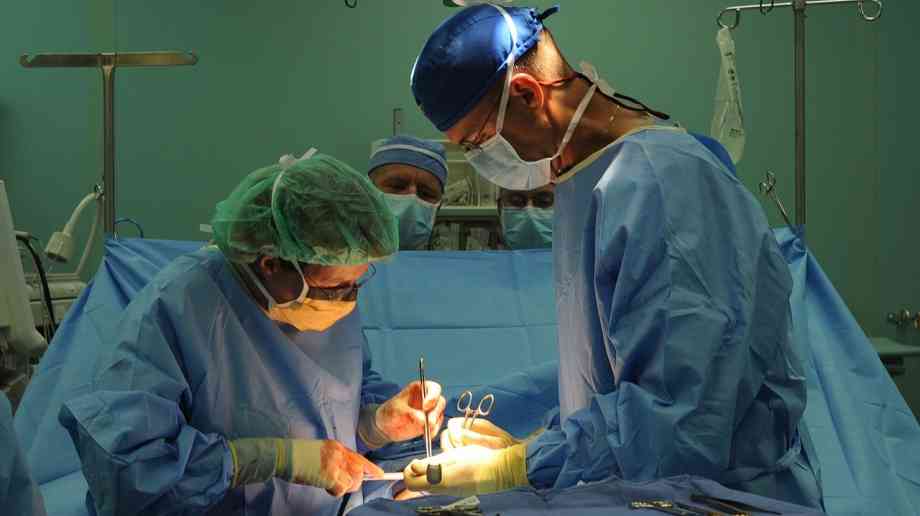
Under a new law due to come into force in May, all adults in England will be automatically enrolled as organ donors unless they choose to opt out.
It is estimated that the opt-out method, known as Max and Keira’s law, will contribute to an additional 700 organ transplants each year by 2023 and cut down the list of 5,200 people waiting for life-changing surgery. MPs are set to approve the system s part of a bid to boost the number of transplants on the NHS. Patients who have previously declared that they do not want to donate some or all of their organs will not have to re-record their decision.
If Parliamentary approval is given, 20 May will mark the point at which all adults in England will be considered to have agreed to donate their own organs when they die – unless they explicitly state otherwise or are in an excluded group. However, relatives will still be asked for their opinion which can lead to donations being blocked if they object regardless of the wishes of the deceased.
The Department of Health and Social Care has also stated that children under 18 will be excluded from the scheme, along with people who have lived in England for less than a year or have ‘lacked capacity for a significant time’.
Health secretary Matt Hancock said: “Too many people lose their lives waiting for an organ, and I’ve been determined to do what I can to boost organ donation rates.This is an important step forward in making organ donation easier and more available to those who need it and could help save hundreds of lives every year.”
Anthony Clarkson, director of organ donation at NHS Blood and Transplant, said: “We hope that the new law encourages more people to record their donation decision and talk about organ donation with their families.
“It is important for people to know that they can do this at any time before or after the law comes into effect. There is no deadline for making your donation decision. We are encouraged that almost two-thirds of people in England are now aware that the law is changing, but we would like this figure to be even higher by the time the law changes. The majority of people tell us that they support organ donation in principle, yet only around four in 10 have actually registered their decision.”
The law change has been welcomed by charities including the British Heart Foundation and Kidney Care UK.
John Chisholm, chair of the BMA Medical Ethics Committee, said: “The introduction of the new opt-out organ donation system is a hugely positive step and something that the BMA has been consistently campaigning for over the last 20 years. Last year more than 400 people died waiting for a transplant and the BMA wholeheartedly believes the opt-out model is the best way to address the serious organ shortage in England and will save many lives.
“With the change to the system now set to go ahead in the spring, it is essential that it is widely publicised and communicated to patients and the public, so people are fully aware of the changes and can choose to opt out of organ donation if they wish to do so. It is also vital that the NHS is given the proper resources and is fully staffed to ensure patients reap the full benefit of the new system and the potential increase in donations.”
Latest News

16/02/2024 - 12:56
Hammersmith and Fulham Council has created a new alliance intended to clean dirty air and improve residents' health.

16/02/2024 - 10:44
Two million more GP appointments a month are being delivered for patients compared to the same month before the pandemic as part of the NHS primary care access recovery plan according to new NHS data.

15/02/2024 - 10:26
The Welsh Government has provided innovation funding of £380,000 to support two projects utilising technology in domiciliary care.

15/02/2024 - 10:13
The new Scottish health secretary has met with frontline staff at Queen Elizabeth University Hospital in Glasgow.

14/02/2024 - 10:27
The North East London NHS Foundation Trust (NELFT) has appointed three new Executive Directors to the Trust Board.
Product Features

UK Building Regulations highlight toxic gas and smoke from layers of paint built up over multiple redecorations as a major cause of permanent ill health or death in a building fire.
Their concern rose with discovery the flame retardant paints most widely used paint along escape routes have been ones which to this day counter-productively use emission of heavy toxic gas to smother flames which rapidly spread along walls if layers of paint delaminate in a fire.
Supplier Profiles

Northwich’s Victoria Infirmary (VIN) Community Diagnostic Centre (CDC) has enabled more patients

Adveco, the commercial hot water specialist, announces the launch of live metering of domestic ho
Latest Features

Sarah Greenslade, public affairs and communications officer at the British Parking Association looks at some of the problems and innovations in healthcare parking

It’s easy to assume that the comms team is there to handle press enquiries and the occasional social media storm – but the reality is that strategic communications can make a measurable impact across the entire organisation, from operational to financial, when done properly


