
This story was first published in digitalhealth.net

Patients at risk in ‘crumbling’ mental health wards
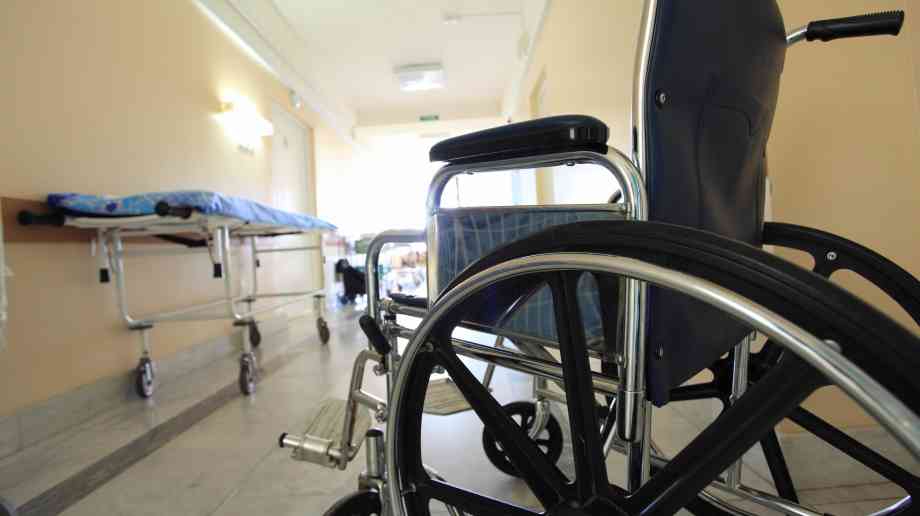
New data has revealed that patient safety is at risk in ‘crumbling’ NHS mental health hospitals in desperate need of funding to improve dilapidated buildings.
Hundreds of vulnerable mentally ill patients are still being cared for in 350 old dormitory-style wards, two decades after the NHS was told to provide all patients with en-suite rooms. The research also found that funding shortfalls have meant that too many wards still have ligature points that patients can use to try to harm themselves.
A briefing from NHS Providers, Mental health services: meeting the need for capital investment, sets out findings from a survey of mental health trust leaders and warns that, for 27 per cent of mental health trusts, funding allocated for capital investment would not even meet half of their current need.
Furthermore, two thirds of trusts estimate that they need between £50 million and £150 million of capital investment over the next five to ten years. One trust requires just over half a billion pounds to address maintenance and transform services to meet the needs of patients.
More than one in five trusts have faced enforcement action from Care Quality Commission (CQC) over the condition of facilities and the impact on quality and safety of patient care in the last three years. However, a number of trusts are not able to access the funding required to make these improvements. Two trusts warned that they are unable to meet over 70 per cent of the costs necessary to address CQC's safety concerns.
Saffron Cordery, deputy chief executive of NHS Providers, said: “We have warned repeatedly of the risks of neglecting investment in NHS mental health facilities. Vulnerable patients are being placed at increased risk because the facilities they need are no longer fit for purpose to deliver the specialist care they deserve. It is not acceptable that dormitory-style wards are still used when all evidence points to the fact they can do more harm than good to those patients. On top of this, it is hugely demoralising to staff who are working flat out to provide the best care they can despite the environment in which they are working.
“We also see the system struggle to bring down out of area placements because of a lack of access to facilities. Receiving treatment, for extended periods of time, away from home and support networks, can be a very distressing and challenging experience for these patients and their families. If we mean what we say as we set out to deliver a relationship of equals between physical and mental health, we need to match it with action and investment. We need to see trusts have access to capital investment over the longer term if we are to rebuild and upgrade our services to meet the growing demand for mental health services.”
Latest News

16/02/2024 - 12:56
Hammersmith and Fulham Council has created a new alliance intended to clean dirty air and improve residents' health.

16/02/2024 - 10:44
Two million more GP appointments a month are being delivered for patients compared to the same month before the pandemic as part of the NHS primary care access recovery plan according to new NHS data.

15/02/2024 - 10:26
The Welsh Government has provided innovation funding of £380,000 to support two projects utilising technology in domiciliary care.

15/02/2024 - 10:13
The new Scottish health secretary has met with frontline staff at Queen Elizabeth University Hospital in Glasgow.

14/02/2024 - 10:27
The North East London NHS Foundation Trust (NELFT) has appointed three new Executive Directors to the Trust Board.
Product Features

UK Building Regulations highlight toxic gas and smoke from layers of paint built up over multiple redecorations as a major cause of permanent ill health or death in a building fire.
Their concern rose with discovery the flame retardant paints most widely used paint along escape routes have been ones which to this day counter-productively use emission of heavy toxic gas to smother flames which rapidly spread along walls if layers of paint delaminate in a fire.
Supplier Profiles

Northwich’s Victoria Infirmary (VIN) Community Diagnostic Centre (CDC) has enabled more patients

Adveco, the commercial hot water specialist, announces the launch of live metering of domestic ho
Latest Features

Sarah Greenslade, public affairs and communications officer at the British Parking Association looks at some of the problems and innovations in healthcare parking

It’s easy to assume that the comms team is there to handle press enquiries and the occasional social media storm – but the reality is that strategic communications can make a measurable impact across the entire organisation, from operational to financial, when done properly


