
This story was first published in digitalhealth.net

NHS treatment of minority ethnic staff highlighted
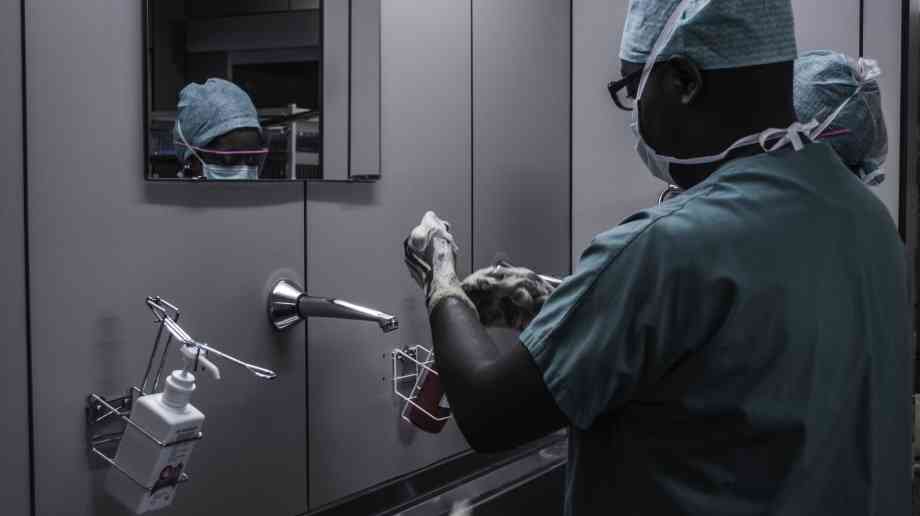
The latest workforce race equality data has shown that almost a third of black and minority ethnic staff in the health service have been bullied, harassed or abused by their own colleagues in the past year.
Five years after NHE England launched a drive to improve race equality, the data reflects very poorly on the health organisation, with minority ethnic staff in the NHS reporting a worsening experience as employees across four key areas. It has even raised concerns over whether the health service was ‘institutionally racist’.
The data indicates that 29 per cent of BME staff reported being bullied or abused by other NHS workers, up from 27 per cent in 2016. More BME staff also reported being discriminated against by their manager, up one per cent to 15.4 per cent since 2016.
The number of BME staff who felt they have equal career progression had also fallen, alongside a rise in staff reporting abuse and bullying from patients and the public.
Across England, 49 NHS trusts have a board that was comprised completely of white directors. However, the total number of BME staff at a very senior manager level has increased by 21, from 122 in 2018 to 143 in 2019.
Paul Donaldson, from the Hospital Consultants and Specialists Association trade union, said: “It is deeply concerning to see that progress has not only stalled but reversed. These shocking figures demonstrate that simply hoping that the situation will improve is not good enough. We need a system-wide approach to tackling these deep-rooted issues, which could in some cases amount to institutional racism.
“We have been calling for an independent inquiry into the ethnicity pay gap in medicine for a number of years and we reiterate that call today. We also need to move towards a situation where nobody working in the NHS should have to feel unsafe when they are at work.”
Health Secretary Matt Hancock has written to all NHS staff about the problem of violence faced by those working for the NHS, referring to the 2019 NHS Staff Survey.
Latest News

16/02/2024 - 12:56
Hammersmith and Fulham Council has created a new alliance intended to clean dirty air and improve residents' health.

16/02/2024 - 10:44
Two million more GP appointments a month are being delivered for patients compared to the same month before the pandemic as part of the NHS primary care access recovery plan according to new NHS data.

15/02/2024 - 10:26
The Welsh Government has provided innovation funding of £380,000 to support two projects utilising technology in domiciliary care.

15/02/2024 - 10:13
The new Scottish health secretary has met with frontline staff at Queen Elizabeth University Hospital in Glasgow.

14/02/2024 - 10:27
The North East London NHS Foundation Trust (NELFT) has appointed three new Executive Directors to the Trust Board.
Product Features

UK Building Regulations highlight toxic gas and smoke from layers of paint built up over multiple redecorations as a major cause of permanent ill health or death in a building fire.
Their concern rose with discovery the flame retardant paints most widely used paint along escape routes have been ones which to this day counter-productively use emission of heavy toxic gas to smother flames which rapidly spread along walls if layers of paint delaminate in a fire.
Supplier Profiles

Northwich’s Victoria Infirmary (VIN) Community Diagnostic Centre (CDC) has enabled more patients

Adveco, the commercial hot water specialist, announces the launch of live metering of domestic ho
Latest Features

Sarah Greenslade, public affairs and communications officer at the British Parking Association looks at some of the problems and innovations in healthcare parking

It’s easy to assume that the comms team is there to handle press enquiries and the occasional social media storm – but the reality is that strategic communications can make a measurable impact across the entire organisation, from operational to financial, when done properly


