
This story was first published in digitalhealth.net

Coronavirus face-masks causing dentistry shortages
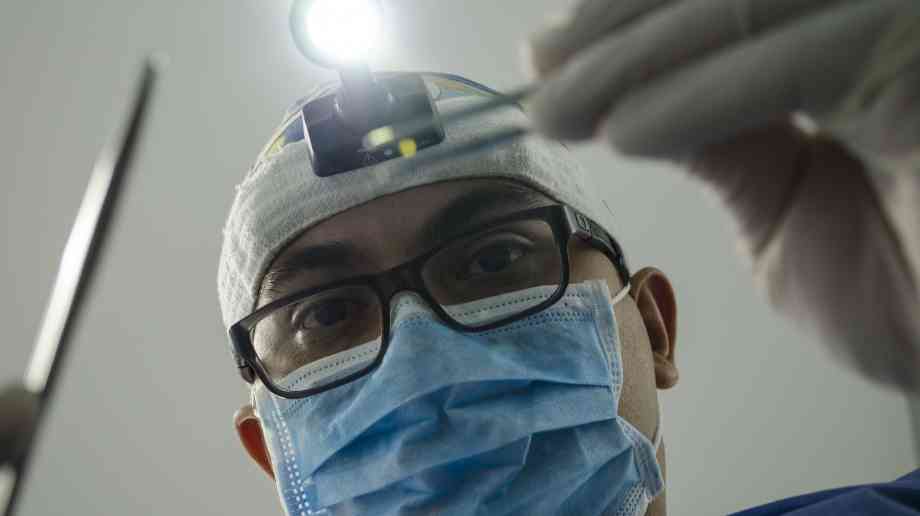
The British Dental Association has warned that the shortage of face masks sparked by the coronavirus outbreak now poses an imminent risk of disruption to UK dental services.
The association reports it has been inundated by calls from member practices unclear on their options, in the wake of panic buying and supply problems, and says that, unless officials and industry are prepared to ease rationing, the risk is likely to rise.
All dental professionals operating in England should wear Personal Protective Equipment, including disposable face masks, clinical gloves, household gloves, plastic disposable aprons, and eye protection.
A 'one size fits all' model of rationing has already left practices unable to order more than two boxes of masks per day, roughly 100 masks, irrespective of their size. However, a single surgery in a typical NHS practice, seeing around 28 patients per day, will be getting through five boxes of masks a week. Private practices which typically see fewer patients, are consuming half as many, around 2.5 boxes a week.
China is the world's leading manufacturer of sanitary masks, and the BDA claims that several suppliers have tripled their prices since January.
The BDA has indicated it will ask NHS England and the Welsh Government to invoke force majeure clauses in NHS contracts should the situation deteriorate further, in order to protect multiple practices left unable to meet their contractual targets in the event of disruption.
Mick Armstrong, chair of the BDA, said: "In recent weeks dentists have been hit by panic buying, clumsy rationing and naked profiteering. Sadly a 'one size fits all' approach from suppliers is leaving many larger practices with few options. Our abiding interest is the safety of our patients, who face imminent disruption to their care. Unless we see a rapid increase in supply dentists without face masks will have little choice but to down drills."
Latest News

16/02/2024 - 12:56
Hammersmith and Fulham Council has created a new alliance intended to clean dirty air and improve residents' health.

16/02/2024 - 10:44
Two million more GP appointments a month are being delivered for patients compared to the same month before the pandemic as part of the NHS primary care access recovery plan according to new NHS data.

15/02/2024 - 10:26
The Welsh Government has provided innovation funding of £380,000 to support two projects utilising technology in domiciliary care.

15/02/2024 - 10:13
The new Scottish health secretary has met with frontline staff at Queen Elizabeth University Hospital in Glasgow.

14/02/2024 - 10:27
The North East London NHS Foundation Trust (NELFT) has appointed three new Executive Directors to the Trust Board.
Product Features

UK Building Regulations highlight toxic gas and smoke from layers of paint built up over multiple redecorations as a major cause of permanent ill health or death in a building fire.
Their concern rose with discovery the flame retardant paints most widely used paint along escape routes have been ones which to this day counter-productively use emission of heavy toxic gas to smother flames which rapidly spread along walls if layers of paint delaminate in a fire.
Supplier Profiles

Northwich’s Victoria Infirmary (VIN) Community Diagnostic Centre (CDC) has enabled more patients

Adveco, the commercial hot water specialist, announces the launch of live metering of domestic ho
Latest Features

Sarah Greenslade, public affairs and communications officer at the British Parking Association looks at some of the problems and innovations in healthcare parking

It’s easy to assume that the comms team is there to handle press enquiries and the occasional social media storm – but the reality is that strategic communications can make a measurable impact across the entire organisation, from operational to financial, when done properly


