
This story was first published in digitalhealth.net

Mobile mental health unit expanded London-wide
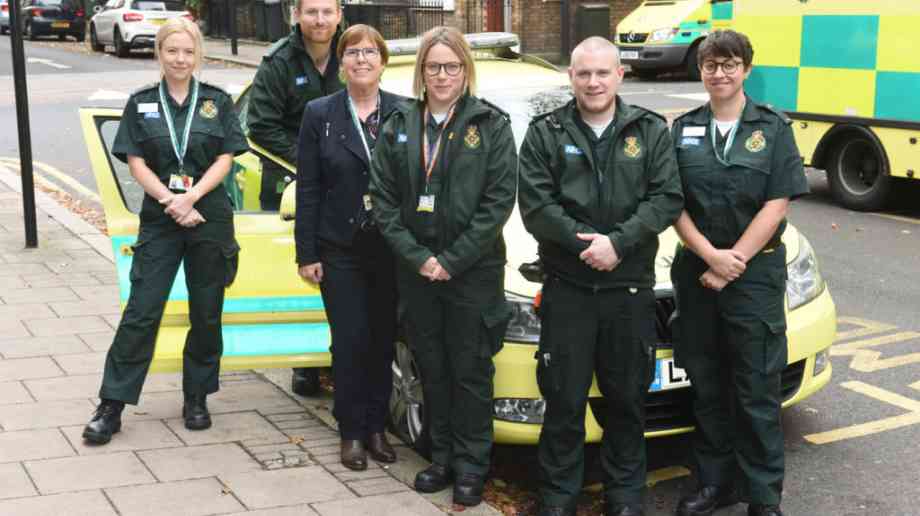
Five cars staffed by mental health nurses from NHS trusts around the capital and paramedics from London Ambulance Service are to treat the physical and mental health needs of patients together.
The pioneering scheme places an emphasis on linking mental health patients with the most appropriate treatment, including referrals to specialist care, and only taking them to A&E where this is necessary, ie because of an accompanying physical condition.
The fleet is an expansion of a mental health car service launched in South East London in November 2018 and will help alleviate pressure traditionally faced by the NHS in the final winter months this year. The service is estimated to have helped around 2,000 people suffering with mental health issues in the past year, with estimates that the scheme could halve the 60,000 annual mental health hospital admissions each year.
The South East London pilot also saw the proportion of patients taken to A&E more than halved from around 52 per cent to 18 per cent as more patients were treated effectively in their own homes or received other appropriate care.
The roll out is a significant boost to current staffing with 15 new nurses from nine mental health trusts in London and 15 London Ambulance Service paramedics delivering the service until the end of April.
Trisha Bain, chief quality officer at London Ambulance Service, who has responsibility for mental health services, said: “A&E is not always the right place for someone experiencing a mental health crisis, and can even be stressful or traumatising. This pioneering service is helping to ensure we provide the right and best possible care for people with mental health issues and is one of a number of ways we are safely reducing the number of people taken to hospital unnecessarily.
“Winter is traditionally a busy time for the National Health Service and this boost to our successful service will help us further refine how we deliver these services in London.”
Martin Machray, Interim Chief Nurse for the NHS in London, added: “Patients experiencing health crises often need the support and knowledge of a mental health professional as well as a paramedic. By treating both their physical and mental health needs, we can provide a better and more rounded care approach – and I am proud that London is leading the way with this wonderful project.”
Latest News

16/02/2024 - 12:56
Hammersmith and Fulham Council has created a new alliance intended to clean dirty air and improve residents' health.

16/02/2024 - 10:44
Two million more GP appointments a month are being delivered for patients compared to the same month before the pandemic as part of the NHS primary care access recovery plan according to new NHS data.

15/02/2024 - 10:26
The Welsh Government has provided innovation funding of £380,000 to support two projects utilising technology in domiciliary care.

15/02/2024 - 10:13
The new Scottish health secretary has met with frontline staff at Queen Elizabeth University Hospital in Glasgow.

14/02/2024 - 10:27
The North East London NHS Foundation Trust (NELFT) has appointed three new Executive Directors to the Trust Board.
Product Features

UK Building Regulations highlight toxic gas and smoke from layers of paint built up over multiple redecorations as a major cause of permanent ill health or death in a building fire.
Their concern rose with discovery the flame retardant paints most widely used paint along escape routes have been ones which to this day counter-productively use emission of heavy toxic gas to smother flames which rapidly spread along walls if layers of paint delaminate in a fire.
Supplier Profiles

Northwich’s Victoria Infirmary (VIN) Community Diagnostic Centre (CDC) has enabled more patients

Adveco, the commercial hot water specialist, announces the launch of live metering of domestic ho
Latest Features

Sarah Greenslade, public affairs and communications officer at the British Parking Association looks at some of the problems and innovations in healthcare parking

It’s easy to assume that the comms team is there to handle press enquiries and the occasional social media storm – but the reality is that strategic communications can make a measurable impact across the entire organisation, from operational to financial, when done properly


