
This story was first published in digitalhealth.net

Fully fund councils to avoid stalled roll out of PrEP
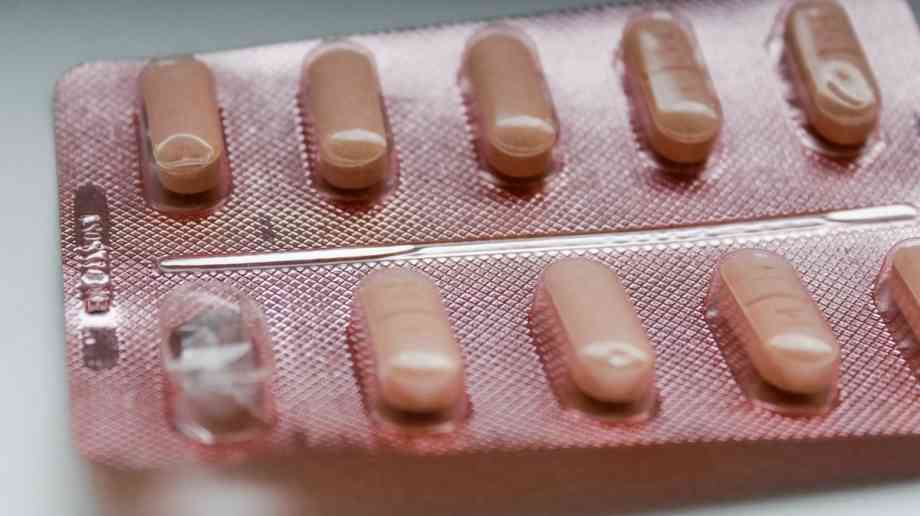
The cost of providing the PrEP drug, which could lead to the end of HIV nationwide, needs to be fully funded before its roll out by councils across the country.
That is the view of the Local Government Association, who says that councils’ already overstretched public health budgets - which have been reduced by £700 million in real terms between 2015 and 2020 - will struggle to meet this commitment unless government provides a guarantee to meet any extra and unforeseen costs of providing the drug.
Pre-exposure prophylaxis (PrEP) will be made routinely available from April via local authorities’ public health services, following a successful impact trial. It is recommended for people at high risk and is considered a game-changer in the fight against HIV, by being highly effective in reducing the risk of infection.
The cost will be met by NHS England, but its provision and services related to it will be borne by councils, as part of their existing HIV prevention strategies. Council leaders argue that they will struggle to meet this expectation and is therefore urging for long-term, sustainable funding of the public health services which help people stay healthy and reduce the strain on the NHS and social care.
An estimated 103,800 people were living with HIV in the UK in 2018, with 7,500 of those unaware of their infection. It is estimated that it costs almost £380,000 to treat one person with HIV across their lifetime.
Ian Hudspeth, chairman of the LGA’s Community Wellbeing Board, said: “PrEP is a game-changer in preventing new HIV infections and a vital weapon in our prevention armoury. This is a potentially life-saving drug which can help us achieve the government's ambition of getting us closer to zero transmission by 2030.
“While councils share this ambition and want to see this drug available to everyone who needs it, they will struggle to afford to provide it while their existing public health services continue to be under such strain. Rising demand and increasing attendances at councils’ sexual health clinics, coupled with funding reductions over the last five years, could mean they have little or no capacity left to offer PrEP. Councils want to work with government to ensure that together, with the right resources in place, we meet this shared commitment to eliminating HIV in this country by the end of the decade.”
Latest News

16/02/2024 - 12:56
Hammersmith and Fulham Council has created a new alliance intended to clean dirty air and improve residents' health.

16/02/2024 - 10:44
Two million more GP appointments a month are being delivered for patients compared to the same month before the pandemic as part of the NHS primary care access recovery plan according to new NHS data.

15/02/2024 - 10:26
The Welsh Government has provided innovation funding of £380,000 to support two projects utilising technology in domiciliary care.

15/02/2024 - 10:13
The new Scottish health secretary has met with frontline staff at Queen Elizabeth University Hospital in Glasgow.

14/02/2024 - 10:27
The North East London NHS Foundation Trust (NELFT) has appointed three new Executive Directors to the Trust Board.
Product Features

UK Building Regulations highlight toxic gas and smoke from layers of paint built up over multiple redecorations as a major cause of permanent ill health or death in a building fire.
Their concern rose with discovery the flame retardant paints most widely used paint along escape routes have been ones which to this day counter-productively use emission of heavy toxic gas to smother flames which rapidly spread along walls if layers of paint delaminate in a fire.
Supplier Profiles

Northwich’s Victoria Infirmary (VIN) Community Diagnostic Centre (CDC) has enabled more patients

Adveco, the commercial hot water specialist, announces the launch of live metering of domestic ho
Latest Features

Sarah Greenslade, public affairs and communications officer at the British Parking Association looks at some of the problems and innovations in healthcare parking

It’s easy to assume that the comms team is there to handle press enquiries and the occasional social media storm – but the reality is that strategic communications can make a measurable impact across the entire organisation, from operational to financial, when done properly


