
This story was first published in digitalhealth.net

NHS delays responsible for glaucoma patients going blind
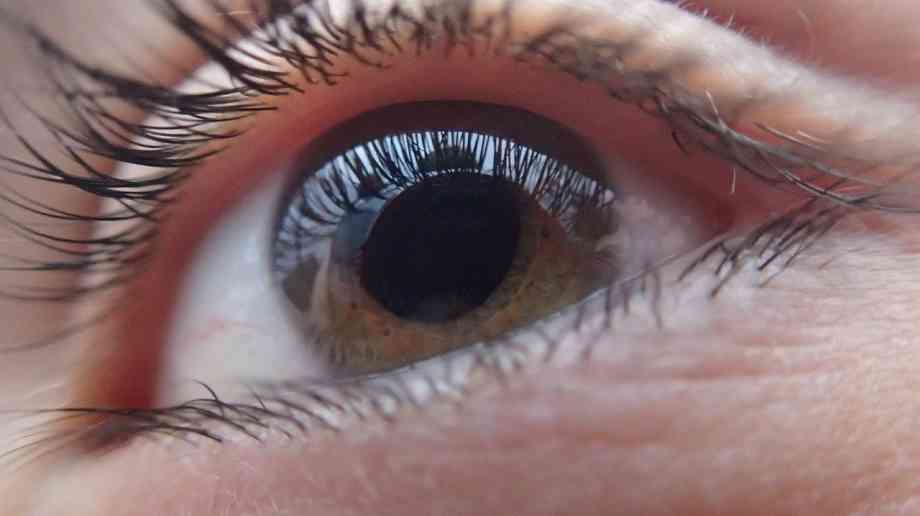
The Healthcare Safety Investigation Branch has claimed that patients are going blind because of long waits to see eye doctors, after a 34-year-old woman was left unable to ever see her baby.
The health watchdog has said it had found more than 150 patient-safety incidents involving eye conditions reported by the NHS between April 2017 and December 2018 for which problems with monitoring and follow-up appointments were blamed. Additionally, research has shown that as many as 22 glaucoma patients a month suffer severe or permanent sight loss because their follow-up appointments do not take place quickly enough.
The aforementioned 34-year-old patient was found to have seen seven different ophthalmologists about her sight after initially being referred by a high-street optician in 2016. She consequently lost her sight after 13 months of delayed appointments.
Established by former Health Secretary Jeremy Hunt to investigate systemic safety risks in the health service, the HSIB has now warned that there was inadequate capacity within hospital eye services to meet the needs of glaucoma patients.
Standards for follow-up care for glaucoma patients were published in 2009 as well as a safety report detailing incidents of harm and actions required to prevent delays. However, despite this, the HSIB stated that ‘lack of timely monitoring of patients with glaucoma has persisted as a patient safety risk’.
Keith Conradi, HSIB’s chief investigator, said: “Our patient has suffered immeasurably, living with the effects each day, including not being able to see the faces of her young children or read books to them. Despite some national recommendations being made 10 years ago, this continues to happen and will only worsen as the population ages – a 44 per cent increase in the number of people with glaucoma is predicted by the year 2035.”
Latest News

16/02/2024 - 12:56
Hammersmith and Fulham Council has created a new alliance intended to clean dirty air and improve residents' health.

16/02/2024 - 10:44
Two million more GP appointments a month are being delivered for patients compared to the same month before the pandemic as part of the NHS primary care access recovery plan according to new NHS data.

15/02/2024 - 10:26
The Welsh Government has provided innovation funding of £380,000 to support two projects utilising technology in domiciliary care.

15/02/2024 - 10:13
The new Scottish health secretary has met with frontline staff at Queen Elizabeth University Hospital in Glasgow.

14/02/2024 - 10:27
The North East London NHS Foundation Trust (NELFT) has appointed three new Executive Directors to the Trust Board.
Product Features

UK Building Regulations highlight toxic gas and smoke from layers of paint built up over multiple redecorations as a major cause of permanent ill health or death in a building fire.
Their concern rose with discovery the flame retardant paints most widely used paint along escape routes have been ones which to this day counter-productively use emission of heavy toxic gas to smother flames which rapidly spread along walls if layers of paint delaminate in a fire.
Supplier Profiles

Northwich’s Victoria Infirmary (VIN) Community Diagnostic Centre (CDC) has enabled more patients

Adveco, the commercial hot water specialist, announces the launch of live metering of domestic ho
Latest Features

Sarah Greenslade, public affairs and communications officer at the British Parking Association looks at some of the problems and innovations in healthcare parking

It’s easy to assume that the comms team is there to handle press enquiries and the occasional social media storm – but the reality is that strategic communications can make a measurable impact across the entire organisation, from operational to financial, when done properly


